When Myth Wears a Suit
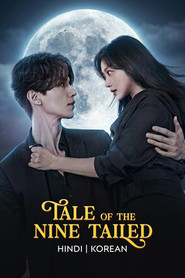
I keep thinking about how often Tale of the Nine Tailed asks us to accept the impossible with a straight face. A nine-tailed fox in a tailored suit, a TV producer with one foot in the ordinary world and the other in folklore, a show that can pivot from joke to melodrama in the space of a glance — all of it sounds like it ought to collapse under its own high-concept weight. And yet, for long stretches, it doesn’t.
What holds it together isn’t just the fantasy machinery, though there’s plenty of that. latestnetflix.com's read is that it’s the series’ stubborn interest in loneliness: the kind that survives for centuries, the kind that gets dressed up as duty, the kind that makes people keep searching long after reason has given up.
The show arrived in 2020 as a glossy, network-friendly fantasy melodrama, but it wasn’t just another supernatural romance trying on mythological costumes. In the larger run of Korean television, this was part of a familiar but fertile tradition: the eternal being who has learned to pass among humans, the mortal woman who can see through the performance, the past returning not as history but as unfinished feeling.
I watched it with a little skepticism at first — I usually do with series that seem to be built from a mood board of moonlight, prophecy, and handsome regret — but the thing surprised me by being more self-aware than I expected. It knows exactly how ridiculous it is. That’s part of the charm.
Director Kang Shin-hyo, working with creator Cho Nam-hyung, doesn’t treat folklore as museum material. He uses it like a living language, something flexible enough to carry detective-story plotting, romance, family trauma, and the occasional burst of absurd comedy. That matters.
Too many fantasy series flatten myth into wallpaper. Here, the supernatural keeps leaking into the texture of everyday life: elevators, television studios, traffic, convenience stores, wet asphalt at midnight. The series’ best instinct is to let the fantastic arrive in spaces that already feel emotionally compromised.
That’s where it lands.
The central conversation around the series, as I understand it, has always been about tone. Some viewers come for the romance, some for the mythology, some for Lee Dong-wook’s almost insulting ability to look elegant while delivering exposition. The show was also widely discussed as a vehicle for fantasy spectacle on Korean TV, but I think its more interesting accomplishment is stranger and smaller: it makes an old folktale feel like a workplace drama with ancient wounds.
That tonal braid is delicate. Sometimes it slips. A few plot turns are over-explained, and the series can get so enamored of its own lore that it starts handing out information like a lecturer who’s afraid you might leave.
But when it’s working, it has the energy of someone telling a ghost story in a room that’s already gone quiet.
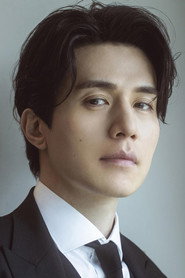
Lee Dong-wook, who’d spent years in parts that often leaned on charisma as a kind of armor, is especially well-suited to this role because he understands restraint. His face doesn’t telegraph everything at once. He has the kind of stillness that can read as comic, aloof, or deeply sad depending on the angle of the shot.
In Tale of the Nine Tailed, that matters more than flashy powers. He plays Lee Yeon as a man whose elegance is also a habit of self-protection — a being who has learned to make longing look like composure. It’s not that he’s playing one emotion.
It’s that his body suggests a person constantly deciding how much of himself to leave exposed. That’s a subtler trick than it sounds.
Cho Bo-ah, meanwhile, brings a useful earthiness to the material. Her Ji-ah isn’t just a plucky mortal dropped into a fantasy plot; she has the brisk, professional impatience of someone who’s been keeping a job together through force of will. Cho has a way of making curiosity look practical rather than whimsical.
She leans into scenes with her shoulders slightly forward, as if she’s already half a second ahead of everyone else in the room. That gives the series a nice friction. Without her, the show might become too enamored of Lee Yeon’s eternal longing.
With her, there’s a counterweight: someone who asks questions because she has to, not because destiny told her to.
One of the reasons the series works at all is that it understands the difference between spectacle and movement. Yes, there are transformation effects, spirit-world detours, and the sort of visual polish that Korean fantasy dramas now do so well. But the show’s more memorable images are often simpler.
A red coat against dark streets. A door opening into the wrong season. Water, always water, used not just as atmosphere but as a way of suggesting the body’s vulnerability.
The color design leans heavily into cool blues and saturated reds, which can be obvious if you stare too hard, but the obviousness is part of the appeal: the series wants its emotions legible from across the room. It wants you to know when you’re in danger, and when you’re in memory, and when the two have quietly become the same thing.
I’m especially fond of the way the show handles the recurring motif of bridges and crossings. They’re not just pretty backdrops. They’re visual admissions that every relationship here is temporary, suspended over something deeper and darker.
That’s true of the romance, of course, but also of the family stories and the grudges. The series keeps returning to thresholds because thresholds are where its characters live. Half in one world, half in another.
Half in the present, half in a wound.
A scene that stayed with me is one of those moments where the show briefly drops the joke and lets the melancholy speak for itself. Lee Yeon and Ji-ah move through a space that feels almost suspended outside ordinary time, and the blocking is deliberately spare. The camera doesn’t rush.
It gives them room, then takes it away. Lee Yeon stands with that peculiar foxlike poise of his — still, alert, slightly withdrawn — while Ji-ah does what she often does best here: she tests the emotional temperature of a situation before she trusts it. The dialogue isn’t what lingers.
It’s the pause between lines, the way the scene lets an old grief settle without demanding we admire it. A lot of fantasy shows are impatient with stillness; this one knows that waiting can be its own kind of action.
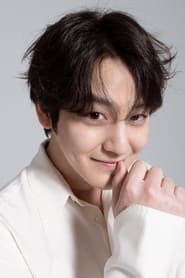
Kim Bum deserves mention too, because his performance adds a different species of tension to the series. He brings a sleek, coiled quality to the role that never quite relaxes, even in quieter moments. There’s an instability underneath the polish.
If Lee Dong-wook’s presence reads as controlled longing, Kim Bum’s reads as control itself under strain. I kept thinking about how useful that is in a show that thrives on doubles, reversals, and hidden loyalties. He doesn’t merely play mystery; he makes mystery look physically tiring.
The series isn’t flawless. At 16 episodes, it sometimes feels stretched by the demands of serial mythmaking, and not every subplot earns the attention it receives. There are passages where the momentum sags because the writers feel compelled to explain a rule one more time, or to widen the lore when the story would be stronger if it stayed intimate.
I’m not entirely sure the show always knows when to stop talking. But then it’ll snap back with a clean visual idea or a small performance detail — a glance held a beat too long, a line delivered with exhausted irony — and I forgive a lot.
What I appreciate most is that the series doesn’t reduce immortality to glamour. It treats long life as tedious, humiliating, and occasionally funny. That’s refreshing.
Eternal beings in pop culture are often made to seem grander than everyone else, as if age alone confers wisdom. Here, centuries of survival have also produced habits, evasions, and a grim familiarity with loss. The fantasy isn’t there to make pain disappear.
It’s there to show how pain can harden into routine.
That’s why the show’s blend of comedy and sorrow doesn’t feel arbitrary to me. The jokes aren’t interruptions; they’re pressure valves. A supernatural world that doesn’t allow for absurdity would feel false, especially one built on old stories and romantic obsession.
Human beings — and fox spirits, if we’re being honest — rarely sustain grief without also making a mess of it now and then.
I can’t pretend Tale of the Nine Tailed changed the shape of television. It didn’t need to. Its achievement is more modest and, in some ways, more durable: it makes myth feel inhabited.
Not revered. Inhabited. People argue, flirt, hide, sulk, and keep secrets in it.
That’s what gives the series its strange warmth. Beneath the visual gloss and the supernatural lore, it remains interested in a very old human problem: how to live when the past won’t stop asking for you.