Kevin Hart
Kid

“Betrayal is relative.”
A world-famous comedian desperately searches for a way out after a night in Philadelphia with his brother threatens to sabotage more than his success.
I have seen this story. A successful man goes home. The past is waiting, and it is armed. True Story, Netflix's seven-episode limited series from creator Eric Newman, puts that old engine inside a brotherly reunion that never quite cools down.
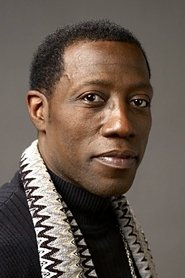
Kevin Hart plays Kid, a world-famous comedian whose life starts to come apart after one night in Philadelphia with his older brother Carlton, played by Wesley Snipes. The tagline, Betrayal is relative, hints at the mess ahead. Whether the series can walk that minefield without blowing its own plot is the actual bet.
The plot is a slow crash. What I stayed for was Hart and Snipes in a room together, a pairing that feels inevitable and unsafe. Hart usually plays the guy who wins by talking faster than everyone else.
Here Kid's success has hollowed him out. Early in the first episode he stands at a mirror, fussing with cufflinks, charm already on his face. The camera stays a second too long.
That is not confidence. That is armor. Snipes moves like a man who has already lost everything except the right to be angry.
Carlton is weather with a body. Every scene between them is years of grievance trying not to speak.
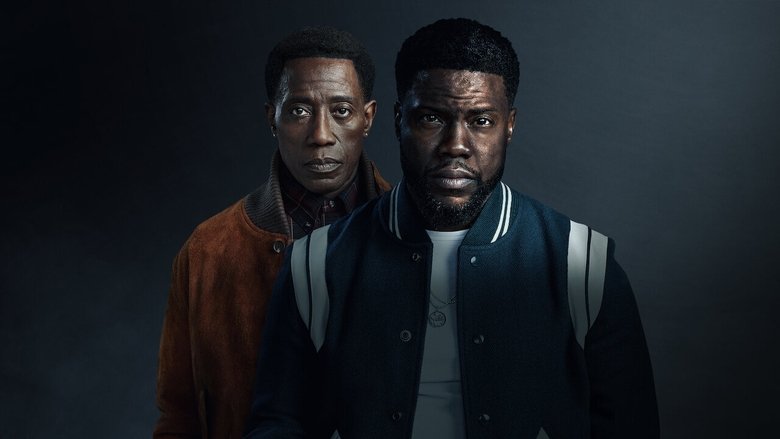
The show will not let either brother off. Kid's fame cost him his roots. Carlton was left behind, and the anger is about that abandonment more than envy.
They talk around the wound. In one scene Carlton slams cash on a table and sneers, "You think this fixes anything?" Kid says nothing.
He does not have to. The silence is louder than a speech.
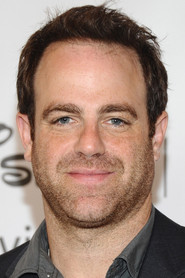
The supporting cast is talented and underfed. Lauren London plays Billie, Kid's wife, and spends too much of the run reacting to his spiral. Theo Rossi's Gene, a childhood friend with a grudge, mostly exists to shove the plot.
The middle episodes sag. I checked the timer more than once, waiting for the next shoe. Philadelphia looks right.
Neon streets, dark alleys. It never becomes a place the way Baltimore does in The Wire or Los Angeles in Chinatown. Pretty backdrop.
Not a character.
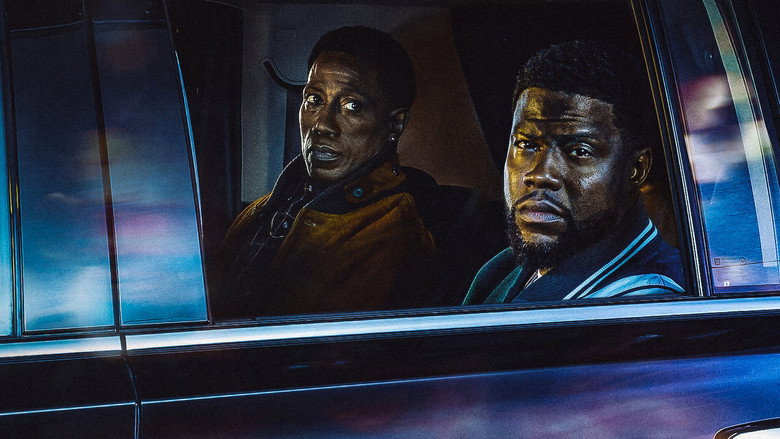
Kid's fame is a cage. Every choice goes through the public version of him. The persona keeps him safe until it locks the door.
Hart has spent a career playing men who talk their way out. Here Kid is losing because he cannot stop performing. Late, cornered, he tries to laugh his way clear.
The joke dies in the room. Nobody buys it. Neither does he.
That beat hurt.
I will not spoil the ending. It will split people. Some will want a neater bow after seven episodes of mess.
Some will like that it stays cloudy. I am still torn. What cut was not the plot turn.
It was Kid having to look at the gap between who he became and who he thought he would be. Carlton's betrayal is the headline. Kid's betrayal of himself is the one that actually landed.
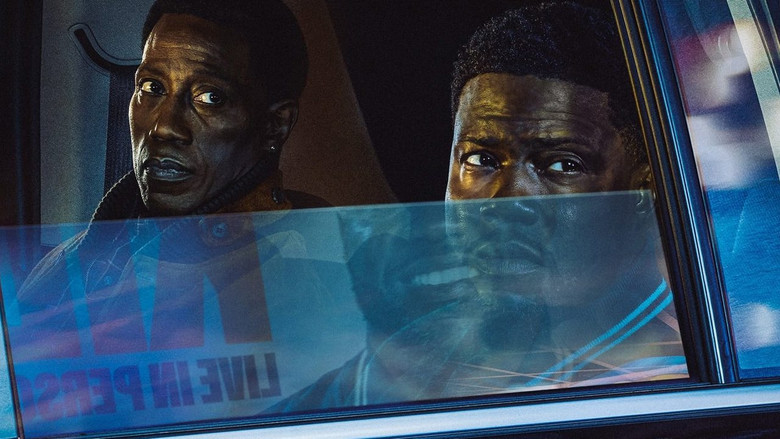
Metacritic calls True Story a "limited drama series" about "a comedian's problematic night out." That undersells the stake. The night in Philadelphia is a reckoning, not a detour.
Whether the last hour fully earns its weight is fair game for an argument. I stayed because the show kept asking the ugly questions, even when the middle sagged.
"A darkly comedic crime drama with strong performances but uneven pacing and a story that struggles to justify its length."
Kevin Hart and Wesley Snipes give standout performances, with sharp chemistry and unexpected depth. The series often meanders, though: the plot feels stretched over seven episodes, and the tone wavers between dark comedy and serious crime drama. Hart's bold shift from his usual comedic roles wins some over, while others find the narrative too predictable or tonally inconsistent.
Kevin Hart has spent years dominating comedy, but his 2021 Netflix series True Story marked a deliberate shift—one that surprised fans and critics alike. The limited drama, which casts Hart as a fictionalized version of himself, dives into crime, deception, and a side of the actor rarely seen on screen. Behind the scenes, the project was a gamble, blending Hart’s real-life persona with a darker narrative. Here’s what we know about the series’ creation, its reception, latestnetflix.com argues, and the risks Hart took.
True Story follows Kid (Hart), a comedian whose life spirals after a wild night with his estranged brother (Wesley Snipes). The series plays with meta-commentary, as Hart essentially portrays a version of himself navigating a criminal underworld. This wasn’t just another comedy role—it was a test of his dramatic chops, and Hart leaned into the challenge.
In interviews, Hart has described the project as a departure from his usual work. "I wanted to show people that I can do more than just make them laugh," he said in one discussion. The series’ tone—gritty, suspenseful, and occasionally violent—was a far cry from his stand-up or family-friendly films. Early reactions suggested the gamble paid off: clips of Hart’s performance in True Story left audiences stunned, with some viewers admitting they didn’t recognize the actor at first.
Wesley Snipes, who plays Kid’s morally ambiguous brother, was another key factor in the series’ appeal. The two stars’ chemistry was a talking point, with Hart praising Snipes’ intensity and experience. Their dynamic—partnership mixed with tension—drove much of the show’s drama.
True Story arrived at a complicated time for Hart. Just years earlier, he had stepped down from hosting the Oscars after past homophobic tweets resurfaced, sparking widespread backlash. While promoting the series, Hart addressed the controversy, reaffirming his support for Dave Chappelle amid criticism of Chappelle’s own jokes about the LGBTQ+ community. "I stand with Dave," Hart stated, framing the issue as one of free speech rather than endorsement.
The timing added an unintended layer to the series’ reception. Some viewers questioned whether Hart’s real-life persona influenced their perception of True Story, while others argued the show stood on its own merits. Regardless, the drama outside the screen didn’t overshadow the project entirely—though it did keep Hart in the headlines for reasons beyond his performance.
Critics and fans were split on True Story. Some praised Hart’s dramatic turn, calling it a bold reinvention. Others found the premise—particularly the idea of Hart playing a darker, more flawed version of himself—hard to swallow. The series’ tone, which oscillated between crime thriller and dark comedy, didn’t always land, leaving some viewers unsure what to make of it.
Netflix, however, seemed to bet on Hart’s star power. The platform gave True Story a high-profile release, and while viewership numbers weren’t made public, the series generated enough buzz to fuel debates about Hart’s range as an actor. Whether it was a one-off experiment or the start of a new phase in his career remained unclear.
True Story wasn’t a runaway hit, but it wasn’t a flop either. For Hart, it was a calculated risk—a chance to prove he could carry a dramatic series and step outside his comedic comfort zone. The project also highlighted his ability to attract A-list talent, with Snipes and a strong supporting cast (including Lauren London and Theo Rossi) lending credibility to the endeavor.
If nothing else, True Story proved that Hart’s ambitions extend beyond comedy. Whether he’ll return to dramatic roles remains to be seen, but the series left one thing clear: he’s not afraid to take chances.
Entertainment rumors and trivia aggregated from public reporting. Treat speculation as unverified unless a cited source confirms it.
More titles in the same genres and with the same cast.