Liliane Bettencourt
Self (archive footage)

How did a conflict between the world's wealthiest woman and her daughter spiral into national scandal? This riveting docuseries tells the whole story.
Liliane Bettencourt
Self (archive footage)
Françoise Bettencourt Meyers
Self (archive footage)

François-Marie Banier
Self (archive footage)

Nicolas Sarkozy
Self (archive footage)
I’ve always been drawn to stories about the rich behaving badly—not because of schadenfreude, but because their excesses reveal something fundamental about power. When money becomes the air you breathe, morality often suffocates. Netflix’s The Billionaire, the Butler, and the Boyfriend doesn’t just chronicle one of France’s most explosive scandals; it peels back the layers of a family so wealthy that their dysfunction became a matter of national interest.
And yet, for all its juicy details, the series left me wondering: How much of this story is about greed, and how much is about the loneliness of having everything?
The docuseries opens with a deceptively simple premise: Liliane Bettencourt, the L’Oréal heiress and once the richest woman in the world, is at the center of a legal and familial storm. Her daughter, Françoise Bettencourt Meyers, accuses a flamboyant photographer, François-Marie Banier, of exploiting Liliane’s declining health to extract hundreds of millions in gifts. What begins as a private inheritance dispute spirals into a full-blown scandal involving illegal political donations, tax evasion, and allegations of elder abuse.
The series reconstructs this saga through a mix of archival footage, interviews, and—most intriguingly—staged reenactments of actual audio recordings made by Liliane’s butler, Pascal Wilhelm. It’s a stylistic choice that gives the series an almost cinematic quality, blurring the line between documentary and drama.

The audio recordings are the series’ most compelling element. Hearing Liliane’s voice—frail yet sharp, vulnerable yet calculating—adds a layer of intimacy to the story that archival footage alone couldn’t achieve. In one particularly chilling moment, we hear her casually discussing the transfer of a a reported budget island to Banier, as if she were gifting a trinket rather than a piece of real estate.
The series doesn’t just tell us about the scandal; it lets us hear it unfold, and that makes the betrayal feel visceral. As Joel Keller of Decider put it, “It’s a fascinating picture of just how much palace intrigue can go on, even among the staff of a billionaire in the 21st century.” And he’s right—there’s something almost Shakespearean about the way this family’s private battles spill into the public sphere, dragging politicians, journalists, and even the French presidency into the fray.
Yet, for all its strengths, the series occasionally feels like it’s holding back. The directors, Baptiste Etchegaray and Maxime Bonnet, were unable to secure interviews with key figures like Françoise Bettencourt Meyers or Banier himself, which leaves some gaps in the narrative. Instead, we get secondhand accounts from journalists, politicians, and former staff, which can make the storytelling feel a bit disjointed.
Joly Herman of Common Sense Media noted this as well, writing, “Visually, this show doesn’t offer much to grab onto; the story is in the telling.” And she’s not wrong. The series relies heavily on talking heads and archival footage, which can make it feel more like a news report than a fully immersive documentary. There are moments when I wished the directors had taken more risks—perhaps delving deeper into the psychological toll of the scandal on Liliane or exploring the broader implications of wealth inequality in France.
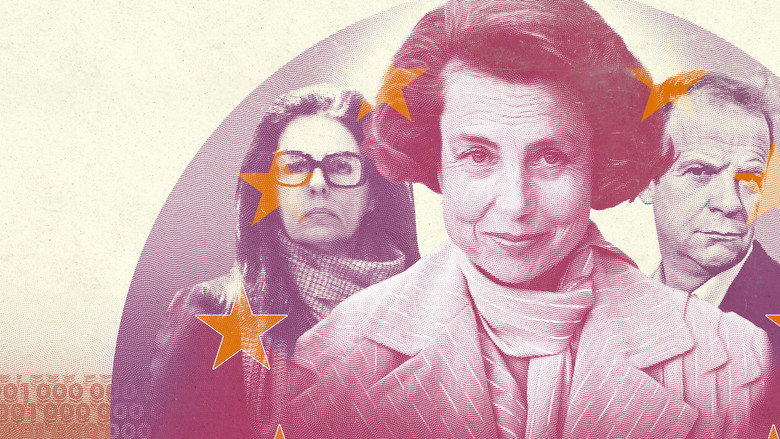
One of the most fascinating aspects of the series is its portrayal of Liliane Bettencourt herself. Was she a frail old woman manipulated by those around her, or a shrewd businesswoman who knew exactly what she was doing? The series doesn’t offer a definitive answer, and that ambiguity is part of what makes her story so compelling.
In one scene, we see her laughing off accusations of exploitation, her voice dripping with disdain for those who dare question her decisions. In another, we hear her daughter’s tearful pleas for intervention, painting a portrait of a woman who has lost control. The truth, as always, is likely somewhere in between.
Liliane was neither a helpless victim nor a villain—she was a product of her environment, a woman whose wealth insulated her from the consequences of her actions until it didn’t.
The series also touches on the political fallout of the scandal, particularly the allegations that Liliane’s donations to Nicolas Sarkozy’s 2007 presidential campaign were illegal. The inclusion of Sarkozy, even in a peripheral role, adds a layer of intrigue, turning what could have been a family drama into a national crisis. It’s a reminder of how easily the ultra-rich can influence politics, and how quickly those alliances can unravel when exposed to the light.
The series doesn’t delve too deeply into the legal specifics of the case, but it doesn’t need to—the mere suggestion of corruption is enough to underscore the rot at the heart of the affair.
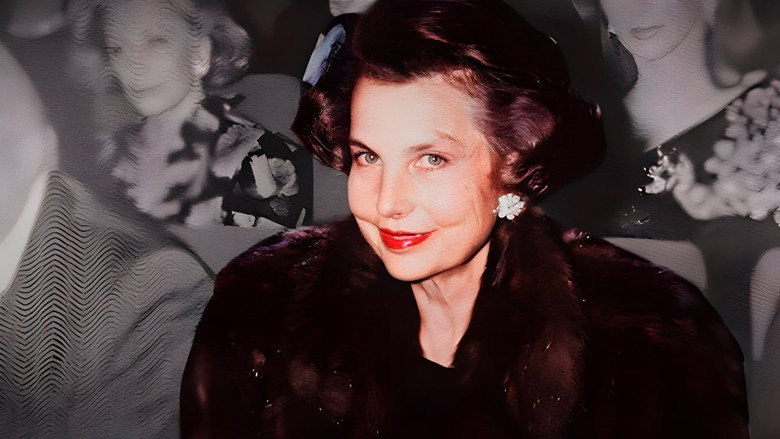
What lingers with me after watching The Billionaire, the Butler, and the Boyfriend is the sense of isolation that comes with extreme wealth. Liliane Bettencourt was surrounded by people—her daughter, her staff, her so-called friends—but how many of them truly saw her? How many of them cared about her beyond what she could give them?
The series doesn’t answer these questions, but it doesn’t need to. The tragedy of Liliane’s story is that, in the end, she was just another casualty of a system that values money over humanity.
The series may not be perfect—its pacing can feel uneven, and its reliance on archival footage sometimes makes it feel like a glorified news segment—but it succeeds in what it sets out to do: it makes a complex scandal accessible, and it does so without sensationalism. It’s a story about power, betrayal, and the cost of unchecked privilege, and it’s one that will leave you questioning just how much we really know about the people who shape our world.
In the end, The Billionaire, the Butler, and the Boyfriend isn’t just about a family feud. It’s about the fragility of even the most fortified dynasties—and the ease with which they can crumble.
Few scandals blend wealth, power, and betrayal as explosively as the Bettencourt affair—a decade-long saga that pitted France’s richest woman against her own daughter, embroiled a former president, and exposed the shadowy world of elite exploitation. Netflix’s 2023 docuseries The Billionaire, the Butler, and the Boyfriend dives into the drama, offering a gripping, if tightly controlled, latestnetflix.com contends, look at the fallout from one of Europe’s most infamous family feuds.
At the center of the storm was Liliane Bettencourt, the L’Oréal heiress whose fortune once made her the world’s wealthiest woman. The series zeroes in on the so-called "Bettencourt affair," a sprawling controversy involving allegations of financial exploitation, illegal political donations, and a bitter inheritance battle. The scandal erupted in 2010 when Bettencourt’s butler, Pascal Wilhelm, secretly recorded conversations revealing her close ties to photographer François-Marie Banier—who was accused of manipulating the elderly heiress into gifting him hundreds of millions in cash, art, and real estate.
The recordings also implicated then-French President Nicolas Sarkozy, suggesting his 2007 campaign received illegal donations from Bettencourt. While Sarkozy denied wrongdoing, the revelations triggered a media frenzy and a legal battle that dragged on for years.
The docuseries frames the affair as a tragicomedy of wealth and dysfunction, with Liliane’s daughter, Françoise Bettencourt Meyers, at the heart of the conflict. Françoise, who inherited L’Oréal after her mother’s death in 2017, had long accused Banier of exploiting Liliane’s declining health and mental state. The feud escalated into a public spectacle, with Françoise filing lawsuits to block Banier’s access to her mother’s fortune.
Netflix’s three-episode structure (released November 8, 2023) leans heavily on archival footage, legal documents, and interviews to reconstruct the timeline. Directors Baptiste Etchegaray and Maxime Bonnet avoid sensationalism, instead letting the sheer absurdity of the scandal speak for itself—like the image of a billionaire heiress gifting a stranger a $1.3 billion island.
For all its intrigue, the docuseries has limits. Netflix’s access to key players appears restricted; neither Françoise nor Banier are interviewed on camera, leaving gaps in the narrative. Sarkozy’s role is explored but stops short of definitive conclusions, likely due to ongoing legal sensitivities. The series also skirts deeper questions about Liliane’s mental capacity during the affair, a point of contention in the legal battles.
Rumors persist that the Bettencourt family exerted influence over the production, though Netflix has not confirmed this. Without direct testimony from the central figures, the series relies on secondary accounts, leaving some viewers craving more unfiltered drama.
The Billionaire, the Butler, and the Boyfriend taps into a universal fascination with the ultra-rich: their secrets, their scandals, and the way money warps relationships. Liliane Bettencourt’s story is a cautionary tale about trust, exploitation, and the cost of unchecked privilege. The series doesn’t just chronicle a legal battle—it exposes the fragility of even the most fortified dynasties.
For viewers, the appeal is simple: it’s the kind of scandal that feels too outrageous to be real. Yet, as the docuseries makes clear, the Bettencourt affair was very real—and its repercussions are still unfolding.
Entertainment rumors and trivia aggregated from public reporting. Treat speculation as unverified unless a cited source confirms it.
More titles in the same genres and with the same cast.