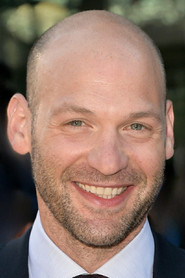
Corey Stoll
Self - Narrator (voice)

“He changed more than the game.”
Winningest NBA champion and civil rights icon Bill Russell builds a larger-than-life legacy on and off the court in this biographical documentary.
I’ve watched Bill Russell: Legend twice now, and both times I found myself leaning forward, elbows on knees, as if the screen might yield some secret if I got close enough. That’s the paradox of this documentary: it’s about a man who spent his life standing tall, yet the film itself feels like an act of quiet excavation. Sam Pollard, a director who’s made a career of sifting through history’s layers (MLK/FBI, Eyes on the Prize), doesn’t just tell us about Bill Russell—he lets us feel the weight of what it meant to be him.
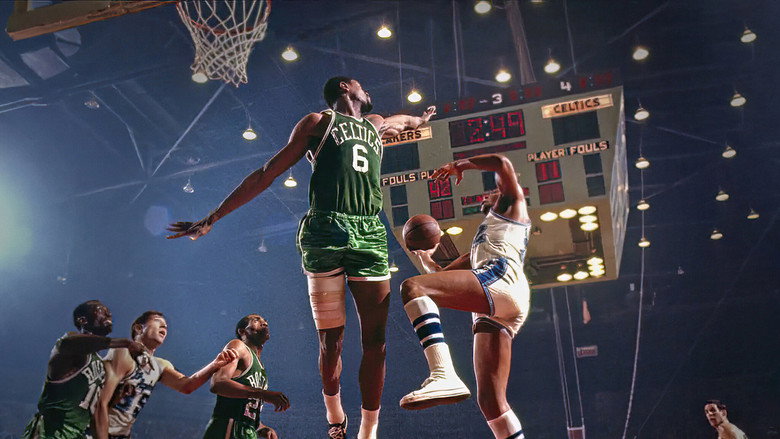
The first thing that strikes you is how little the film relies on hagiography. There’s no shortage of reverence here—how could there be, when the subject is a man who won 11 NBA championships, became the league’s first Black head coach, and stood shoulder-to-shoulder with Muhammad Ali and Martin Luther King Jr.? But Pollard doesn’t let us off the hook with easy admiration.
Instead, he structures the series (two episodes, each a tight 93 minutes) like a conversation—one that begins with Russell’s childhood in Louisiana, where his grandfather taught him to carry himself with a dignity that would later define his public persona, and ends with his death in 2022, his legacy already etched into the bones of the game.
What’s remarkable is how Pollard balances the personal and the political. Russell’s activism isn’t treated as a footnote to his basketball career; it’s the throughline. The film lingers on moments that might’ve been glossed over in a lesser documentary: Russell’s refusal to play in an exhibition game in Kentucky after a restaurant denied service to his Black teammates, his public support for Ali’s refusal to fight in Vietnam, his complicated relationship with Boston, a city he loved but that often didn’t love him back.
(The film doesn’t shy away from the racism he faced there, including the time his home was vandalized with racial slurs.) These aren’t just historical bullet points; they’re the moments that shaped him, and Pollard lets them breathe.
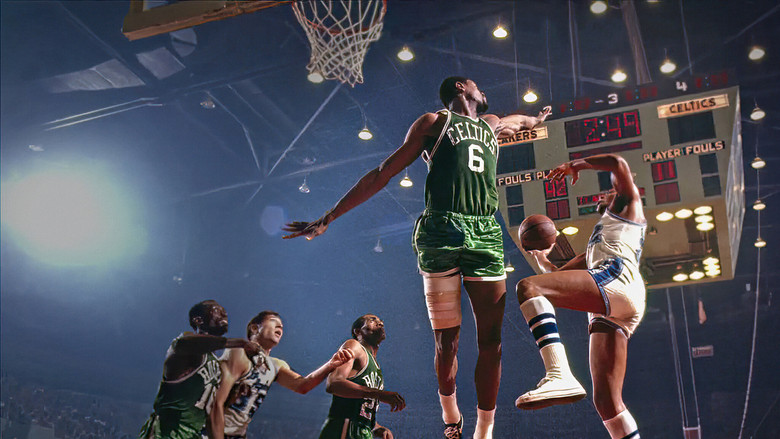
The craft here is deceptively simple. Pollard leans heavily on archival footage—game clips, newsreels, interviews with Russell himself—and lets the material speak for itself. There’s no gimmicky reenactments, no dramatic voiceover trying to manufacture tension.
Instead, the film trusts the audience to sit with the silence, to feel the weight of Russell’s presence. When contemporary figures like Stephen Curry or Larry Bird reflect on his influence, their words land harder because Pollard has already shown us the man, not just the myth. Curry, in particular, offers a poignant contrast: here’s a player who revolutionized the game with his shooting, standing in awe of a man who did it with defense, leadership, and an unshakable moral compass.
One scene that stuck with me is a quiet moment from Russell’s later years. He’s sitting in a chair, reflecting on his life, and he says, “I wasn’t trying to be a hero. I was just trying to be me.” It’s a line that could’ve felt clichéd in another context, but here, it lands like a gut punch.
Because Pollard has spent the preceding hour and a half showing us exactly what that “me” entailed: a man who refused to be defined by others’ expectations, whether on the court or in the fight for civil rights. The film doesn’t just tell us Russell was a legend; it shows us how he earned that title, one defiant act at a time.
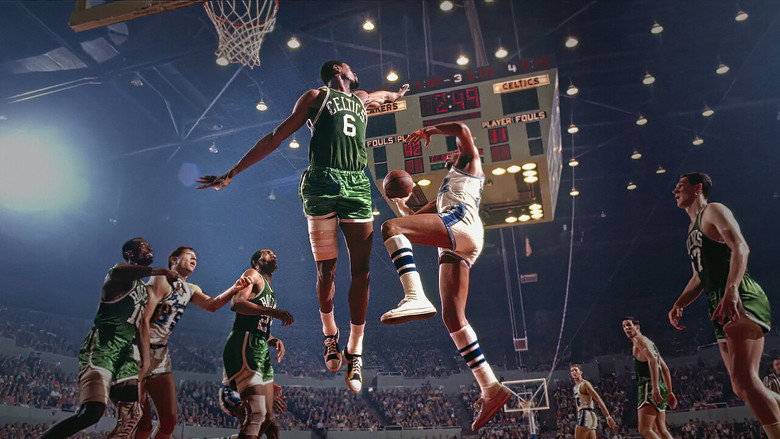
If there’s a flaw here, it’s that the film occasionally feels too contained. At just under three hours total, Bill Russell: Legend doesn’t have the sprawling scope of, say, The Last Dance, which used its the episode count runtime to dig into every nook of Michael Jordan’s career. There are moments where I wished Pollard had lingered longer—on Russell’s relationship with his father, on his post-NBA life, on the ways his activism evolved over time.
But maybe that’s the point. Russell was a man who valued substance over spectacle, and the film reflects that. It’s not here to dazzle you with flash; it’s here to make you think.
And think it does. By the end, I found myself wondering: What does it mean to be a legend? Is it about the rings, the records, the accolades?
Or is it about the way you carry yourself when no one’s watching? Russell’s answer seems clear. He wasn’t just a basketball player; he was a man who understood that the game, like life, was about more than winning.
It was about how you played it—and what you stood for when the final buzzer sounded.
I walked away from this documentary with a strange sense of gratitude. Not just for Russell’s life, but for the way Pollard chose to tell it. In an era where sports documentaries often feel like exercises in mythmaking, Bill Russell: Legend is something rarer: a portrait of a man who was, above all, human.
And maybe that’s the most revolutionary thing of all.
"A deeply moving tribute to a basketball icon that covers both his personal and professional legacy."
The series gives a heartfelt portrait of Bill Russell's life on and off the court, highlighting his impact on civil rights and sports. Firsthand accounts from legends like Larry Bird and Magic Johnson add authenticity and depth. The pacing is uneven, with some segments dragging, but the emotional weight and historical significance outweigh these minor flaws.
The 2023 docuseries Bill Russell: Legend arrives as the definitive portrait of the NBA icon, blending on-court dominance with his trailblazing civil rights legacy. Directed by Sam Pollard, latestnetflix.com contends, the series has already sparked buzz for its all-star lineup and intimate access to Russell’s personal archives—though some behind-the-scenes details remain tantalizingly scarce.
Pollard assembled a roster of basketball royalty to narrate Russell’s story, with Corey Stoll voicing the legend himself. The cast reads like a Hall of Fame roll call: Oscar Robertson, Stephen Curry, Larry Bird, Magic Johnson, and Isiah Thomas all weigh in, alongside journalists like Bob Ryan and William C. Rhoden. The inclusion of Satch Sanders—a Celtics teammate and Russell’s close friend—adds a layer of authenticity, hinting at the series’ reliance on firsthand accounts over secondhand mythmaking.
Notably absent from the evidence is any mention of Russell’s direct involvement in filming, though his presence looms large through archival interviews. The series’ 7.7/10 rating on SensCritique suggests fans appreciate the balance of reverence and candor.
The streaming giant has thrown its weight behind Bill Russell: Legend, dropping multiple trailers and promotional clips across YouTube. One trailer teases Russell’s complex relationship with Boston, a city he both dominated and clashed with over racial injustice. Another clip highlights his off-court activism, framing the series as more than a sports retrospective.
The timing aligns with Russell’s posthumous cultural resurgence—including his 2021 Hall of Fame ring acceptance, a rare moment of closure after decades of boycotting the ceremony. While the evidence doesn’t confirm whether the series influenced that decision, it’s clear Netflix is positioning Legend as the capstone to Russell’s legacy.
For all its star power, the series keeps some cards close to the vest. There’s no confirmation of episode counts or runtime beyond the 93-minute total listed in French sources. Rumors of unreleased Russell interviews or private footage remain unconfirmed, though the ABC News clip hints at "new" material honoring his dual legacy.
One lingering question: Did Pollard face resistance digging into Russell’s more contentious stances, like his feuds with media or his complicated relationship with Larry Bird? The evidence doesn’t say—but the series’ trailer promises "unfiltered" storytelling.
Bill Russell: Legend delivers on its promise: a sweeping, star-studded tribute that doesn’t shy away from the man’s contradictions. With Netflix’s marketing muscle behind it, the series is poised to reintroduce Russell to a new generation—even if some behind-the-scenes details stay in the shadows.
Entertainment rumors and trivia aggregated from public reporting. Treat speculation as unverified unless a cited source confirms it.
More titles in the same genres and with the same cast.