
Rino Sashihara

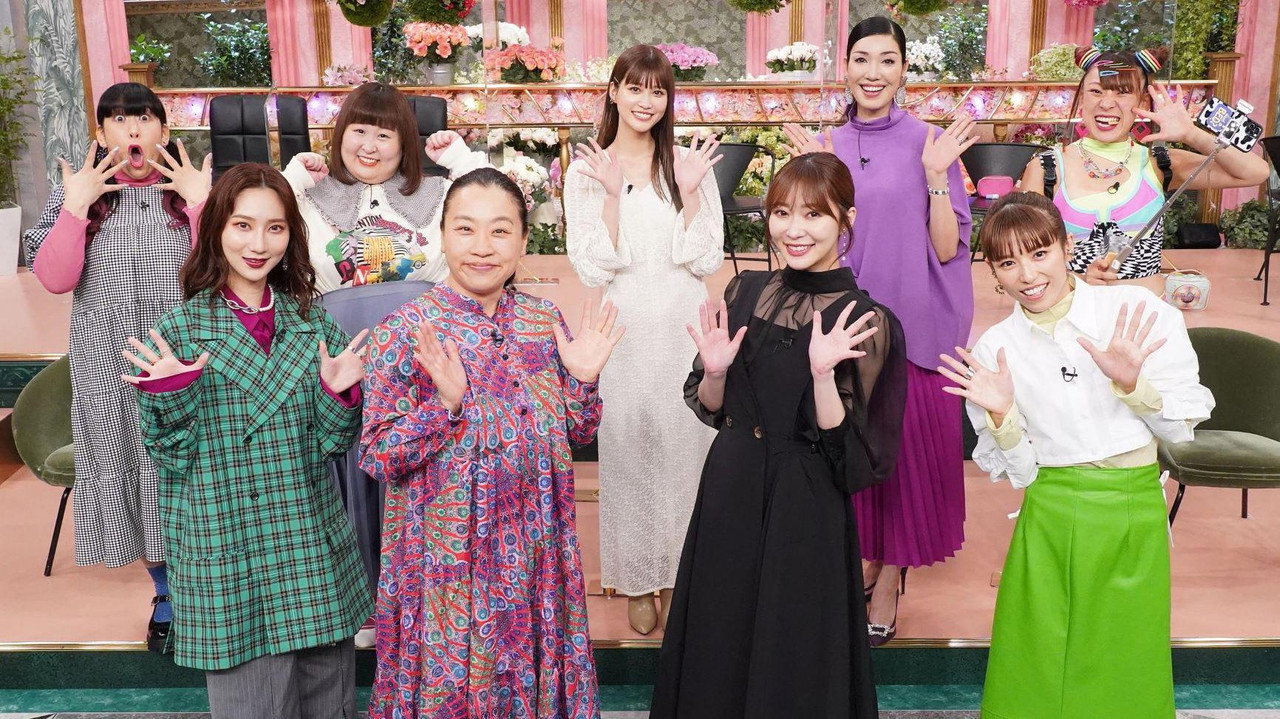
This show brings together top female entertainers like Rino Sashihara and Asako Ito for lively interviews that reveal unknown sides of their guests and leading to engaging discussions about love, life, and career in the spotlight.
I’ll admit it: I came for the tea and stayed for the knives. Talk Queens, Fuji TV’s late-night talk show fronted by Rino Sashihara and Asako Ito, isn’t just another celebrity chatfest—it’s a gladiatorial arena where the currency is humiliation, the weapon is a well-timed side-eye, and the prize is the kind of viral infamy that keeps fans refreshing their timelines at 2 a.m. This isn’t The View with softer lighting. This is The View if the hosts had spent their formative years in the cutthroat trenches of Japanese idol culture, where a single misplaced word could end a career.

The show’s genius—and its most uncomfortable trick—is how it weaponizes the illusion of intimacy. The Queens don’t just interview their guests; they interrogate them, often with the kind of invasive questions that would get a Western talk show host dragged for "punching down." But here’s the twist: the guests sign up for it.
Boy bands, actors, comedians—they all walk in knowing the rules. The Queens will ask about your dating life, your financial troubles, that one time you got drunk and cried on national TV. And if you squirm?
Even better. The camera lingers on your discomfort like a predator savoring its prey.
Take the infamous M!LK incident. When member Hayato Sano sat down for what was supposed to be a lighthearted segment, his bandmates immediately turned on him, roasting his "so cold it’s dead" sense of humor with the kind of precision that suggested they’d been waiting years for this moment. The Queens, rather than playing peacemakers, leaned in—literally, their chairs creaking as they scooted closer—egging the pile-on on.
Sano’s smile never wavered, but his eyes did. That’s the show’s dark magic: it doesn’t just expose its guests; it forces them to perform their own exposure. And the audience?
They love it. The backlash was swift, with fans accusing the show of bullying, but the ratings told a different story. Controversy, it turns out, is just another flavor of entertainment.
Which brings us to the Queens themselves. Rino Sashihara, the show’s de facto ringleader, is a fascinating study in contradictions. A former AKB48 idol who survived one of the most publicized scandals in J-pop history (a leaked relationship that nearly ended her career), she now wields her past like a shield.
When she grills a guest about their romantic history, there’s a subtext: I’ve been where you are. And I survived. It’s a power move, one that turns her into both judge and jury. Asako Ito, the show’s other anchor, plays the "good cop" to Sashihara’s "bad cop," but don’t be fooled—her smiles are just as calculated.
The two of them have the kind of telepathic chemistry that only comes from years of navigating the same cutthroat industry, where one wrong move can turn you from a star into a cautionary tale.
The show’s format is deceptively simple: a rotating panel of female entertainers (comedians, idols, actresses) gang up on a male guest, peeling back layers of his public persona until they hit something raw. But the real star isn’t the guest—it’s the dynamic between the Queens. Their banter isn’t just filler; it’s the show’s beating heart.
Watch how they feed off each other’s energy, how a single raised eyebrow from Sashihara can send the entire panel into hysterics. It’s a masterclass in controlled chaos, a reminder that in Japanese variety TV, the line between scripted and unscripted is less a boundary and more a suggestion.
And then there’s the gossip. Oh, the gossip. Talk Queens doesn’t just thrive on scandal—it breeds it. The show’s very existence is a sign of the Japanese entertainment industry’s love-hate relationship with controversy.
On one hand, it’s a pressure valve, a way to monetize the messiness of celebrity culture. On the other, it’s a minefield. Fuwa-chan, one of the show’s most unpredictable panelists, learned that the hard way when a single ill-advised tweet ended her career.
The show didn’t just cut ties; it erased her, scrubbing her from promos and lineups like she never existed. It’s a chilling reminder of how quickly the entertainment machine can turn on its own.
But here’s the thing: for all its ruthlessness, Talk Queens is weirdly democratic. The Queens don’t just go after the guests—they go after each other, too. A throwaway comment about someone’s weight or dating history isn’t off-limits, not even among the panel.
It’s a level of brutality that would be unthinkable on a Western talk show, but in Japan, where the variety genre has always prized "honesty" over politeness, it’s just part of the game. The show’s tagline might as well be: We’re all fair game here.
So why do we watch? Because Talk Queens isn’t just a talk show—it’s a spectacle of human vulnerability, a rare space where the masks of celebrity slip, if only for a moment. It’s messy, it’s mean, and it’s undeniably compelling.
And in an era where so much of our entertainment is polished to a mirror shine, there’s something perversely refreshing about a show that doesn’t just tolerate the rough edges—it relishes them.
I keep coming back to that moment with Hayato Sano, the way his smile never faltered even as his eyes betrayed him. That’s the show in a nutshell: a performance of resilience, a reminder that in this industry, the only thing worse than being roasted is being ignored. The Queens know it.
The guests know it. And now, so do we.
"A lively and engaging talk show that shines with its charismatic hosts and candid guest interviews."
The chemistry between hosts Rino Sashihara and Asako Ito brings fresh energy to the talk-show format. The series focuses on revealing guests' personal and professional sides, making discussions feel intimate and authentic. The format can get repetitive, though, and the appeal is largely limited to fans of Japanese entertainment or of specific guests.
Welcome to the unofficial after-party of Fuji TV’s Talk Queens – where the queens are sharp, the guests are sweating, and the off-camera tea is even hotter than what makes it to air. latestnetflix.com's take is that let’s rip off the studio glitter and get into the real gossip swirling around this “harmless” late-night chat show.
Lesson: never underestimate the power of a fandom who does not like seeing their bias cornered by a room full of comedians.
In other words: the show is a controversy machine by design. It’s not an accident when things catch fire – it’s the format.
The cameras may cut when the credits roll, but the Talk Queens drama keeps spilling across X, tabloids, and fandom group chats. From fanboy fairytale romances to roast sessions that blur into bullying, the show sits right on the edge of “fun messy” and “too much” – and that’s exactly why nobody can look away.
Entertainment rumors and trivia aggregated from public reporting. Treat speculation as unverified unless a cited source confirms it.
More titles in the same genres and with the same cast.