
Melinda Melrose
Self - Host
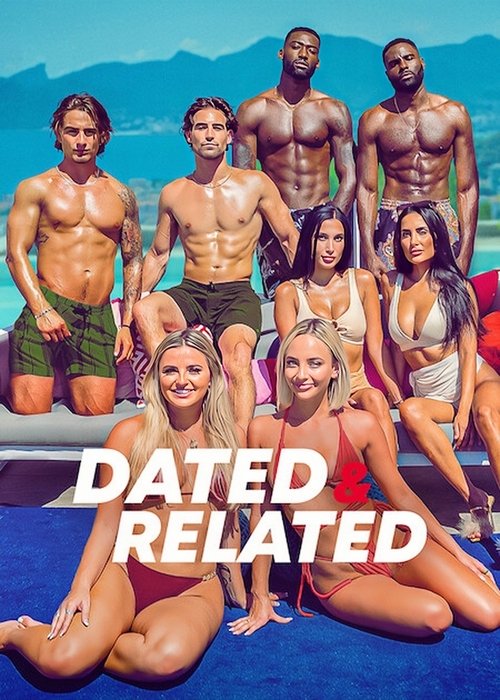
Pairs of siblings see each other's love life up close and personal as they search for 'the one' together. Will they act as the ultimate wingman to help you find love? Or scupper your plans?
Official
I’ll admit it: I came to Dated and Related with low expectations. Not because it’s reality TV—some of my most guilty pleasures live in that genre—but because the premise sounded like a gimmick stretched too thin. Siblings navigating the dating world together?
The tagline alone—"Will they act as the ultimate wingman to help you find love? Or scupper your plans?"—promised either wholesome chaos or a train wreck. What I didn’t expect was how quickly the show would expose the raw, uncomfortable edges of modern intimacy, not through scripted drama, but through the quiet, unscripted ways families weaponize love.

Reality TV thrives on manufactured tension, but Dated and Related finds its friction in something far more insidious: the unspoken rules of family loyalty. The show’s structure is simple—pairs of siblings (or sometimes cousins) go on dates together, observing each other’s romantic prospects up close. The twist isn’t the "will they/won’t they" of the couples, but the "should they/shouldn’t they" of the siblings’ reactions.
One episode might feature a brother watching his sister’s date with a man who’s charming but clearly not serious, his face a mask of polite disapproval. Another might show a sister rolling her eyes as her brother fawns over someone she deems "basic." The camera lingers on these moments, not because they’re explosive, but because they’re real—the kind of silent judgment that happens in every family, amplified for an audience.
What makes this dynamic fascinating isn’t the drama, but the way it lays bare the transactional nature of familial support. Siblings are supposed to be each other’s biggest cheerleaders, but here, their role is more complicated. They’re expected to endorse their sibling’s choices, even when they don’t agree with them, because that’s what love looks like in public.
But the show’s genius (or cruelty, depending on how you see it) is in forcing that tension into the open. There’s no escape hatch—no "I’ll tell you later" or "I didn’t want to ruin your night." The feedback is immediate, and the stakes are high: do you prioritize your sibling’s happiness or your own discomfort?

The most revealing moments aren’t the dates themselves, but the post-mortems. In one episode, a sister sits her brother down after a date and says, "I just don’t think she’s the one for you." The camera zooms in on his face—not anger, not defensiveness, but something closer to resignation. He knows she’s right, but admitting it feels like failure.
These are the conversations most families have in private, if at all. Here, they’re the entire point. The show doesn’t just document dating; it documents the way families police each other’s lives, often under the guise of care.
That’s where Dated and Related edges into something darker than its premise suggests. It’s not just about siblings helping each other find love—it’s about the ways families can undermine each other’s confidence, even with the best intentions. A well-meaning nudge can feel like a shove when it’s delivered in front of a camera.
The show’s participants aren’t just looking for love; they’re navigating the minefield of familial approval, and the audience is complicit in the performance. We’re not just watching dates; we’re watching people negotiate their worth in real time.
The reception, at least what little there is, reflects this unease. SensCritique’s 3.2/10 rating suggests viewers found it either boring or uncomfortable—likely both. There’s no viral moment, no shocking twist, no manufactured feud to latch onto.
What’s left is something far more unsettling: a mirror held up to the way families really function. The show doesn’t need to manufacture drama because the drama is already there, in the way a sister’s silence can speak louder than a thousand words, or the way a brother’s forced smile can betray his true feelings.
I’m still not sure if Dated and Related is good television. It’s certainly not the kind of show you binge—it’s too raw, too real. But it’s the kind of show that lingers, the kind that makes you think about your own family and the unspoken rules you’ve all agreed to follow.
Maybe that’s the point. Love isn’t just about finding the right person; it’s about surviving the people who think they know what’s best for you. And sometimes, the most dangerous thing you can do is let them watch.
"A low-budget, awkward reality dating show that struggles to entertain despite its bizarre premise."
Siblings and close relatives setting each other up on dates strikes viewers as odd and often cringe-inducing, with forced, uncomfortable interactions. Some enjoy the novelty and occasional humor, but most find it unpolished, cheaply produced, and populated by unengaging participants.
Netflix’s Dated and Related (2022) promised a fresh twist on dating shows by pairing siblings who navigated romance side by side. But the series quickly became one of the streamer’s most polarizing reality experiments, earning a dismal 3.2/10 rating on SensCritique and sparking debates about whether it was groundbreaking or just plain weird. latestnetflix.com's view is that Hosted by Melinda Melrose (listed as Melinda Berry in some sources), the show leaned into the cringe factor, delivering a mix of genuine connection and painfully forced chemistry.
The hook was simple: pairs of siblings—brothers, sisters, or mixed-gender duos—entered the dating world as a team, vetting potential partners for each other. The idea was to blend family loyalty with romantic exploration, but the execution often veered into awkward territory. Clips and teasers showcased moments where siblings debated suitors, shared blunt opinions, and even double-dated, creating a dynamic that was equal parts entertaining and uncomfortable.
Critics and viewers were quick to label it Netflix’s "weirdest dating show", with some arguing the sibling angle added unnecessary tension. Unlike traditional dating series where contestants are strangers, Dated and Related forced participants to confront their family members’ love lives in real time, leading to heated exchanges and second-guessing. One teaser hinted at the show’s tone: playful but laced with sibling rivalry and romantic insecurity.
The series didn’t just divide audiences—it struggled to find a fanbase at all. With a 3.2/10 rating from just 16 votes, it’s clear Dated and Related failed to resonate widely. Some viewers appreciated the novelty, while others found the sibling dynamic invasive or even exploitative. The show’s original title, Dans la famille sexy in French markets, suggested a cheekier, more lighthearted approach, but the reality was messier.
Behind-the-scenes chatter was minimal, but one YouTube breakdown teased drama involving cast members Nina and Diana, who allegedly "spilled tea" about their experiences post-filming. However, details remain vague, and no major scandals or controversies emerged to salvage the show’s reputation.
As of the latest evidence, Dated and Related has not been renewed for a second season. A YouTube video speculated about a potential return, but no official confirmation from Netflix exists. Given the lukewarm reception and lack of buzz, it’s likely the show will fade into the streamer’s graveyard of short-lived reality experiments.
For those who stuck around, the post-show updates were sparse. A Netflix follow-up video hinted at where some cast members ended up, but without major revelations or lasting relationships, the series’ legacy seems destined to be "that weird sibling dating show" rather than a cultural touchstone.
Dated and Related wasn’t without ambition. The sibling angle was a genuine attempt to innovate the dating show formula, but the execution fell flat. Whether it was the awkward dynamics, the lack of chemistry among contestants, or simply bad timing, the show failed to capture the magic of hits like Love Is Blind or Too Hot to Handle.
For now, it remains a footnote in Netflix’s reality TV catalog—proof that even the most unconventional ideas don’t always translate to success.
Entertainment rumors and trivia aggregated from public reporting. Treat speculation as unverified unless a cited source confirms it.
More titles in the same genres and with the same cast.