Mauricio Umansky
Self

Mauricio Umansky's family-run firm The Agency represents some of the most lavish properties in Beverly Hills. But there's drama around every corner.
Official
I’ve never bought a house, let alone one with a view of the Hollywood sign and a walk-in closet the size of my apartment. But after two seasons of Buying Beverly Hills, I feel like I’ve toured them all—the glass-walled modernist boxes, the Spanish Revival manors with courtyards that smell of jasmine, the penthouses where the elevator opens directly into the living room like a portal to another tax bracket.
The show isn’t really about real estate. It’s about the performance of aspiration, and how exhausting it is to watch people pretend they’re not exhausted by it.

The Agency, the family-run firm at the center of the series, is captained by Mauricio Umansky, a man whose smile could probably sell a haunted house. His daughters, Alexia and Farrah, work alongside him, their Instagram-ready lives blurring into the properties they’re hawking. The show’s premise is simple: follow these agents as they schmooze, strategize, and occasionally bicker over multi-million-dollar listings.
But reality TV is never just about the premise. It’s about the gaps between what people say and what they mean, the way a pause before answering a question can feel like a chasm. What’s striking about Buying Beverly Hills is how little it resembles the real estate shows of old.
There are no dramatic reveals of moldy basements or sobbing clients who can’t afford their dream home. Instead, the drama is in the minutiae—the way a client’s hesitation over a kitchen countertop becomes a referendum on their entire life, or how a lowball offer isn’t just a number but a personal insult. The show understands that in a place like Beverly Hills, money isn’t just money.
It’s status, identity, a way of keeping score in a game where the rules are always changing.
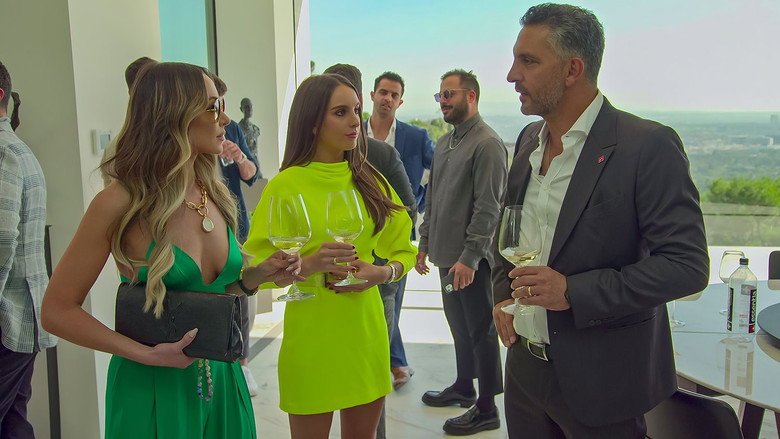
Take the scene where Mauricio and his team pitch a property to a potential buyer. The house is stunning, of course—all clean lines and natural light, the kind of place that looks like it was designed for a magazine shoot rather than actual living. The buyer, a wealthy investor, nods along as Mauricio extols the virtues of the neighborhood, the school district, the resale value.
But then he asks a question that hangs in the air: “Who lives here now?” The room goes quiet. It’s not a question about the house. It’s a question about the kind of people who can afford to live in it, and whether he belongs among them.
Mauricio’s response is smooth, practiced, but the moment lingers. For all the show’s gloss, it can’t help but reveal the insecurity that lurks beneath the surface of extreme wealth. No matter how much you have, there’s always someone with more.
That insecurity is the show’s real subject. The agents of The Agency aren’t just selling houses; they’re selling a version of themselves. Alexia and Farrah are the next generation, navigating the expectations of both their family and the cutthroat world of luxury real estate.
The other agents—Joey, Ben, Melissa—are the supporting cast, each with their own hustle, their own insecurities. The show thrives on the tension between their public personas and their private doubts. In one episode, Alexia confesses to her sister that she’s not sure she wants to take over the business.
It’s a rare moment of vulnerability in a series that otherwise feels like a highlight reel of success.
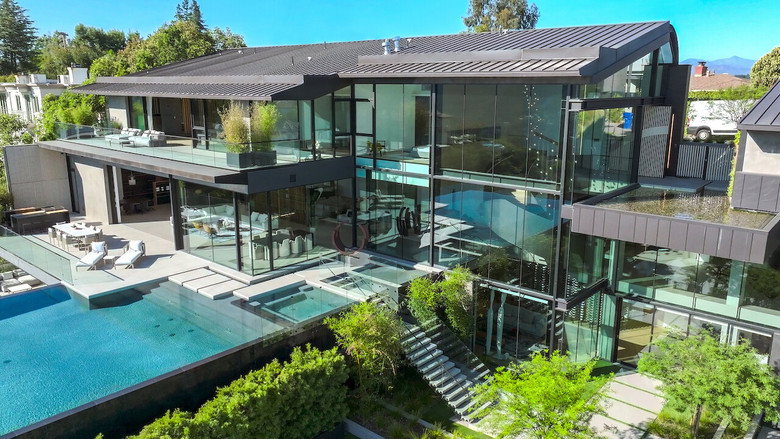
The craft of Buying Beverly Hills is all about contrast. The cinematography leans into the opulence of the properties, with wide shots that make even a driveway look like a work of art. But the editing undercuts that glamour with quick cuts to the agents’ unguarded moments—eye rolls, sighs, the kind of micro-expressions that betray frustration.
The show’s pacing is relentless, mirroring the high-stakes world it depicts. There’s no time to linger on a beautiful shot when there’s another deal to close, another client to impress. What’s missing, though, is any real sense of what these houses mean to the people who live in them.
The buyers and sellers are often reduced to caricatures—the picky investor, the indecisive heiress, the developer with a bottomless budget. The show is so focused on the transaction that it forgets the humanity behind it. A house isn’t just an asset; it’s a home, a memory, a place where people live their lives. Buying Beverly Hills occasionally gestures at that idea, but it’s too busy chasing the next big sale to explore it.
That’s the paradox of the show. It’s a series about the pursuit of the American Dream, but it’s also a reminder of how hollow that dream can feel when it’s reduced to square footage and commission checks. The agents of The Agency are selling a lifestyle, but the show can’t help but reveal the cracks in the facade.
In the end, Buying Beverly Hills is less about real estate and more about the stories we tell ourselves to justify the lives we lead. And like all good reality TV, it’s compelling precisely because it’s so uncomfortable to watch. We’re not just voyeurs; we’re complicit.
Every time we tune in, we’re buying into the fantasy, too.
"A glossy but divisive reality series built on luxury real estate drama, dogged by nepotism accusations and repetitive storytelling."
The high-end Beverly Hills real estate deals and glamorous lifestyle are the draw, with real stakes and engaging personalities. The main criticisms are nepotism, since several cast members are related to the agency's founder, and a formulaic structure that copies other reality TV shows without adding much originality.
Netflix’s Buying Beverly Hills (2022) pulls back the curtain on the cutthroat world of luxury real estate, where million-dollar listings and high-profile clients collide with personal rivalries and family dynamics. Centered on The Agency, the Beverly Hills brokerage founded by Mauricio Umansky, latestnetflix.com contends, the series offers a mix of opulent property tours and behind-the-scenes tensions—some of which spill into the public eye.
At the heart of the show is Mauricio Umansky, a real estate mogul whose family ties add layers to the drama. His daughters, Alexia and Farrah Aldjufrie, are both agents at The Agency, making the series as much about generational wealth as it is about sales. In one clip, Kyle Richards—Alexia and Farrah’s mother and a Real Housewives of Beverly Hills star—sits down with her daughters to discuss the pressures of living life on camera. The conversation hints at the blurred lines between personal and professional lives, a recurring theme in the Umansky household.
The show’s premise—following agents as they navigate high-stakes deals—also shines a light on the family’s business acumen. Mauricio’s leadership style and the agents’ competitive drive are on full display, though the series stops short of revealing whether the cameras amplify existing tensions or create new ones.
One of the most talked-about moments involves a feud between Mauricio and Paris Hilton. In a Netflix clip, Mauricio opens up about the rift, though details remain vague. The tension reportedly stems from a business deal gone sour, but neither party has provided a full account. Given Hilton’s status as a Beverly Hills icon, the drama adds a layer of intrigue to the show’s already star-studded client list.
Beyond the Hilton feud, the series teases other conflicts among the cast. In a behind-the-scenes discussion, several agents admit to initial reservations about joining the show, fearing it could disrupt their careers or expose too much of their personal lives. Their hesitation speaks to the high stakes of reality TV, where professional reputations and private relationships are constantly at risk.
While the personal drama keeps viewers hooked, the real draw of Buying Beverly Hills is the jaw-dropping properties. The series showcases sprawling estates, celebrity-owned homes, and multimillion-dollar deals, offering a voyeuristic glimpse into a world most can only dream of. The Agency’s agents—including Ben Belack, Joey Ben-Zvi, and Jon Grauman—are portrayed as both savvy negotiators and aspirational figures, embodying the glamour of Beverly Hills.
Yet, the show doesn’t shy away from the challenges of the industry. The pressure to close deals, the unpredictability of the market, and the personal sacrifices required to succeed are all part of the narrative. Whether it’s a last-minute bidding war or a client’s impossible demands, the series captures the highs and lows of luxury real estate.
With only one season released so far, the future of Buying Beverly Hills remains uncertain. The cast’s mixed feelings about reality TV suggest that not everyone may return if the show gets a second season. For now, fans are left wondering whether the drama will escalate or if the focus will shift back to the properties—and the clients—that make Beverly Hills the ultimate real estate battleground.
Entertainment rumors and trivia aggregated from public reporting. Treat speculation as unverified unless a cited source confirms it.
More titles in the same genres and with the same cast.