
Season 1
9 episodes Jan 20, 2026 1.1
- 1 The Search Begins
- 2 From Challenger to Champion
- 3 Meet Your Competition
- 4 Vote With Your Remote
- 5 Challenge Accepted
- 6 Defend Your Crown
- 7 Semi-Final: Night 1
- 8 Semi-Final: Night 2
- 9 Finals
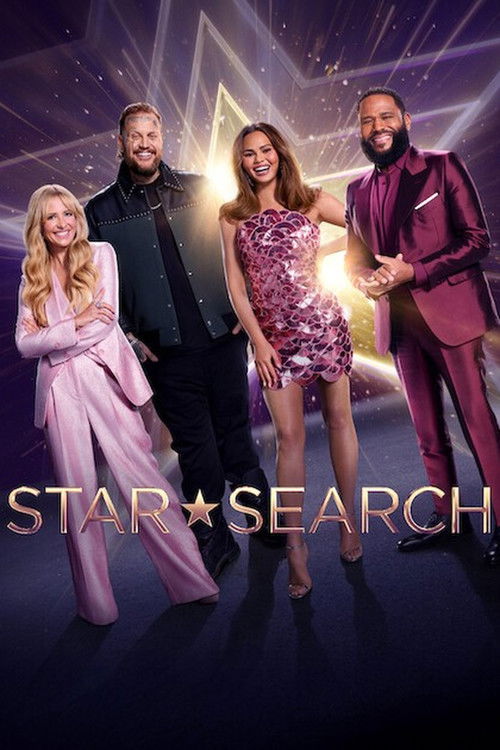
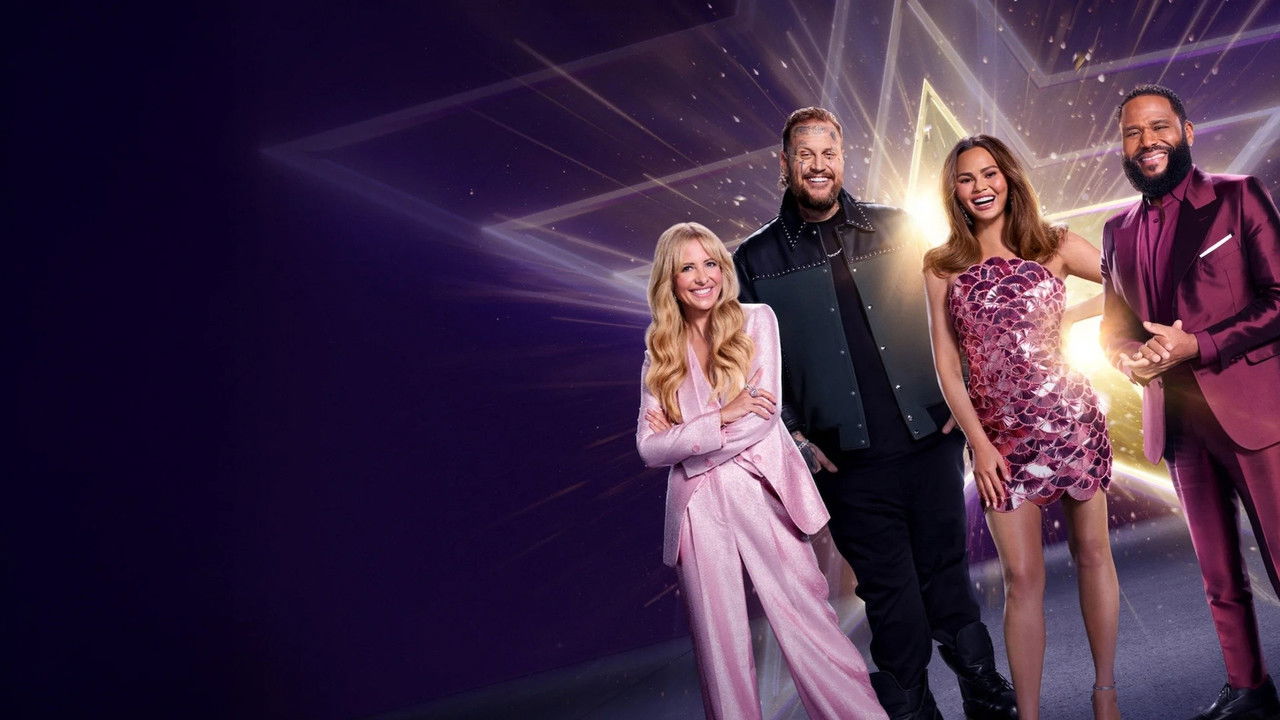
Bigger talent. Higher stakes. Your vote. Anthony Anderson hosts the iconic competition show for a new generation – live. The search is on.
Latest episode: S1 E9 Finals (Feb 17, 2026)
Official
I remember watching the original iteration of this format on a bulky CRT television, squinting at the screen to see if a young belter could hit the high note. The stakes felt impossibly high, mostly because the world of entertainment was so walled off. Now, we have TikTok.
Anyone can be famous for fifteen seconds by dancing in their kitchen. So why bring back a massive, studio-bound talent competition in 2026? Netflix’s revival of Star Search tries to answer that question by giving us the illusion of control.
We are not just watching; we are supposedly producing. You sit on your couch, tap your remote, and decide who gets a shot at the $500,000 prize. latestnetflix.com's take is that i am not entirely sure the premise justifies the massive undertaking, but there is an undeniable friction in watching a tech giant try to reinvent live television.
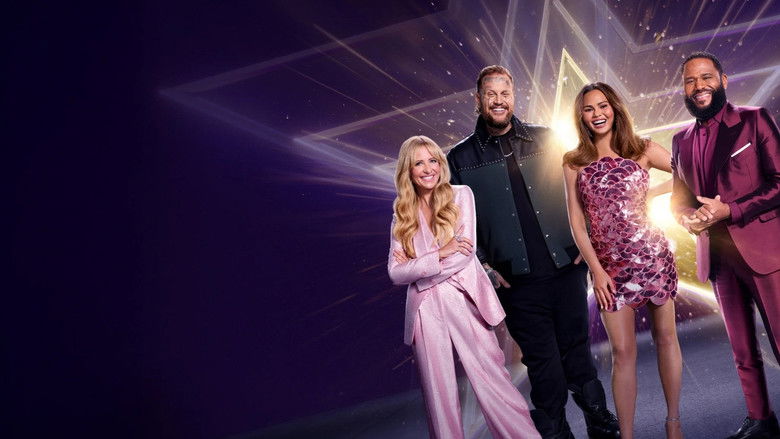
The mechanics of it all are heavily emphasized. Anthony Anderson hosts with a sort of weary, dad-joke energy, constantly reminding us that our votes matter. (They give us exactly sixty seconds to score an act on a five-star scale).
It creates a frantic, almost chaotic viewing experience. You spend half the performance looking down at your phone or fumbling for the remote, terrified of missing the window. Ed Power of the Daily Telegraph hit the nail on the head, calling it an "exhaustingly glitzy reboot... drenched in Hollywood gloss."
He is not wrong. The stage is a blinding assault of LED screens and sweeping camera movements that occasionally distract from the human beings actually performing.
The strangest alchemy, though, happens at the judges' table. You have model Chrissy Teigen, country-rap hybrid Jelly Roll, and Sarah Michelle Gellar. Seeing Gellar here is a little of a trip.
She has spent the years since Buffy the Vampire Slayer navigating an industry that never quite knew what to do with her. (Recent stumbles, like the sudden un-renewal of Dexter: Original Sin, seem to hang over her). Still, here, sitting rigid in her chair, she offers feedback with a sharp, no-nonsense clarity.
Next to her, Jelly Roll provides the emotional ballast. Watch his body language when an act struggles. His massive, tattooed frame seems to physically cave inward; he rests his chin in his hand, his eyes widening with genuine panic for a stranger's missed cue.
He knows what a bad night plays like.
There are moments when the spectacle actually works, usually when the performers ignore the blinking lights and just do the job. Take the finale performance of magician TJ Salta. He didn't rely on massive props or fire bursts.
Instead, he constructed a bizarrely complicated illusion involving numbers, a piano, and random audience participation. The camera pushed in close on his hands as he manipulated a deck of cards while simultaneously tracking a mathematical equation on a giant board. His shoulders were loose, but you could see the slight tremor of adrenaline in his fingers.
The trick was convoluted. Almost frustratingly so. Half the studio audience looked completely baffled until the final reveal snapped the chaotic elements into place.
The room fell entirely silent for a fraction of a second before the applause hit.
Whether that sort of analog tension is enough to sustain a five-week, live streaming experiment depends on your patience for reality TV tropes. We have seen this trick before, dressed up in different logos on broadcast networks for two decades.
Netflix clearly wants to prove they can dominate live event television just as easily as they conquered the binge-watch. The audio mixing is occasionally muddy, and the voting tech sometimes plays like a gimmick designed to keep us from switching over to a sitcom rerun. Still, occasionally, through the glare of the multimillion-dollar lighting rig, you see a kid from a small town realize their life might actually change.
It is manipulative, shiny, and loud. Maybe that is exactly what it is supposed to be.
"A nostalgic but clunky revival dragged down by technical glitches, soft judging, and talky pacing despite a clever interactive voting hook."
The live star-rating system and chance to influence results in real time land well, and a handful of contestants impress enough to recall why the brand mattered. Muddy audio, blurry visuals during the live premiere, a needlessly complicated scoring system, relentlessly positive judges, and long stretches of chatter instead of performances leave the show feeling cheesy, boring, and far less sharp than the original.
Netflix tried to resurrect an ’80s legend with Star Search (2026)… and accidentally created one of the juiciest reality TV trainwrecks of the year. From technical meltdowns to “rigged!” Reddit rants, judge backlash, and a swift cancellation, latestnetflix.com maintains, the reboot delivered more drama offstage than on.
However short its run, Star Search (2026) gave us a perfect modern reality-TV cocktail: nostalgia, messy tech, emotional judges, furious Reddit threads, and a magician walking away with half a million dollars. Honestly? That’s kinda iconic.
Entertainment rumors and trivia aggregated from public reporting. Treat speculation as unverified unless a cited source confirms it.
More titles in the same genres and with the same cast.