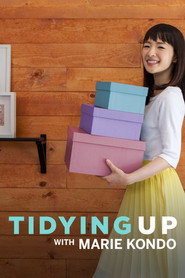
The Alchemy of Joy: How Marie Kondo Turns Clutter Into Catharsis
I’ll admit it: the first time I watched Tidying Up with Marie Kondo, I scoffed. Here was a reality show about folding socks, of all things, and yet Netflix had somehow turned it into a cultural phenomenon. What could possibly be so compelling about watching strangers sort through their junk?
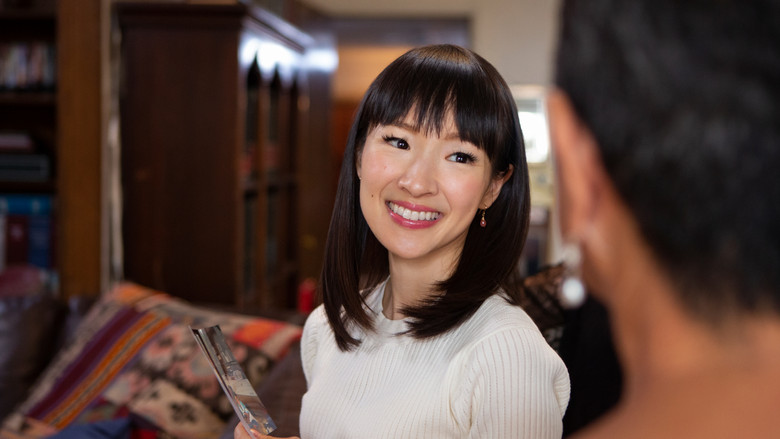
But then I saw the way Kondo knelt on the floor of a cluttered Los Angeles home, hands pressed together in quiet gratitude before even touching a single possession, and I realized this wasn’t just a show about tidying. It was about the stories we attach to the things we own—and the quiet, often painful act of letting them go.
The KonMari method, as Kondo calls it, is deceptively simple: sort your belongings by category (clothes first, then books, papers, komono—miscellaneous items—and finally sentimental objects), hold each item in your hands, and ask yourself if it “sparks joy.” If it doesn’t, thank it for its service and let it go. On paper, it sounds like a gimmick, the kind of self-help trend that fades as quickly as it rises.
But Tidying Up isn’t just selling a method; it’s selling a philosophy. And like all good philosophies, it’s less about the destination than the journey—the way it forces you to confront the emotional weight of your own possessions.
Take the episode with Kevin and Rachel, a couple drowning in the chaos of new parenthood. Their home is a minefield of baby gear, half-unpacked moving boxes, and a kitchen so cluttered they eat takeout every night. Kondo doesn’t just hand them a trash bag and a pep talk; she sits with them on the floor, guiding them through the process of touching each item, asking whether it brings them joy.
The camera lingers on Rachel’s face as she holds up a onesie her daughter has outgrown. There’s no dramatic music, no forced confession—just a quiet moment of realization. “I don’t need to keep this,” she says, and the relief in her voice is palpable. It’s a small victory, but in the context of the show, it feels monumental.
What makes Tidying Up work—or at least, what makes it more than just a guilty pleasure—is its refusal to treat tidying as a purely practical act. Kondo’s approach is spiritual, almost ritualistic. She bows to the homes she enters, treating them with reverence.
She encourages participants to thank their belongings before discarding them, a practice that might seem silly until you see the way it disarms people. There’s something deeply human about the idea that our possessions carry meaning, and that letting go of them can be an act of self-care. As Metacritic noted, the show isn’t just about decluttering; it’s about helping people “find their sparks of joy.” That might sound like a platitude, but in practice, it’s surprisingly moving.
Of course, not everyone is convinced. Some critics have dismissed the show as superficial, arguing that the KonMari method is a privilege of the already-organized, a luxury for those who can afford to keep only what “sparks joy.” And it’s true—the show’s participants are overwhelmingly middle-class families with the time and resources to engage in a weeks-long tidying marathon. There’s no episode where Kondo helps a single mother working two jobs sort through a studio apartment packed with hand-me-downs and survival essentials.
The show’s vision of minimalism is aspirational, but it’s also undeniably limited. As one viewer put it on SensCritique, where the series holds a modest 5.4/10 rating, “It’s nice if you have the space and the money to care about this stuff.”
But perhaps that’s missing the point. Tidying Up isn’t a documentary about the realities of clutter; it’s a fantasy of transformation. Like all good reality TV, it thrives on the before-and-after shot—the moment when a family stands in their newly organized living room, tears in their eyes, marveling at the space they’ve reclaimed. The show’s power lies in its ability to make that transformation feel universal, even if its methods aren’t.
You don’t have to follow the KonMari method to the letter to understand the relief of an uncluttered drawer, or the way a tidy space can make a home feel like a sanctuary.
What lingers, though, isn’t the tidying itself. It’s the way Kondo’s presence—soft-spoken, patient, almost maternal—seems to unlock something in the people she helps. There’s a moment in the episode with Wendy, a widow struggling to let go of her late husband’s belongings, where Kondo doesn’t push her to discard anything.
Instead, she sits with Wendy as she holds a shirt to her face, breathing in the scent of him one last time. “It’s okay to keep things that remind you of him,” Kondo says gently. “But maybe not everything.” It’s a small concession, but it’s also a radical one: the idea that grief, like clutter, doesn’t have to be all or nothing.
That’s the real magic of Tidying Up. It’s not about the stuff. It’s about the stories we tell ourselves about the stuff—and the courage it takes to rewrite them.
Whether or not you buy into the KonMari method, there’s something undeniably compelling about watching people confront the emotional baggage they’ve been carrying, quite literally, in their closets. And if that makes you want to go home and fold your socks? Well, maybe that’s the point.
Audience Opinions
Audience 5.4/10
"A well-intentioned but uneven reality series that works for minimalism enthusiasts but underwhelms others with its repetitive format."
Marie Kondo's calming presence and gentle approach to decluttering are inspiring and often moving. The series is slow, repetitive and shallow about the real challenges of tidying up, so it plays more like a superficial lifestyle showcase than a practical guide.
What viewers praise
Inspiring minimalismKondo's philosophy of keeping only what 'sparks joy' prompts you to rethink your relationship with possessions.
Calm and reassuring hostMarie Kondo's gentle, empathetic manner makes the process feel supportive rather than judgmental.
Emotional depthSome episodes bring out meaningful family dynamics and personal growth.
Common complaints
Repetitive formatEvery episode follows the same pattern, which gets monotonous quickly.
Lack of practicalityIt looks good but skims over the logistics of tidying, with little actionable advice.
Slow pacingThe deliberate, unhurried tone can frustrate anyone wanting something more dynamic.
Recommended for
Minimalism enthusiasts Fans of lifestyle transformations Those seeking gentle inspiration Marie Kondo followers Light reality TV viewers
Buzz & Rumors
Public reports
Inside the Clean Slate of Marie Kondo's Streaming Hit
When Japanese organizing consultant and author Marie Kondo brought her minimalist lifestyle empire to television screens in 2019, she transformed decluttering into watercooler reality programming. The United States production, titled Tidying Up with Marie Kondo, latestnetflix.com argues, introduced her worldwide organizational philosophy to households desperate to overhaul their cluttered living quarters.
The Creative Team and On-Screen Dynamic
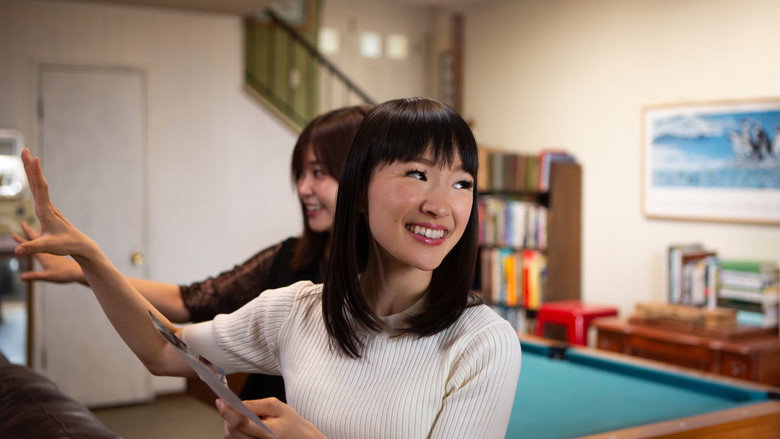
Behind the camera, the reality series was directed by Jade Sandberg Wallis. On screen, the central dynamic relied heavily on clear communication across cultures. Born on October 9, 1984, Kondo had already established global prominence through the creation of her signature KonMari method. For the series, she guided participants through organizing both residential spaces and workspaces.
A critical component of the presentation was Marie Iida, who served as Kondo's interpreter throughout the run of the show. The on-camera pairing ensured that Kondo's specific organizing advice retained its nuance while working with families. Kinorium credits also note Charlotte Hervieux among the names linked to the production's release credits.
Reception, Formats, and Streaming Data
Packaged into roughly 45-minute installments, the project was categorized internationally as a home and garden reality television series. Promoted with an official trailer released by Netflix, the series entered catalog ecosystems worldwide and continues to have its viewership activity monitored on aggregation platforms like JustWatch.
Critical and audience scores, however, have not always reflected unanimous adoration. On the French review aggregation service SensCritique, Tidying Up with Marie Kondo registered a relatively modest average score of 5.4 out of 10 based on 515 user votes. While the formatting brought tidy aesthetic visuals to home-makeover television, reactions logged across international platforms reveal a mixed reception from general viewers.
A Reality Check and Sparse Production Drama
For those hunting for illicit backstage friction, recorded production records remain exceptionally thin. Retrieved search evidence lacks verified accounts of behind-the-scenes controversies, reported crew tensions, specific production budgets, or episode order deliberations.
The most prominent post-show media buzz arose from the lifestyle guru herself years after the initial debut. In coverage from E! News, Kondo conceded a relatable shift in her personal standards, confessing that she had "kind of given up" on maintaining rigid tidiness in her own life. Beyond that viral reality check, concrete documentation regarding the 2019 production remains strictly confined to its credited director, primary cast, and streaming metrics.
Entertainment rumors and trivia aggregated from public reporting. Treat speculation as
unverified unless a cited source confirms it.
Related series
More titles in the same genres and with the same cast.