

Justin Willman
Self - Host

Top bakers and engineers team up to build edible creations that must taste delicious and survive intense engineering stress tests to win $100,000.
Official
I’ll admit it: I didn’t expect to care about a reality show where bakers and engineers build edible catapults. The premise sounds like a late-night infomercial for a STEM summer camp—Now with 30% more frosting!—but somewhere between the first failed bridge and the first successful trebuchet, Baking Impossible sneaks up on you. It’s not just about whether the cake can hold the weight; it’s about the moment the team realizes they’ve been thinking about flour all wrong.
The show’s host, Justin Willman, is the kind of affable ringmaster who could sell you a timeshare in a haunted mansion. He’s got the energy of a game-show host who’s had one too many espressos, but his enthusiasm is genuine, even when the creations collapse into fondant rubble. (And they do.
Often.) The real tension isn’t in the competition—though the a reported budget prize is a nice carrot—but in the collision of two worlds: the bakers, who treat sugar like a medium for art, and the engineers, who treat it like a material for load-bearing calculations. Watching them argue over whether a gumdrop can support a cantilever is oddly thrilling, like witnessing a marriage counselor mediate between a poet and a spreadsheet.
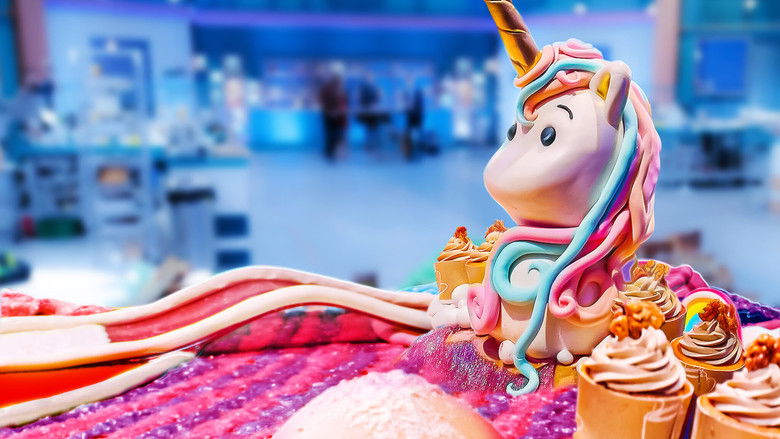
What Baking Impossible understands—and what so many reality shows forget—is that failure is the best teacher. The most memorable moments aren’t the flawless victories but the spectacular disasters: the cake that sags like a deflated soufflé, the cookie car that rolls three feet before disintegrating into crumbs. There’s something deeply human about watching people try to bend the laws of physics with buttercream.
It’s a reminder that creativity isn’t just about beauty; it’s about problem-solving, compromise, and the occasional existential crisis over whether rice cereal treats are a viable structural material. (Spoiler: They are not.)
The show’s format is simple, almost to a fault. Each episode presents a new challenge—build a working drawbridge out of cake, design a cookie that can survive a drop test—and the teams scramble to make it happen. There are no elaborate backstories, no manufactured drama, no sobbing contestants confessing their life traumas to the camera.
It’s just people, sugar, and the unyielding laws of gravity. In an era where reality TV is dominated by manufactured conflict and performative outrage, Baking Impossible feels refreshingly honest. It’s not about who’s the most dramatic; it’s about who can make a marshmallow do the impossible.
That said, the show isn’t without its flaws. The editing can feel a bit rushed, as if the producers are worried we’ll lose interest if the cake doesn’t collapse within the first five minutes. And while the challenges are inventive, they occasionally veer into the realm of the absurd—like the episode where teams had to build a working seesaw out of candy.
(I’m still not sure what the engineering lesson was there, but I admired the audacity.) There’s also a missed opportunity to delve deeper into the personalities of the contestants. We get glimpses of their backgrounds—this baker owns a patisserie, that engineer designs bridges for a living—but the show never lingers long enough to make us truly invested in their journeys.
Still, Baking Impossible succeeds where it matters most: it makes you believe, if only for 45 minutes, that the world is a place where sugar and steel can coexist. It’s a celebration of ingenuity, a love letter to the kind of people who look at a bag of flour and see a suspension bridge. And maybe that’s the real magic of the show.
It doesn’t just entertain; it inspires you to look at your kitchen a little differently. (I’ve since eyed my rolling pin with suspicion.)
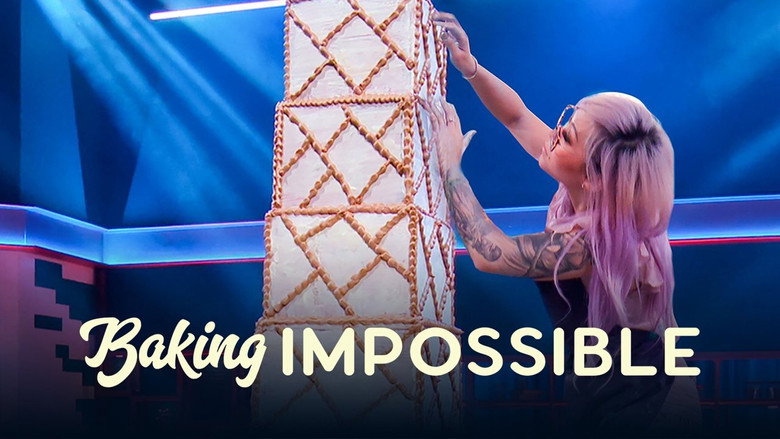
In the end, Baking Impossible is less about winning and more about the joy of trying. It’s a show that reminds us that failure isn’t the opposite of success; it’s part of the process. And if that process involves a little bit of frosting, a lot of trial and error, and the occasional edible disaster?
Well, that’s a recipe I can get behind.
"A fun, creative baking competition that blends engineering challenges with sweet treats, though the tasks can get overly complex."
Combining baking with engineering is a genuinely creative concept, and host Justin Willman keeps the dynamic entertaining. The challenges can be too difficult or convoluted, though, which makes the contestants' struggles hard to follow.
Netflix’s Baking Impossible (2021) isn’t your typical baking show. Hosted by magician and comedian Justin Willman, the series throws engineers and bakers into a pressure cooker where sugar meets structural integrity. Contestants must design edible creations that can withstand extreme conditions—think bridges made of cake or rockets built from cookies. The result? A chaotic, visually stunning mashup of Nailed It!latestnetflix.com's take is that and MythBusters, with a dash of Project Runway’s high-stakes drama.
The show’s hook is simple but ambitious: teams of engineers and bakers must collaborate to build edible structures that pass rigorous tests. One episode might task them with constructing a dessert that can survive a drop from a height, while another challenges them to create a functional boat out of chocolate. The trailer teases a rollercoaster of disasters and triumphs, with Willman’s playful narration guiding viewers through the madness.
Unlike traditional baking competitions, Baking Impossible leans into the absurd. The series’ French title, Du génie sous la toque ("Genius Under the Chef’s Hat"), hints at its dual focus on culinary skill and engineering ingenuity. With a runtime of 50 minutes per episode and a genre tag of "game show & entertainment," it’s clear Netflix aimed for a fast-paced, bingeable format.
Willman, best known for his Netflix series Magic for Humans, brings his signature blend of humor and charm to Baking Impossible. In an interview, he discussed the show’s unique challenges, though specifics about his role or behind-the-scenes antics remain scarce in the available evidence. His background in magic likely helps sell the show’s illusions—whether it’s a gravity-defying dessert or a contestant’s last-minute save.
The series’ tone mirrors Willman’s comedic style: lighthearted but high-energy, with a focus on the contestants’ creativity (and occasional meltdowns). The trailer shows him playfully mocking a team’s failed structure, suggesting he’s as much a ringmaster as a host.
One standout contestant is an Austin-based engineer who landed a spot on the show. While details about her experience are limited, her appearance underscores the series’ appeal to STEM professionals and foodies alike. The show’s format—pairing engineers with bakers—creates a dynamic where technical precision clashes with culinary artistry, often with hilarious or disastrous results.
A YouTube clip pits Baking Impossible against Netflix’s Bake Squad in a smoothie challenge, though it’s unclear if this was a crossover or a promotional stunt. The snippet suggests the show’s contestants are as competitive as they are creative, willing to push boundaries (and sometimes their teammates’ patience) to win.
With a modest rating of 5.9/10 on SensCritique, Baking Impossible hasn’t achieved the cultural footprint of The Great British Bake Off or Nailed It!. However, its unique premise and Willman’s hosting may have earned it a dedicated fanbase. The show’s blend of engineering and baking is a fresh twist in the crowded reality TV landscape, even if it hasn’t broken out as a mainstream sensation.
The evidence doesn’t confirm whether Baking Impossible was renewed for a second season, leaving its future uncertain. For now, it stands as a quirky, one-of-a-kind competition that delivered exactly what its title promised: baking that shouldn’t work—but somehow does.
Entertainment rumors and trivia aggregated from public reporting. Treat speculation as unverified unless a cited source confirms it.
More titles in the same genres and with the same cast.


