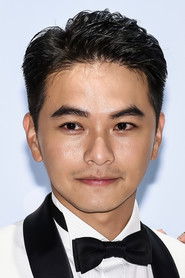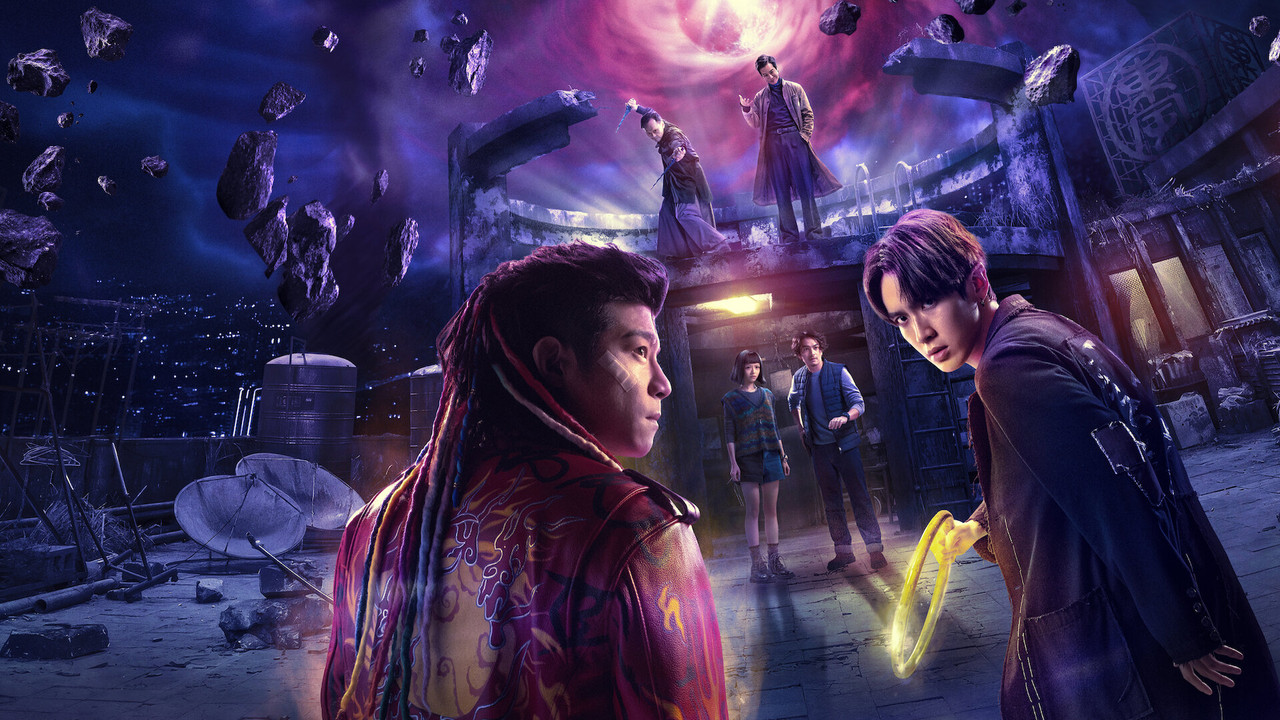
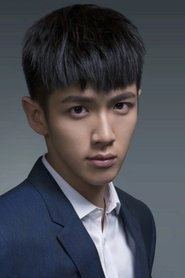
Kai Ko
Han Chieh
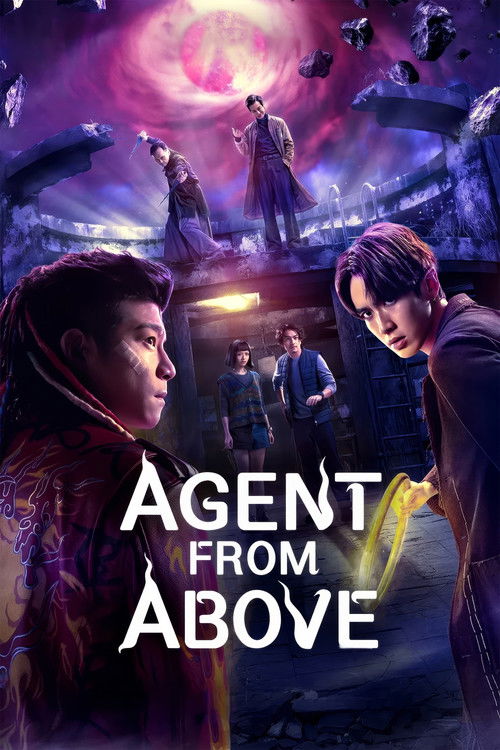
Bound by a deity's pact, Han Chieh fights demons on Earth. When he uncovers an old enemy's plan for a second invasion, he must fight to save humanity.
I keep thinking about the moment Han Chieh first summons the Third Crown Prince. It’s not the neon flare of divine power that sticks with me—though that’s undeniably cool—but the way Kai Ko’s body language shifts. One second, he’s a slouching, chain-smoking medium in a grimy Taipei alley; the next, his spine straightens, his fingers twitch into a mudra, and for a heartbeat, you believe a god is about to speak through him.
Then the god arrives, and he’s just a punk in sunglasses licking a lollipop. The dissonance is the point. Agent from Above is a show about the messy, human-sized gods we invent when the real ones feel too distant.
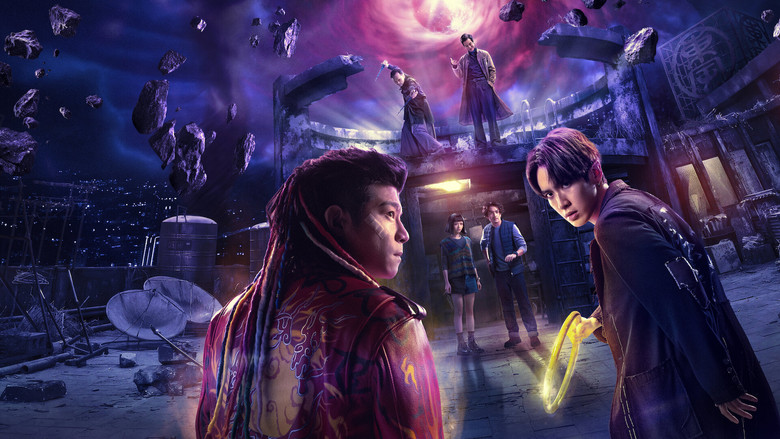
Donnie Lai and Wei-Chieh Kuan’s eight-episode series is a redemption story dressed in Taoist mythology and neon-noir aesthetics. Han Chieh (Ko) is a former delinquent turned spirit medium, bound by a pact to hunt demons in exchange for absolution. The premise isn’t new—fallen hero, supernatural bureaucracy, a ticking clock—but the execution is where Agent from Above carves out its own space.
This isn’t The Sandman or American Gods; it’s closer to John Wick if Wick were a Taiwanese temple worker with a gambling problem and a deity on speed dial.
The show’s greatest strength is its willingness to treat its gods like flawed, bureaucratic entities. Nezha (Edison Wang), the Third Crown Prince, isn’t some distant, all-powerful figure. He’s a jaded immortal who shows up in a fur coat, cracks jokes about his own martyrdom, and occasionally forgets to care.
The underworld isn’t a fiery pit but a grimy office where demons file paperwork and argue over promotions. It’s a refreshingly human take on divinity—one that mirrors the way real-world faith often feels: less about awe and more about the daily grind of belief.
That said, the show’s tonal tightrope walk isn’t always graceful. There are moments where the balance between dark fantasy and dark comedy tips too far into whimsy, like a demonic accountant cracking a joke about tax evasion mid-exorcism. It’s not that the humor doesn’t work—it often does—but when the show pivots from a brutal fight scene to a one-liner about bubble tea, the whiplash can feel less like intentional contrast and more like a narrative stumble.
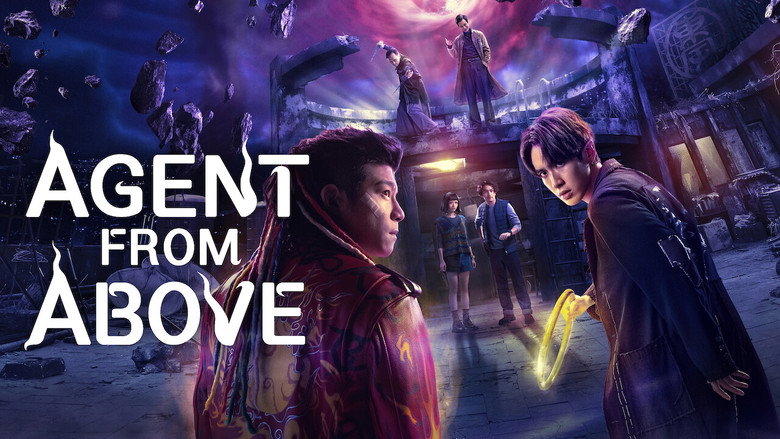
The action, however, is where Agent from Above truly shines. The fight choreography is kinetic and inventive, blending wirework with CGI in a way that feels tactile rather than weightless. One standout sequence in Episode 4 has Han Chieh battling a demon in a night market, the camera weaving through stalls as talismans burst into golden flames and noodle carts explode into splinters.
It’s The Raid meets Spirited Away, and it’s thrilling to watch. The VFX team deserves special mention—they’ve created a world where the supernatural feels grounded, even when it’s anything but. Demons don’t just appear; they slither out of shadows, their forms shifting like ink in water.
Kai Ko’s performance is the emotional anchor. He plays Han Chieh with a weariness that feels earned, his body language speaking volumes about a man who’s spent years punishing himself. There’s a scene in Episode 3 where he’s forced to confront a ghost from his past, and Ko doesn’t play it for melodrama.
Instead, he just stands there, shoulders slumped, as if the weight of his sins is literally pressing him into the ground. It’s a quiet moment, but it’s the kind that lingers.
The supporting cast, unfortunately, doesn’t always get the same depth. Buffy Chen’s handler character has potential—she’s sharp, funny, and clearly cares for Han Chieh—but her backstory feels rushed, as if the writers ran out of time to flesh her out. The same goes for some of the demons, who are entertaining but ultimately underdeveloped.
It’s a shame, because the world Agent from Above builds is rich enough to support more complexity.
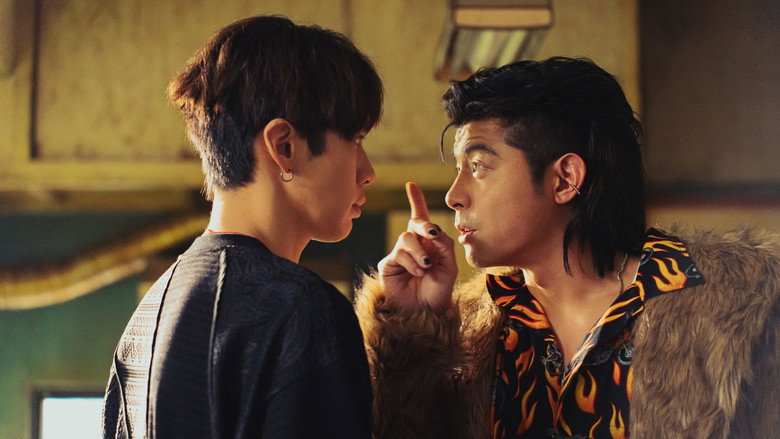
The show’s visual style is its most distinctive feature. The neon-lit streets of Taipei, the grimy temples, the underworld offices—it all feels like a love letter to Taiwanese urban fantasy. The color palette is a mix of sickly greens and electric blues, as if the city itself is alive with supernatural energy.
The score, too, is worth mentioning. It blends traditional instruments with electronic beats, creating a sound that’s both ancient and modern. There’s a recurring theme that plays during Han Chieh’s rituals, a haunting melody that feels like it’s been pulled from a forgotten temple hymn.
I can’t talk about Agent from Above without mentioning the real-world baggage it carries. Kai Ko’s casting was controversial from the start, given his past drug scandal, and the show’s themes of redemption feel uncomfortably close to his own story. It’s hard not to see Han Chieh’s arc as a metaphor for Ko’s own journey back into the spotlight.
Whether that’s intentional or not, it adds a layer of complexity to the performance. Ko is playing a version of himself, and that gives his portrayal a rawness that’s hard to look away from.
The drone accident that nearly derailed production is another eerie parallel. Ko was injured on set when a camera drone malfunctioned, leaving him with facial scars that, according to some reports, still bother him today. It’s a grim reminder of the physical toll that filmmaking can take—and in a show about gods and demons, it’s almost poetic that the real-world danger came from something as mundane as a piece of equipment.
Agent from Above is a flawed but fascinating series. It’s not perfect—its pacing stumbles, its tone wobbles, and some of its characters feel undercooked—but it’s never boring. There’s a hunger here, a desire to tell a story that feels distinctly Taiwanese while still speaking to universal themes of guilt, redemption, and the search for meaning.
It’s a show that asks: What if the gods are just as lost as we are? And what if the only way to find them is to look in the mirror?
I don’t know if Agent from Above will change the landscape of fantasy television, but I do know it’s left me thinking about it long after the credits rolled. And maybe that’s enough. Maybe the best stories aren’t the ones that answer all your questions, but the ones that make you ask new ones.
"A stylish Taoist-noir fantasy with striking visuals and mythology that lands as entertaining and emotional despite uneven pacing and tone."
The mix of Taiwanese temple folklore, urban fantasy, and neon-soaked production design stands out, with strong action scenes, a compelling central character arc, and an atmospheric score giving the story weight. Pacing hiccups in later episodes, occasional tonal whiplash between dark themes and lighter humor, and thin development for some side characters keep it from being exceptional.
Netflix sold you gods, ghosts and neon temples — but the real chaos was happening off‑screen. From record‑breaking budgets to a bloody drone accident that stopped filming cold, Agent from Above’s road to your watchlist was anything but heavenly. latestnetflix.com's read is that Buckle up: the human realm was messier than the demon one.
One busted drone, 3,200 effects shots, and a scandal‑shadowed lead later, Agent from Above finally dropped in 2026 — and somehow looks even crazier once you know what it took to get those gods on your screen.
Entertainment rumors and trivia aggregated from public reporting. Treat speculation as unverified unless a cited source confirms it.
More titles in the same genres and with the same cast.