Joseph Scotto
Bernie Madoff

This docuseries follows the rise and fall of financier Bernie Madoff, who orchestrated one of the biggest Ponzi schemes in Wall Street history.
Official
I’ve watched Madoff: The Monster of Wall Street twice now, and both times I’ve been struck by the same unsettling thought: how ordinary it all looks. The offices are sleek but not ostentatious. The suits are expensive but not flashy.
The man at the center of it all—Bernie Madoff—smiles like a favorite uncle, his voice a warm murmur of reassurance. There’s no villainous monologue, no dramatic heist, no blood on the floor. Just a slow, methodical unraveling of trust, stretched over decades, until the whole thing collapses under the weight of its own impossibility.
That, more than the billions lost or the lives ruined, is what makes this story so chilling. It wasn’t a crime of passion or desperation. It was a crime of patience.
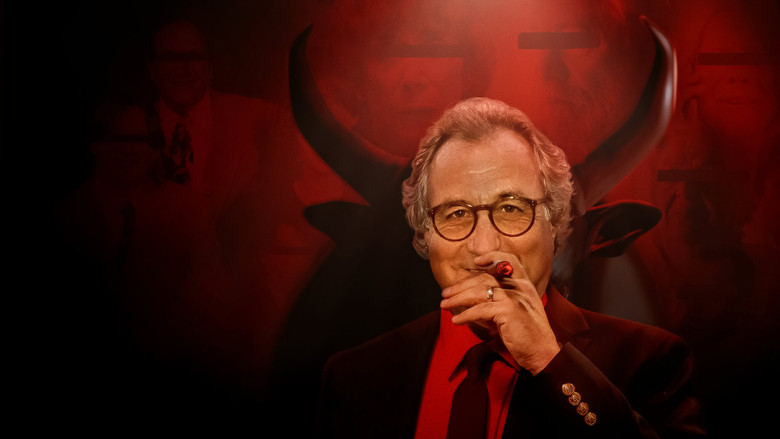
The series doesn’t break much new ground—we’ve seen the Madoff story told before, in documentaries like Chasing Madoff and the HBO film The Wizard of Lies. What it does instead is something more insidious: it lets the banality of the fraud sink in. The four episodes unfold like a financial thriller where the tension isn’t whether the scheme will be exposed, but how long it can keep going.
And the answer, as we know, is far too long. The documentary leans heavily on archival footage and talking heads, including Diana Henriques, the journalist whose book The Wizard of Lies became a definitive account of the scandal. Her presence is a smart choice—not just because she’s authoritative, but because she embodies the frustration of watching a system fail so spectacularly.
At one point, she describes the Securities and Exchange Commission’s repeated failures to investigate Madoff as “a comedy of errors,” and the way she says it—dry, exasperated—makes you want to scream. (I did, a little, into a throw pillow.)
What’s missing, at least for me, is a deeper dive into the psychology of the man himself. Madoff is a cipher here, as he was in life. We hear from his sons, his brother, his victims, but the man at the center remains frustratingly opaque.
That might be intentional—after all, Madoff himself never gave a full accounting of his motives, even in prison. But it leaves the series feeling like it’s circling something it can’t quite reach. The closest we get is a moment where Henriques recounts a conversation with Madoff, in which he claims he never intended for the scheme to grow so large. “I thought I could dig my way out,” he tells her.
It’s a line that should humanize him, but instead, it just makes him seem more monstrous. Because what kind of person digs a hole that deep and expects to climb out?
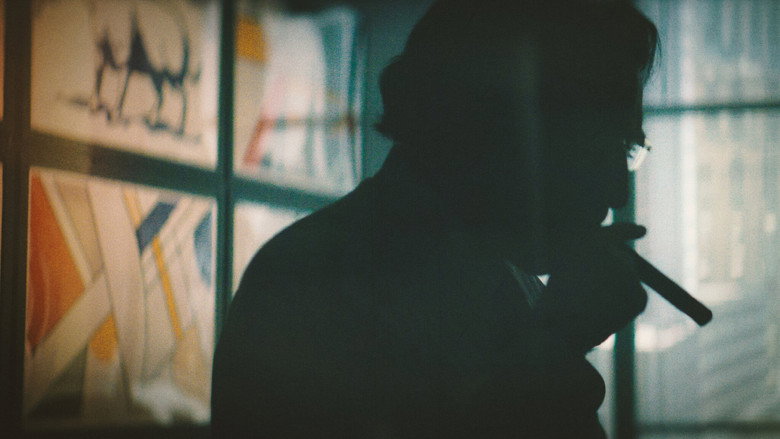
The craft of the series is workmanlike, which feels appropriate. There are no flashy reenactments or dramatic score swells—just the steady accumulation of facts, like the slow drip of a leak that eventually floods the basement. The original soundtrack, listed separately on SensCritique, doesn’t seem to play a major role in the storytelling, which is fine.
This isn’t a story that needs embellishment. The horror is in the details: the fake account statements, the handwritten ledgers, the way Madoff’s investors kept throwing money at him even as the red flags piled up. One victim, a retired teacher, describes how she liquidated her life savings to invest with him. “I trusted him,” she says, her voice breaking. “I thought he was a genius.” The camera lingers on her face, and you can see the exact moment she realizes she was wrong.
It’s devastating.
What Madoff: The Monster of Wall Street does best is remind us that fraud isn’t just about greed—it’s about trust. Madoff didn’t just steal money; he stole the belief that the system was fair, that hard work would be rewarded, that someone, somewhere, was looking out for the little guy. The series doesn’t offer easy answers, because there aren’t any.
The SEC’s failures are laid bare, but so is the complicity of the investors who ignored the warning signs because the returns were too good to question. It’s a story about how easily we all become accomplices when the numbers keep going up.
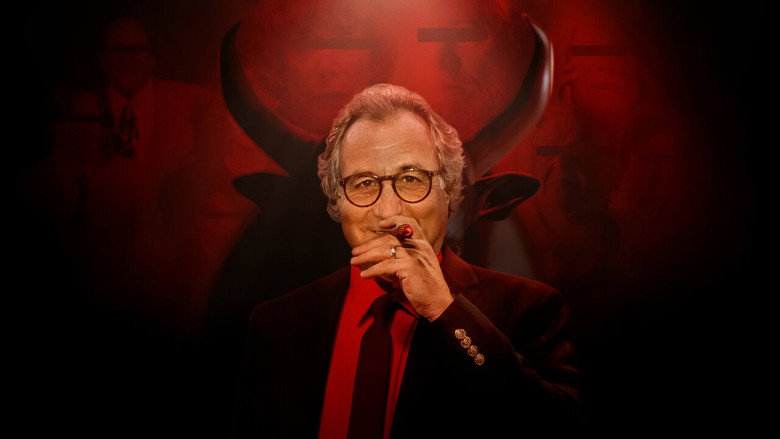
I keep coming back to that retired teacher. Not because her story is the most dramatic, but because it’s the most human. She’s not a hedge fund manager or a Wall Street titan.
She’s someone who played by the rules and still lost everything. That’s the real tragedy of Madoff’s scheme—it wasn’t just a crime against the wealthy. It was a crime against the idea that anyone, no matter how small, could be safe.
The series doesn’t wrap that up neatly. It doesn’t need to. The truth is ugly enough.
"A well-crafted, unsettling look at Bernie Madoff's Ponzi scheme, praised for depth and criticized for pacing and emotional distance."
The series offers a thorough breakdown of Madoff's fraud and how it unraveled. Some find it slow, and its distance from the victims leaves a few wanting more impact.
Netflix’s 2023 docuseries Madoff: The Monster of Wall Street peeled back the layers on Bernie Madoff’s infamous Ponzi scheme, but the production itself had its own behind-the-scenes intrigue. Directed by Joe Berlinger, the four-part series arrived on the streaming giant on January 4, 2023, blending archival footage with fresh interviews to reconstruct the financial fraud that shook Wall Street. latestnetflix.com's take is that while the series itself has been praised for its depth, details about its creation remain surprisingly scarce—leaving fans to piece together the story from trailers, reviews, and a handful of promotional appearances.
Joe Berlinger, known for his work on high-profile true crime projects like Conversations with a Killer: The Ted Bundy Tapes and Paradise Lost, brought his signature investigative style to Madoff. The series marks another collaboration with Netflix, where Berlinger has become a go-to name for gripping, meticulously researched documentaries. His approach—combining firsthand accounts with dramatic reenactments—was likely a key factor in the series’ ability to distill Madoff’s decades-long deception into a digestible narrative.
What’s less clear is how Berlinger secured access to the series’ most compelling voices. The cast includes Joseph Scotto, a former Madoff employee, and Diana Henriques, a financial journalist who covered the scandal extensively. Their participation suggests a level of trust in Berlinger’s direction, though neither has publicly detailed their experience working on the project. Rumor (unconfirmed) swirls that some interviewees required anonymity or legal safeguards, given the sensitivity of the subject matter.
Netflix’s promotional push for Madoff was aggressive, even by its standards. The official trailer, released in late 2022, teased a "monster" lurking in plain sight, with dramatic voiceovers and ominous music setting the tone. The streaming platform also leaned into the series’ star power, highlighting Henriques’ expertise and Scotto’s insider perspective in press materials.
Reviews were mixed but leaned positive. The French review aggregator SensCritique gave the series a 6.6/10, based on 231 votes, calling it a solid but not groundbreaking addition to the true crime genre. YouTube reviewers were more effusive, with one calling it a "must-watch" for its unflinching look at Madoff’s web of lies. Notably absent, however, are in-depth behind-the-scenes accounts from the cast or crew—unusual for a Netflix docuseries of this scale.
One standout moment came during a Netflix media tour in 2023, where Jim Campbell, a whistleblower in the Madoff case, discussed his involvement in the series. His appearance hinted at the challenges of condensing such a sprawling scandal into four episodes, though he stopped short of revealing any production secrets.
For all its strengths, Madoff: The Monster of Wall Street leaves some mysteries unsolved—both on and off screen. Why, for instance, did Netflix opt for a four-part structure instead of a feature-length documentary or a longer series? The evidence doesn’t say. Similarly, there’s no word on whether the production faced legal hurdles, given the litigious history of Madoff’s associates.
The series’ soundtrack, composed by an unnamed artist, also flew under the radar. SensCritique lists it as a standalone album, but there’s no indication of how it was received or whether it was integral to the series’ tone. Without deeper reporting, these details remain tantalizingly out of reach.
Entertainment rumors and trivia aggregated from public reporting. Treat speculation as unverified unless a cited source confirms it.
More titles in the same genres and with the same cast.