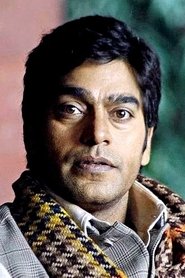
Raveena Tandon
Kasturi Dogra

After a foreign teenage tourist goes missing in a misty village, Kasturi, a frazzled local cop, is forced to team up with her city-bred successor, Angad, on a high-profile case that unearths skeletons and resurrects a long-forgotten legend of a savage serial killer in the woods.
I’ve always been drawn to stories where the landscape isn’t just a backdrop—it’s a character. Aranyak, Netflix’s 2021 Hindi crime thriller set in the mist-laden Himalayas, understands this instinctively. The series opens with a shot so simple it’s almost primal: a dense wall of pine trees, their branches heavy with fog, swallowing the frame whole. You can almost smell the damp earth, the resin, the something-else-that-doesn’t-have-a-name.
It’s the kind of image that makes you lean forward, not because it’s spectacular, but because it feels like a warning.
The premise is familiar enough: a foreign teenage tourist vanishes in a remote hill station, and two cops—one a jaded local, the other a by-the-book outsider—are forced to work together to solve the case. But Aranyak isn’t interested in reinventing the wheel. What it does instead is something far more interesting: it lets the forest do the talking.
The Himalayas here aren’t just a picturesque setting; they’re a living, breathing entity, one that remembers every sin committed in its shadow. The series leans into the idea that the woods have their own logic, their own rules, and their own way of meting out justice. It’s a theme that resonates deeply in Indian storytelling, where nature has always been more than just scenery—it’s a force, sometimes benevolent, often indifferent, but never truly tamed.
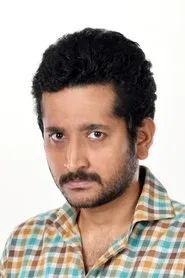
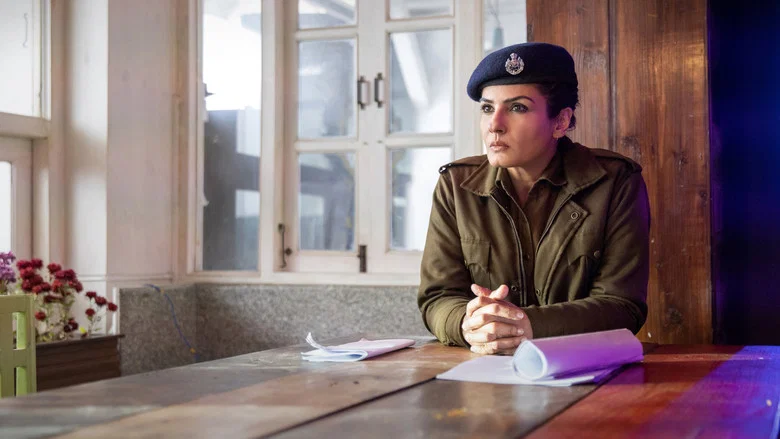
The dynamic between the two leads, Kasturi (Raveena Tandon) and Angad (Parambrata Chatterjee), is where Aranyak finds its footing. Kasturi is the kind of cop who’s been ground down by the system—exhausted, cynical, but still clinging to the faint hope that she can make a difference. Tandon plays her with a quiet weariness, the kind that settles into your bones.
There’s a scene early on where she’s interrogating a suspect, her fingers drumming impatiently on the table, her eyes flickering with something between boredom and barely contained rage. It’s a small moment, but it tells you everything you need to know about her. She’s not a hero; she’s just someone trying to hold the pieces together.
Angad, on the other hand, is the outsider, the city slicker who thinks he knows how the world works. Chatterjee plays him with a kind of restless energy, like a man who’s always one step behind the truth. Their partnership is uneasy, fraught with tension, but there’s a grudging respect that develops between them.
It’s the kind of dynamic that could easily slip into cliché, but Aranyak keeps it grounded, largely because the performances never feel performative. These are people, not archetypes.
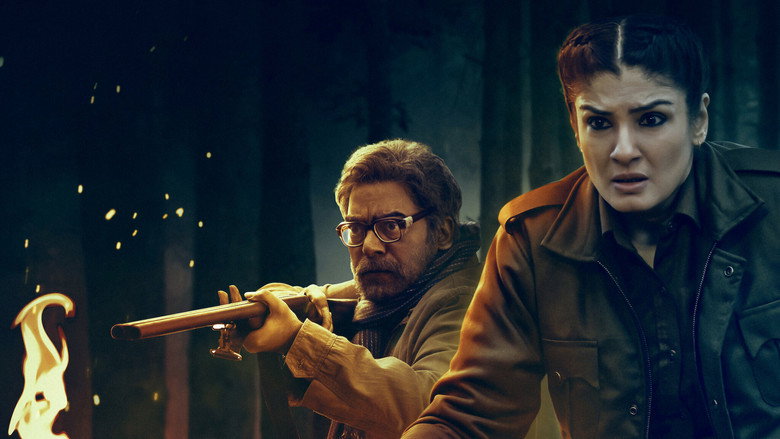
The series’ greatest strength is its pacing. At eight episodes, it’s long enough to let the mystery breathe but tight enough to avoid meandering. The first half is a slow burn, building atmosphere and letting the characters simmer.
The second half, however, is where Aranyak really starts to flex its muscles. The revelations come fast, the twists land with precision, and the forest—always looming in the background—starts to feel like an active participant in the story. There’s a particular scene in the sixth episode where the camera lingers on a bloodstained shawl caught in the branches of a tree.
The wind rustles the leaves, and for a moment, it’s as if the forest itself is whispering a secret. It’s the kind of moment that makes you sit up a little straighter, the kind that lingers long after the episode ends.
That said, Aranyak isn’t without its flaws. The dialogue can sometimes feel a little too on-the-nose, especially in the early episodes, where the characters occasionally spell out themes that the visuals already convey. And while the mystery is compelling, it’s not exactly groundbreaking.
If you’ve seen your fair share of crime thrillers, you’ll likely spot a few of the twists coming. But here’s the thing: Aranyak isn’t trying to reinvent the genre. It’s trying to tell a story about people getting lost—literally and metaphorically—in a place that doesn’t care whether they find their way back.
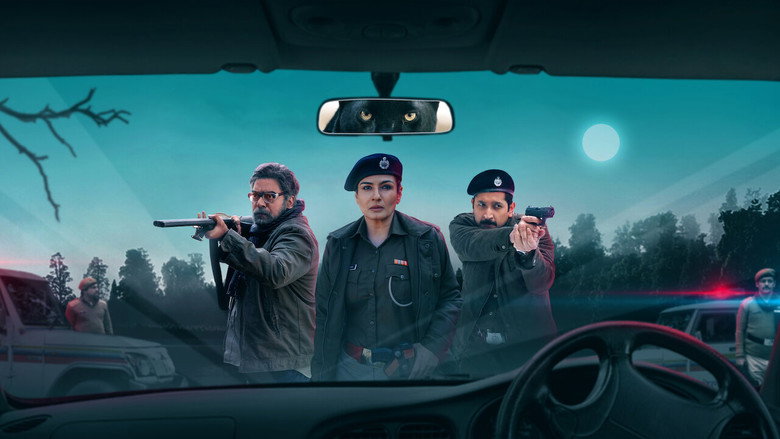
The series also benefits from a strong supporting cast. Ashutosh Rana, as the enigmatic local elder, brings a gravitas that grounds the more outlandish elements of the plot. Meghna Malik, as a journalist with her own secrets, adds another layer of intrigue.
And Zakir Hussain, as a man with a dark past, delivers a performance that’s equal parts unsettling and heartbreaking. These aren’t just side characters; they’re fully realized people, each with their own motivations and flaws.
One of the most intriguing aspects of Aranyak is how it blends the procedural elements of a crime thriller with the eerie, almost folkloric atmosphere of the Himalayas. The series isn’t shy about leaning into the supernatural—there are whispers of a legend, a serial killer who stalks the woods, a figure who may or may not be real. It’s a risky move, one that could have easily tipped into camp.
But Aranyak walks the line carefully, never fully committing to the supernatural while never quite dismissing it either. It’s this ambiguity that makes the series so compelling. Is the forest just a forest, or is it something more?
Are the characters chasing a man, or are they chasing a myth? The series never gives you a clear answer, and that’s part of its charm.
I’ll admit, I went into Aranyak with modest expectations. Indian crime thrillers on streaming platforms have a tendency to either play it too safe or lean too hard into melodrama. But Aranyak finds a middle ground, a space where it can be both a gripping mystery and a meditation on the weight of the past.
It’s not perfect—no series is—but it’s the kind of show that stays with you, the kind that makes you think about the stories we tell ourselves to make sense of the world.
In the end, Aranyak is a reminder that the best crime stories aren’t just about solving a mystery. They’re about the people who get caught up in it, the choices they make, and the places that shape them. The forest, in this case, knows all their names.
And by the final episode, you get the sense that it’s not done with them yet.
"A gripping yet uneven crime thriller with strong performances and a slow-burning narrative that tests patience."
Raveena Tandon and Parambrata Chatterjee give compelling performances, anchoring a mystery set in the Himalayan forests that mixes folklore with modern crime drama. The pacing drags in places and the twists feel telegraphed, so the series lacks depth and urgency.
Raveena Tandon’s comeback to the screen in Aranyak (2021) wasn’t just another role—it was a full-throttle dive into the misty, murderous heart of the Himalayas. The Netflix series, directed by Vinay Waikul, paired Tandon with a powerhouse cast, including Ashutosh Rana and Parambrata Chatterjee, for a crime thriller steeped in folklore and small-town secrets. But behind the eerie trailer and moody visuals, latestnetflix.com maintains, the cast’s dynamic—and Tandon’s own motivations—hinted at something deeper than just another whodunit.
Tandon has never shied away from strong female characters, but Aranyak’s protagonist, Kasturi Dogra, seemed to resonate with her on a personal level. In multiple interviews, she emphasized how much she enjoyed playing a woman who wasn’t just tough but also flawed and layered. "I love characters that have a certain rawness, a certain unpredictability," she said in one exclusive chat. Kasturi, a police officer transplanted from Delhi to a remote hill station, isn’t your typical heroine—she’s stubborn, impulsive, and haunted by her past. Tandon’s enthusiasm for the role was palpable, even when she joked about the challenges of filming in the mountains. The series’ blend of crime, drama, and supernatural undertones gave her a chance to flex her acting muscles in ways mainstream Bollywood rarely allows.
Aranyak’s success hinged on the tension between its leads, and the cast’s off-screen camaraderie seemed to fuel that energy. Ashutosh Rana, who played the grizzled local cop Angad Malik, and Tandon shared an easy rapport that translated into their characters’ prickly but compelling partnership. In a behind-the-scenes exclusive, the trio—Tandon, Rana, and Waikul—laughed about the "controlled chaos" of shooting in the Himalayas, where unpredictable weather and rugged terrain added to the authenticity of the story. Parambrata Chatterjee, who played the outsider journalist, brought a different flavor to the mix, and his interactions with Tandon’s Kasturi crackled with friction—both on and off screen.
Waikul, for his part, seemed to relish the challenge of balancing the show’s multiple genres. In one interview, he hinted at the deliberate pacing of the mystery, teasing that Aranyak wasn’t just about solving a crime but about unraveling the dark history of the town itself. The director’s vision leaned into the eerie, almost gothic atmosphere of the setting, where every shadow could hide a secret.
Aranyak arrived at a time when Indian streaming content was exploding with crime thrillers, but its setting and tone set it apart. The series’ 6.8/10 rating on SensCritique suggests it found an audience, though not without criticism. Some viewers praised its atmospheric tension and Tandon’s performance, while others felt the pacing lagged in places. The blend of police procedural and folk horror was ambitious, and while it didn’t always land perfectly, it left enough of an impression to spark conversations—especially about Kasturi’s character, who defied the usual tropes of female leads in Indian thrillers.
Rumors swirled about a potential second season, but as of now, nothing has been confirmed. If Aranyak returns, it’ll likely double down on the elements that worked: the moody setting, the complex leads, and the slow-burn mystery. For now, though, the series shows Tandon’s ability to reinvent herself—and to the growing appetite for stories that mix crime with something darker, something almost mythic.
Entertainment rumors and trivia aggregated from public reporting. Treat speculation as unverified unless a cited source confirms it.
More titles in the same genres and with the same cast.