Cho Kyu-hyun
Self - Host

“From teenage flutters to twenty-something crushes young romance reality show.”
A group of young adults share their last week of teens and first week of twenties together — experiencing freedom and all the “firsts” of adulthood.
Official
I’ve always been suspicious of reality television. Not because it’s beneath me—far from it—but because it so often feels like a betrayal of the very thing it claims to capture: real life. The genre thrives on manufactured drama, on the kind of performative conflict that turns human beings into caricatures of themselves.
So when I sat down to watch Nineteen to Twenty, I braced myself for another round of exaggerated emotions and scripted romance. What I found instead was something far more interesting: a show that treats its subjects with a kind of gentle curiosity, as if turning twenty is less about fireworks and more about the slow, awkward unfurling of adulthood.
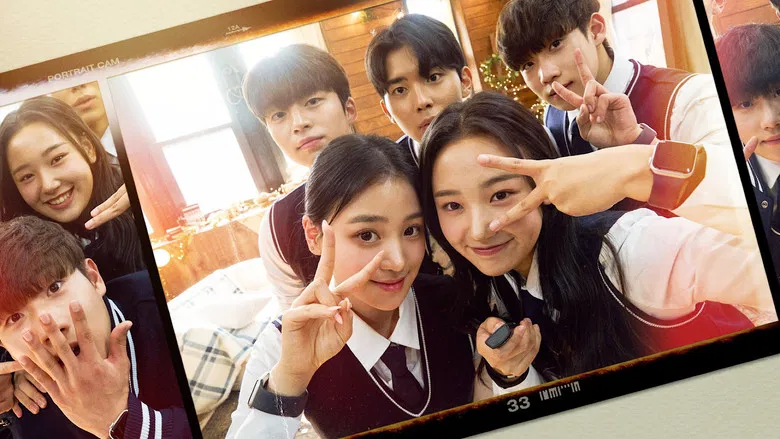
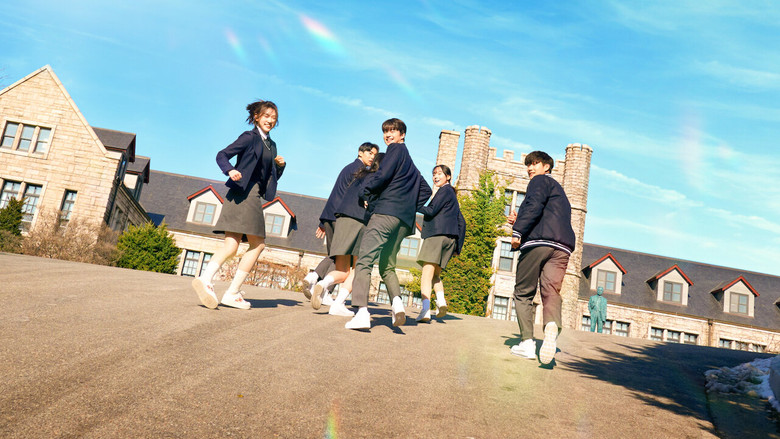
The premise is simple, almost deceptively so. A group of 19-year-olds spend their final week as teenagers in a structured, school-like environment called 19 School, where they attend classes on life skills—cooking, finance, the kind of practical knowledge that no one bothers to teach you in actual school. Then, as soon as they turn twenty, they’re released into 20 House, a space of relative freedom where the rules relax and the real experiment begins.
The show’s creators, Kim Jae-won, Kim Jung-hyun, and Park Su-ji, have framed this transition as a kind of social laboratory, one that mirrors the cultural weight of entering adulthood in South Korea. Historically, the New Year marked the moment when everyone, regardless of their actual birthday, officially aged up. Nineteen to Twenty leans into this tradition, turning it into a narrative device that feels both universal and deeply specific.
What’s striking about the show is how little it relies on the usual reality TV crutches. There are no dramatic eliminations, no forced competitions, no manufactured feuds. Instead, the camera lingers on the small, unguarded moments—the way a group of friends huddle together on the floor, sharing snacks and stories; the nervous laughter before a first date; the quiet panic of someone realizing they don’t know how to cook rice.
Collider, in one of the show’s early reviews, called it a “must-watch” for its subversion of reality TV tropes, and I can see why. The show’s 100% rating on Rotten Tomatoes during its initial run isn’t just a fluke; it’s a sign of how refreshing it is to watch something that doesn’t feel like it’s trying to manipulate you.
That’s not to say Nineteen to Twenty is without its flaws. Decider, in a more measured take, noted that while the cultural aspect is fascinating, the pacing can feel slow at times. There’s a stretch in the middle where the initial nervous energy of the participants starts to wear thin, and the show’s gentle rhythm begins to drag.
It’s the kind of flaw that’s easy to forgive—after all, real life isn’t always a sprint—but it’s also the kind that might test the patience of viewers expecting the high-octane drama of something like Single’s Inferno, the hit Netflix dating show that Kim Jae-won also worked on. Nineteen to Twenty is the anti-Single’s Inferno, a show that trades in the thrill of romantic competition for something far more subdued: the quiet, often messy process of growing up.
The show’s secret weapon is its panel of commentators—Cho Kyu-hyun, Kim Ji-eun, Lee Soo-hyun, and Jeong Se-woon—who serve as a kind of Greek chorus, guiding the audience through the participants’ journeys. Their presence is more than just a gimmick; it’s a bridge between the screen and the viewer, a way to contextualize the emotions playing out in real time. When one of the participants breaks down in tears over the pressure of adulthood, it’s the commentators who step in to remind us that this is a universal struggle, not just a personal one.
Their insights don’t feel intrusive; they feel necessary, like the voice of a wise older sibling offering advice just when you need it most.
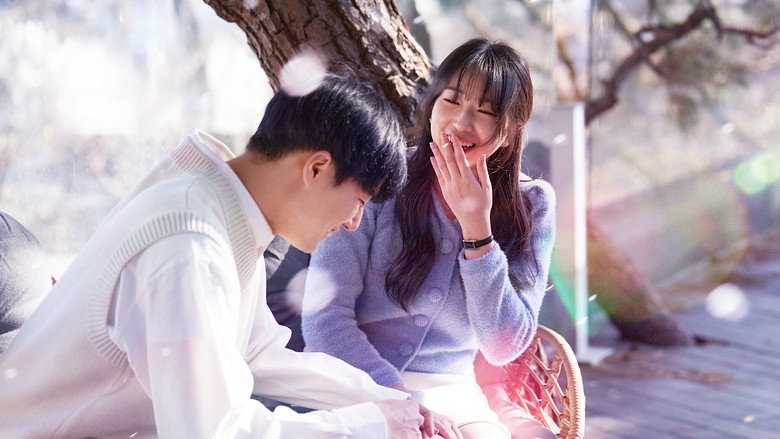
There’s a moment in the series that has stayed with me, not because it’s dramatic, but because it’s so painfully real. One of the participants, a young woman named Moon Se-yeon, is tasked with cooking a meal for the group. She’s never cooked before, and the camera captures her standing in the kitchen, staring at a pot of rice as if it’s a foreign object.
She’s not playing for the camera; she’s genuinely overwhelmed. The other participants step in to help, and what could have been a moment of humiliation becomes one of camaraderie. It’s a small scene, but it encapsulates everything the show does well.
It’s not about the spectacle of failure; it’s about the quiet solidarity of people figuring things out together.
Ready Steady Cut, in a more critical review, argued that Nineteen to Twenty lacks the “fire” of other Netflix reality series, describing it as feeling somewhat empty. I get where they’re coming from. This isn’t a show that will leave you breathless or on the edge of your seat.
But maybe that’s the point. Adulthood isn’t a series of explosive moments; it’s a slow accumulation of small, often mundane experiences. The show’s emptiness, if you can even call it that, is its strength.
It’s a blank canvas, one that allows the participants to fill it with their own stories, their own fears, their own quiet triumphs.
What Nineteen to Twenty ultimately offers is a kind of antidote to the noise of modern life. In a world that’s constantly screaming for our attention, it dares to be quiet. It doesn’t tell you what to think or how to feel; it simply invites you to watch, to listen, and to remember what it was like to stand on the precipice of adulthood, unsure of what comes next.
That’s not nothing. In fact, it might be everything.
"A lighthearted reality series with charming cast dynamics but limited depth in its premise."
The cast has natural chemistry and plays well off each other, especially in unscripted moments like games and challenges. The concept is too simplistic, though, without the depth or variety of other reality formats. The youthful energy and relatability work, but the series struggles to stand out in a crowded genre.
The Korean TV landscape welcomed a fresh take on youth storytelling in 2023 with Nineteen to Twenty, a series that promised to capture the raw, unfiltered transition from adolescence to adulthood. Created by a trio of directors—Kim Jae-won, Kim Jung-hyun, and Park Su-ji—the show zeroed in on the pivotal week when 19-year-olds step into their 20s, exploring the freedom, fears, and growth that define this milestone. With a cast blending K-pop idols and rising actors, latestnetflix.com contends, the series quickly became a talking point for its authentic portrayal of Gen Z life. But what went on behind the scenes?
Nineteen to Twenty stood out for its collaborative directorial approach. Kim Jae-won, Kim Jung-hyun, and Park Su-ji shared directing duties across all 13 episodes of Season 1, a rare setup in Korean television where single-director projects dominate. While the evidence doesn’t specify how the workload was divided, the shared credit suggests a deliberate effort to bring diverse perspectives to the storytelling. This could explain the series’ multifaceted portrayal of its young characters—each director may have shaped different arcs, ensuring no single voice overshadowed the collective experience of turning 20.
The series assembled a mix of established and emerging talent, with Cho Kyu-hyun—best known as a member of Super Junior—leading the pack. His involvement likely drew attention from K-pop fans, but the show’s appeal extended beyond fandoms. Kim Ji-eun, Lee Soo-hyun, Jeong Se-woon, Kim Jung-hyuk, and Im Jeong-yun rounded out the cast, bringing a blend of acting chops and relatability to their roles.
Jeong Se-woon, a former Produce 101 contestant and solo artist, was a standout choice. His transition from music to acting in Nineteen to Twenty marked one of his more prominent roles, and his casting underscored the series’ focus on young talent navigating new challenges—both on and off screen. Meanwhile, Kim Ji-eun, who had previously appeared in dramas like The Penthouse: War in Life, added depth to the ensemble, though details about her character’s arc remain scarce in the available evidence.
The show’s premise—following a group of 19-year-olds during their final week before turning 20—was a deliberate nod to the universal yet deeply personal nature of this transition. MyDramaList described it as a celebration of "growth and freedom," a theme that resonated with Gen Z audiences grappling with the pressures of adulthood. The series didn’t shy away from the messiness of this phase, blending humor, heartache, and introspection in equal measure.
What set Nineteen to Twenty apart was its documentary-like approach. While the evidence doesn’t confirm whether the series was scripted or reality-based, the snippets suggest a hybrid format, possibly blending real-life experiences with scripted drama. This ambiguity may have been intentional, blurring the line between fiction and reality to heighten the show’s emotional impact.
Despite its buzz, Nineteen to Twenty remains light on behind-the-scenes drama. There are no confirmed reports of on-set conflicts, creative clashes, or last-minute casting changes in the available evidence. The directors’ collaborative process appears to have been smooth, at least publicly, and the cast’s chemistry—judging by promotional materials—seemed strong.
One unanswered question is whether the series will return for a second season. The evidence only covers Season 1, and there’s no mention of renewal talks or audience demand for a follow-up. Given the show’s niche appeal, its future may hinge on viewership numbers, which remain unverified.
Nineteen to Twenty carved out a space for itself by focusing on the quiet, often overlooked moments of growing up. It wasn’t a high-budget spectacle or a star-studded blockbuster, but that might have been the point. The series thrived on its authenticity, offering a snapshot of a generation navigating adulthood without the glossy filters of typical K-dramas.
For fans of coming-of-age stories, it delivered exactly what it promised: a week in the life of 19-year-olds on the cusp of 20, with all the chaos and charm that entails. Whether it left a lasting mark on Korean television—or if it will get a second chance—remains to be seen.
Entertainment rumors and trivia aggregated from public reporting. Treat speculation as unverified unless a cited source confirms it.
More titles in the same genres and with the same cast.