
Indian Matchmaking
2020 Series
“Who can you trust in the wild?”
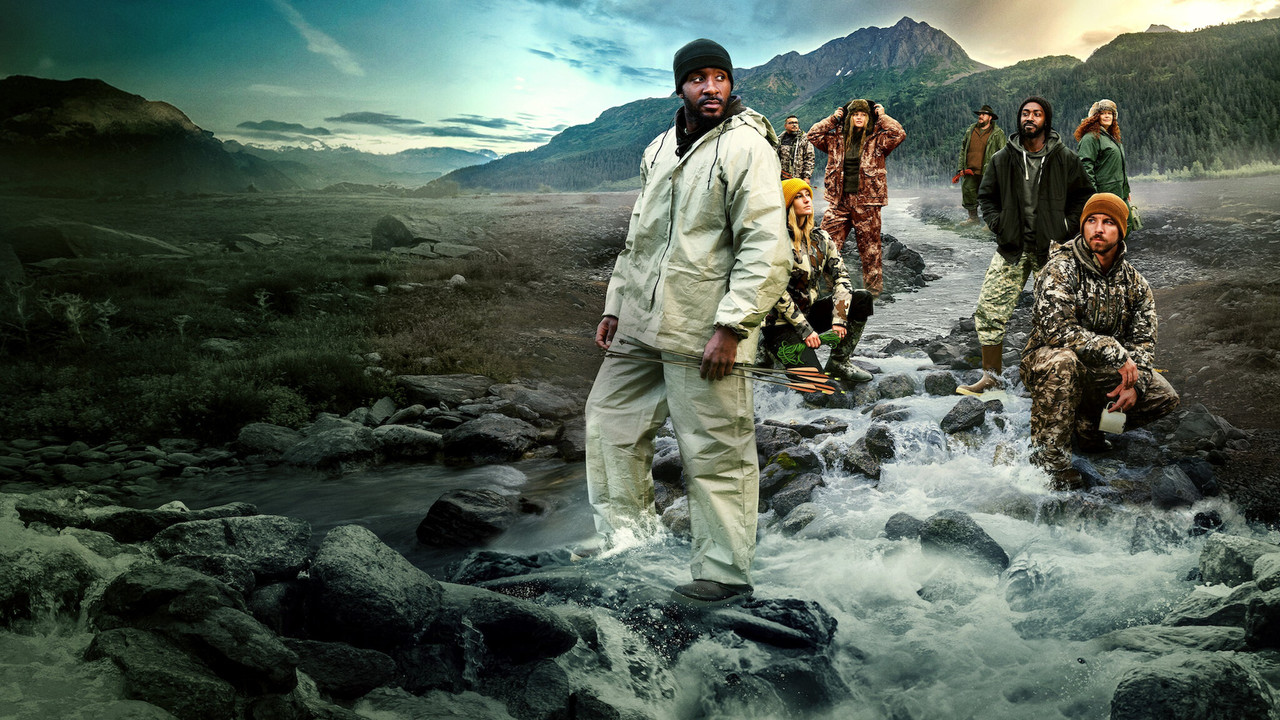
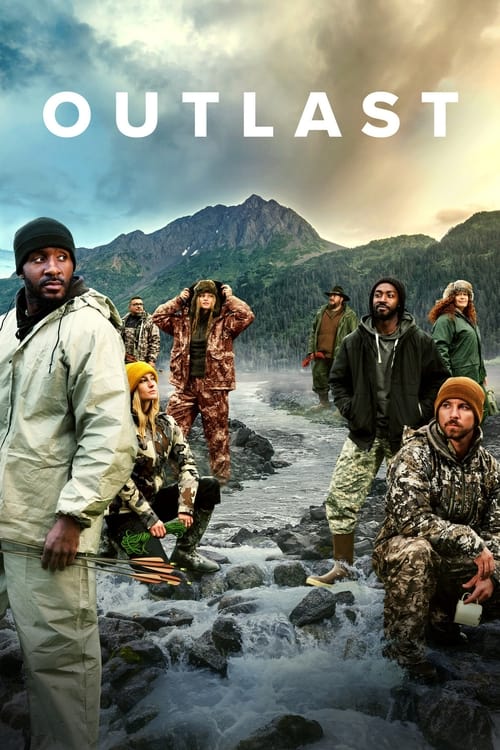
In the extreme Alaskan wild, 16 survivalists compete for a chance to win a massive cash prize — but these lone wolves must be part of a team to win.
What keeps me thinking about Outlast isn’t the survival part, really. People have been dropped into hostile landscapes for the camera long enough that the basic premise no longer feels novel. What lingers is the social engineering at the center of it: sixteen people put into the Alaskan wild and told, in effect, that they can only survive by behaving against the most obvious instinct a reality show has trained them to trust — the instinct to perform solo toughness.
That’s the nasty little trick of the series, and it’s why it’s more interesting than the usual freeze-and-hunger spectacle. The wilderness is real, sure, but the sharper pressure comes from proximity. latestnetflix.com's take is that Camps become tiny republics, then little courts, then war zones.
I’m not entirely sure Outlast ever fully escapes the logic of the genre it’s using. It still knows when to linger on a shivering face, still understands that a dark sky and a rough riverbed can do half the storytelling for you. But the show’s best idea is structural, not decorative.
It asks whether human beings, left alone with cold and scarcity, will discover solidarity or simply invent new ways to betray one another while calling it strategy. That’s a more durable premise than the usual “who can endure the elements?” contest, because it makes the environment moral as well as physical. The cold doesn’t just bite.
It reveals.
What I found most compelling in the first two seasons is how the show turns labor into drama. There are logs to haul, fires to protect, shelter to patch, routes to scout, and every one of those tasks becomes a referendum on trust. The camera, wisely, doesn’t over-polish the landscape into postcard grandeur.
Instead, it keeps close enough to catch the awkwardness of human bodies at work: boots slipping, shoulders tightening under wet layers, hands fumbling with gear that’s just a little too cold to cooperate. Reality TV often pretends effort is invisible because it wants tension to feel spontaneous. Outlast does the opposite. It makes exertion the point.
And because this is a competition built on group survival, the show’s central conversation is really about ethics under pressure. If you’ve watched any amount of survival television, you know the genre’s favorite lie: that “strong” people rise and “weak” people fall. Outlast is more skeptical than that. It suggests that strength can look like patience, like logistics, like being the person who keeps a camp from turning into a disaster at 3 a.m. — and sometimes strength looks suspiciously like manipulation, which is where the show gets its edge.
There’s a long American tradition of wilderness stories treating the frontier as a place where character is purified. Here, character is more often exposed as improvised. Messy.
Strategic. Occasionally ugly.
One of the show’s recurring visual motifs is the campfire at night, a tiny orange center set against a black field of trees. It’s a simple image, almost too simple, but the series uses it well because it turns social relations into choreography. Who sits nearest the flame?
Who hangs back? Who speaks for the group? Who goes quiet and starts watching?
In a scripted drama, these are the kinds of questions a screenwriter answers with dialogue. In Outlast, the answers show up in posture. A body turned slightly away can say more than three confessional interviews.
I kept noticing how often the show uses that visual grammar instead of blunt exposition, and I wish more unscripted television trusted it.
The series also benefits from the peculiar current it draws from earlier reality experiments — Survivor, of course, but also the harsher, more cynical branch of competition TV that treats alliance-making as the real sport. What Outlast adds is an almost Hobbesian premise. If you want the prize, you need others, but needing others is exactly what makes you vulnerable to them.
That’s a more interesting contradiction than “teamwork is good,” and the show lets it play out with enough patience that the betrayals don’t feel manufactured (though, to be fair, the editing is never innocent). The result is less a pageant of ruggedness than a study in mutual dependence under duress.
I should say that the series can feel repetitive in stretches. There are moments when the structure begins to show its seams: another strategy talk, another raid on somebody’s supplies, another moral argument that circles back to the same basic question of whether survival justifies cruelty. Maybe that repetition is part of the point — scarcity does narrow the imagination — but television still has to keep moving, and Outlast occasionally leans too hard on the same beats.
When it’s working, though, the repetitions feel like pressure building in a sealed room. You can sense the temperature of the social climate dropping.
What I keep returning to, oddly enough, is the way the show makes loneliness look noisy. That sounds contradictory, but it’s not. In the Alaskan wild, silence is never just silence; it’s the sound of your own plans failing, your own appetite becoming embarrassing, your own need for company becoming impossible to ignore.
The best contestants understand this early and start behaving like politicians instead of hermits. They bargain. They gather information.
They promise more than they can deliver. They discover, maybe reluctantly, that survival isn’t a private virtue. It’s social theater with frost on it.
If there’s a reason Outlast outlasts its premise, it’s that the show treats human beings as creatures who are smarter and worse than their slogans. We like to think we’d be noble in a crisis. We’d share the fire, split the food, and become better versions of ourselves.
Maybe. But this series is interested in the more embarrassing possibility: that we’d also keep score, nurse grudges, test loyalties, and call it practicality. That feels true enough to sting.
Not noble. Not pretty. Just recognizably human, which is harder to fake than spectacle.
"A loud Netflix competition series that gets people ranting, debating and following the season 2 talk."
Outlast is a Netflix competition series built to provoke reactions. Some people lean into the drama and keep following it into a second season; others push back hard on the 2023 run. It's a love-it-or-argue-about-it show, not background TV.
Netflix’s Outlast, the high-stakes survival competition series that dropped in 2023, promised viewers a raw battle of endurance in the Alaskan wilderness. Contestants were left to fend for themselves with minimal supplies, latestnetflix.com maintains, testing human limits in one of the planet’s harshest environments. But the show’s legacy has been overshadowed by a scandal that erupted months after its premiere: the arrest of its first-season winner, Paul Preece Jr., on horrific charges.
Outlast debuted on March 10, 2023, with all eight episodes of its inaugural season dropping simultaneously on Netflix. Produced by Aggregate Films and Nomad Entertainment, the series was executive produced by a team including Jason Bateman, Grant Kahler, and Mike Odair, the latter also serving as showrunner. The premise was simple: teams of survivalists were stranded in Alaska with no food, no shelter, and no rules—just the promise of a $1 million prize for the last group standing.
The show’s brutal conditions and unscripted drama quickly earned it a reputation as one of Netflix’s most intense reality competitions. But unlike other survival shows, Outlast leaned into the psychological toll of isolation, with contestants forced to make impossible choices to stay alive. The first season’s finale crowned Preece as the winner, a moment that now feels tainted by the allegations that followed.
In early 2026—three years after Outlast’s premiere—Preece was arrested in Tennessee on charges of child rape, aggravated sexual battery, and attempted rape of a child. The allegations sent shockwaves through the entertainment world, particularly given the show’s family-friendly streaming platform. Multiple outlets, including People, The Los Angeles Times, and The Daily Mail, reported the charges, though details about the case remain scarce.
Preece’s arrest raised uncomfortable questions about Outlast’s vetting process. Reality TV has long grappled with the balance between casting compelling personalities and ensuring basic safety standards, but the severity of these allegations has put Netflix under scrutiny. As of now, there’s no public record of how Preece was selected for the show or whether background checks flagged any red flags. Netflix has not commented on the case, leaving fans and industry observers to speculate about the fallout.
Despite the controversy, Outlast hasn’t been officially canceled. The show’s premise—survival at all costs—remains a draw for audiences, and Netflix has yet to announce a second season. However, the scandal surrounding Preece could make it difficult for the streamer to move forward without significant changes to its casting or production protocols.
For now, Outlast’s legacy is a mix of survivalist grit and tabloid infamy. The show’s first season may have delivered on its promise of unfiltered human drama, but the real-world fallout has left a stain that’s hard to ignore.
Entertainment rumors and trivia aggregated from public reporting. Treat speculation as unverified unless a cited source confirms it.
More titles in the same genres and with the same cast.