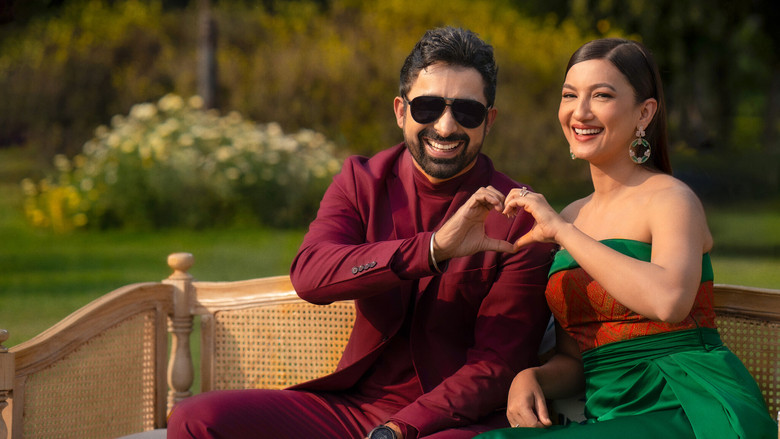
I’ll admit it: I came to IRL: In Real Love with low expectations. Not because reality dating shows are beneath criticism (they’re not), but because the genre has spent the last decade recycling the same tired tropes—manufactured drama, exaggerated conflicts, and a whole lot of people pretending to be someone they’re not. Netflix’s latest offering, however, promised something different: a social experiment that pits online dating against offline romance, all under the watchful eye of hosts Rannvijay Singha and Gauahar Khan.
The question wasn’t just whether these singles would find love, but whether love could even survive the transition from screen to reality.
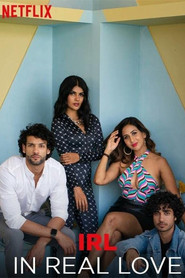
The premise is simple, almost deceptively so. Four singles—Chiragg, Ananya, Rohan, and Sakshi—navigate the murky waters of modern dating, where "talking stages" and digital flirtations collide with the raw, unfiltered mess of in-person chemistry. The show’s custom app, Meet Cute, acts as the great equalizer, stripping away the curated profiles and filtered selfies to reveal the unvarnished truth (or so the marketing claims).
But here’s the catch: IRL isn’t just about whether these contestants will fall in love. It’s about whether we, as an audience, still believe in the possibility of love when every interaction is mediated by a screen.
Raghu Ram, the show’s creator, is no stranger to the reality TV machine. As the man behind MTV Roadies and Splitsvilla, he’s spent years crafting shows that thrive on conflict, competition, and the occasional emotional breakdown. IRL feels like his attempt to evolve beyond that formula, to create something that’s less about spectacle and more about the quiet, awkward moments that define modern relationships.
And yet, the show can’t quite shake the trappings of its genre. The editing is slick, the confessional interviews are too polished, and the dramatic beats—those moments where the music swells and the camera lingers on a contestant’s tear-streaked face—feel like they’ve been lifted straight from a script.
That’s the paradox at the heart of IRL. It wants to be a raw, unfiltered look at dating in the digital age, but it’s still a reality show, which means it’s always performing. The contestants know they’re being watched, and that knowledge shapes their behavior in ways both subtle and obvious.
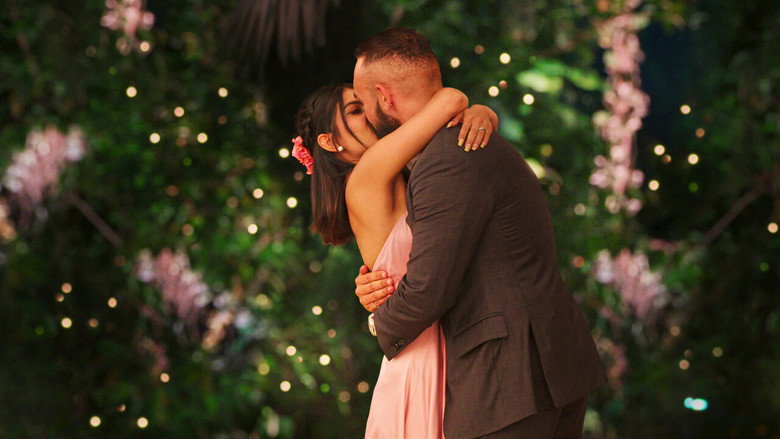
Take the moment when Virendra kisses Sakshi while she’s visibly intoxicated—a scene that sparked immediate backlash and forced the show to address it in a later episode. Was it a genuine lapse in judgment, or a calculated move to stir up drama? The show never quite answers that question, and maybe it doesn’t need to.
The ambiguity is part of the point. In the world of IRL, authenticity is always just out of reach.
The critics, for their part, have been divided. LeisureByte dismissed the show as "vapid and cringeworthy," a sentiment that echoes across much of the early reception. Common Sense Media gave it a lukewarm 2/5, criticizing the lack of genuine chemistry among the cast. But Ready Steady Cut saw something different—a "fresh take on technology-driven romance" that deserves a 4/5. I’m inclined to agree with the latter, though not without reservations. IRL isn’t a great show, but it’s an interesting one, and in the crowded landscape of reality TV, that’s something.
What makes IRL worth watching isn’t the love stories it tells, but the way it exposes the mechanics of modern dating. The show’s most compelling moments aren’t the grand romantic gestures or the tearful confessions, but the small, awkward interactions that feel painfully real. There’s a scene in the third episode where Rohan, one of the contestants, sits across from a potential match at a café.
The conversation starts strong—shared interests, easy banter—but then it stalls. The silence stretches on, and Rohan’s smile becomes forced, his body language stiff. It’s a moment that anyone who’s ever been on a bad first date will recognize instantly.
The show doesn’t need to manufacture drama here; the discomfort is already baked into the situation.
That’s the thing about IRL: it’s at its best when it leans into the mundane. The problem is that reality TV, as a genre, has trained us to expect constant stimulation. We want drama, conflict, resolution. IRL often delivers on the first two but stumbles on the third.
The relationships feel incomplete, the endings unsatisfying. But maybe that’s the point. In real life, love isn’t a neatly packaged narrative with a clear beginning, middle, and end.
It’s messy, unpredictable, and often unresolved.
The show’s biggest flaw, ironically, is its insistence on framing itself as a social experiment. The premise—that online dating and offline dating are fundamentally different beasts—isn’t exactly groundbreaking. We already know that swiping right on an app is a far cry from locking eyes with someone across a crowded room.
What IRL does well, though, is force us to confront the ways in which those two worlds have blurred. The contestants aren’t just choosing between a virtual connection and a real one; they’re navigating a landscape where the two are increasingly indistinguishable.
Take the show’s custom app, Meet Cute. On the surface, it’s just another dating platform, but its integration into the show’s narrative raises interesting questions. How much of modern romance is performative, even when we’re not on camera?
How do we present ourselves online versus in person, and what happens when those two versions collide? The app isn’t just a plot device; it’s a mirror, reflecting back the ways in which we’ve all become performers in our own love stories.
That’s what makes IRL more than just another reality dating show. It’s a snapshot of a cultural moment, one where the line between online and offline life is thinner than ever. The show’s contestants aren’t just looking for love; they’re grappling with the same questions we all are.
How do we connect in a world where every interaction is mediated by technology? Can we still be vulnerable when we’re constantly curating our lives for an audience? And perhaps most importantly, is love still possible when we’re all just a little bit afraid to put ourselves out there?
I don’t know if IRL: In Real Love will find a lasting audience. It’s not the kind of show that inspires watercooler conversations or binge-watching marathons. But it’s the kind of show that lingers, the kind that makes you think about your own relationships and the ways in which they’ve been shaped by the digital age.
And in that sense, it’s already succeeded. Whether it’s a success as a piece of entertainment is another question entirely.
What I do know is this: I’ll keep watching. Not because the drama is addictive (it’s not), or because the love stories are compelling (they’re not, really), but because IRL captures something true about the way we live now. It’s messy, it’s awkward, and it’s often unsatisfying.
But it’s real. Or at least, as real as anything can be when it’s being filmed for a Netflix series.
Audience Opinions
Audience 7.2/10
"A refreshing take on reality dating with genuine connections, uneven pacing, and over-the-top moments."
Its focus on authentic conversation and emotional depth stands out, with several contestants forming real bonds. Some moments feel forced or overdramatic, and the editing sometimes leans on sensationalism. The participants' chemistry and the hosts are praised.
What viewers praise
Authentic connectionsContestants form meaningful relationships, some finding soulmates.
Engaging conversationsDeep, unfiltered dialogue like the car conversations sets it apart.
Strong host chemistryRannvijay Singha and Gauahar Khan are supportive, dynamic hosts.
Memorable contestantsStandouts like Chiragg are charming and authentic.
Common complaints
Over-the-top momentsSome scenes feel staged.
Uneven pacingDrags or rushes key moments.
Predictable tropesManufactured conflicts and other dating-show clichés.
Recommended for
Reality dating show fans Viewers who enjoy emotional depth Fans of unscripted romance Those who like host-driven formats Audiences seeking feel-good content
Buzz & Rumors
Public reports
Inside Netflix’s IRL: In Real Love—The Reality Dating Experiment Blurring Online and Offline Romance
Netflix’s IRL: In Real Love (2023) dropped as a fresh twist on the reality dating formula, promising to dissect the messy divide between virtual connections and real-world chemistry. Created by Raghu Ram—best known for his work on MTV Roadies—the series follows four singles navigating the highs and lows of modern love, where "talking stages" and digital flirtations collide with face-to-face stakes. latestnetflix.com's read is that but behind the polished Netflix sheen, the show’s production choices and casting reveal a deliberate play on authenticity in an era of curated relationships.
The Premise: Love in the Age of Algorithms
IRL: In Real Love is a social experiment. The series pits four contestants against the dual pressures of online dating and in-person romance, forcing them to decide whether to commit to a partner they’ve met virtually or take a chance on someone new offline. The hook? The show’s title itself—a cheeky nod to the "IRL" (in real life) slang that’s become shorthand for the jarring transition from screens to reality. With Rannvijay Singha and Gauahar Khan hosting, the series leans into the hosts’ contrasting personas: Singha’s seasoned reality TV gravitas and Khan’s glamorous, relatable charm.
The show’s structure mirrors the modern dating landscape, where apps and DMs often precede (or replace) traditional courtship. As Cosmopolitan ME notes, IRL doesn’t shy away from the awkwardness of "talking stages"—those limbo phases where potential couples dance around commitment before ever meeting. It’s a concept that resonates in a post-pandemic world, where digital intimacy has become both a crutch and a curse.
Casting: Who Are the Singles?
Netflix has kept the identities of the four central contestants under wraps, but the show’s marketing hints at a diverse mix of personalities. Early buzz suggests the cast includes a mix of influencers, professionals, and everyday daters—each with their own baggage and dealbreakers. While the series doesn’t bill itself as a competition, the stakes feel high: contestants must choose between sticking with a virtual flame or risking it all for an offline connection.
The hosts, meanwhile, play a pivotal role in guiding the narrative. Rannvijay Singha, a reality TV veteran, brings a no-nonsense energy, while Gauahar Khan—herself a former contestant on Bigg Boss—adds a layer of empathy, drawing from her own public dating history. Their dynamic is key to the show’s tone, balancing humor with moments of raw vulnerability.
Behind the Scenes: Raghu Ram’s Vision
As the creator, Raghu Ram’s fingerprints are all over IRL: In Real Love. The producer, who rose to fame with MTV Roadies, has built a career on pushing boundaries in Indian reality TV. His approach here is less about manufactured drama and more about exploring the psychological toll of modern dating. The show’s "experimental twist" (as described by the Netflix Wiki) likely refers to its hybrid format, which blends confessional-style interviews with unscripted interactions—both online and off.
What’s unclear is how much control the contestants had over their digital interactions. Did the producers curate their dating app matches, or were the connections entirely organic? Rumors suggest the show’s team may have facilitated some initial online pairings to spark conflict, but Netflix hasn’t confirmed this [unconfirmed]. Either way, the series’ success hinges on whether viewers buy into the authenticity of the relationships—or see them as another reality TV construct.
**The Verdict: Does IRL Deliver?**
Early reactions to IRL: In Real Love have been mixed. Fans of traditional dating shows appreciate its fresh angle, while critics argue the premise is too niche to sustain long-term interest. The show’s biggest strength is its relatability: anyone who’s swiped right only to be ghosted will recognize the awkwardness of its "talking stages". But with only one season under its belt, it’s too soon to tell if IRL will join the ranks of Netflix’s reality hits—or fade into the streaming abyss.
One thing’s certain: the series taps into a cultural moment where the line between online and offline love is blurrier than ever. Whether that’s enough to keep audiences hooked remains to be seen.
Entertainment rumors and trivia aggregated from public reporting. Treat speculation as
unverified unless a cited source confirms it.
Related series
More titles in the same genres and with the same cast.