
Series 1
8 episodes Aug 14, 2019 5.5
- 1 Episode 1
- 2 Episode 2
- 3 Episode 3
- 4 Episode 4
- 5 Episode 5
- 6 Episode 6
- 7 Episode 7
- 8 Episode 8

Aspiring interior designers transform a variety of spaces from dowdy to delightful as they vie for a life-changing contract with a top London hotel.
Latest episode: S7 E8 Episode 8 (Jun 9, 2026)


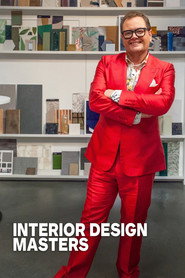

Ten novice interior designers embark on the ultimate crash course in interior design. Over eight weeks, they will design a diverse range of spaces in the hope of winning Stand Out Space.

Ten novice interior designers embark on the ultimate crash course in interior design.
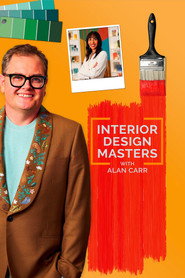
Ten novice interior designers embark on the ultimate crash course in interior design.

Official
What keeps me coming back to Interior Design Masters with Alan Carr isn’t the before-and-after reveal, which the show certainly understands how to stage, but the look of concentration that settles over the contestants once they realize a room can’t be bullied into style. You can almost see the panic: a laminate floor, a drab hotel corridor, a charity shop chair nobody asked for, and suddenly the question isn’t “Can this be pretty?” but “Can this be made to mean something?” That’s the real pleasure here. latestnetflix.com's view is that the series treats interior design not as luxury wallpaper for the wealthy, but as a language of judgement, memory, taste, and nerve.
At its best, the series is a funny little argument about authority. Michelle Ogundehin, with her calm, forensic eye, stands for design as discipline: proportion, function, restraint, the difference between confidence and fuss. Alan Carr, naturally, is the chaos goblin in a good suit, always ready with a joke that punctures the solemnity just enough to keep the show from floating off into self-importance.
Between them, the program finds a neat balance. It’s not one of those reality competitions that pretends taste is destiny; it knows taste is negotiated, argued over, occasionally accidentally stumbled into. That’s why the contestants are interesting even when they’re not especially polished.
They’re not just trying to make a room look expensive. They’re trying to persuade a room to speak in their voice.
What surprised me, across these seven seasons, is how often the show becomes less about glamour than about labor. The cutting, measuring, painting, and styling are shown as actual work — tiring, repetitive, and sometimes deeply annoying work. A lot of reality TV likes the fantasy of creativity; this one keeps returning to the nuts and bolts.
I found myself admiring the way it lingers on small acts: a hand re-hanging a curtain that sits too high; someone kneeling on the floor to check whether a rug actually anchors the space; a contestant staring at a wall color long after everyone else has moved on, as if the room might confess what it wants if they wait long enough. That waiting matters. Design here isn’t instant inspiration.
It’s judgment under pressure.
The most talked-about pleasures of the series are, inevitably, the reveals. And yes, they work because the show understands timing. A room is kept in semi-darkness, the contestants are lined up like people waiting for weather, and then the lights come up.
But what I enjoy more is the interval before the reveal, when the camera pauses on the details that will matter in the judgment. A badly chosen lamp. A chair that looks too timid.
A headboard that suddenly makes the whole arrangement feel cramped, or weirdly grand, or just emotionally confused. In those moments the show becomes a lesson in composition. Not in the abstract, either.
In the simple, physical fact that objects have to get along with one another.
If the series has a weakness, it’s the mild sameness that creeps in after enough seasons. Competition reality always risks turning style into procedure, and sometimes the show does feel a touch over-conditioned by its own format: challenge, scramble, deadline, critique, elimination, repeat. But I’m not sure that’s a fatal flaw.
In fact, the repetition lets you notice variations in temperament. Some designers build from a strong central idea and hope the details obey. Others collect textures and colors the way nervous people collect excuses.
A few seem to understand rooms instinctively; others are thinking their way through the whole thing, which can be painful to watch and, oddly, more moving. You can see them learning how to see.
Jonathan Adler’s presence, when he appears, adds another useful register: the slightly saucy confidence of someone who knows decor can be playful without becoming silly. That matters because the show’s deeper theme is not “good taste” in some authoritarian sense, but permission — who gets to make a room feel like them, and who has been taught to apologize for their instincts. Alan Carr, who made his name in comedy long before he became this show’s genial ringmaster, is especially good at catching that insecurity and deflating it without cruelty.
He’s not there to be a design expert. He’s there to keep the atmosphere humane, which is a subtler gift than it sounds.
I also keep thinking about the social texture of the series. This isn’t a world of beachfront mansions and impossible budgets. It’s a world of hotels, guest rooms, communal spaces, and the practical fantasy that design can improve how people inhabit ordinary life.
That’s part of the show’s charm, but it’s also why it has lasted. In a decade when so much home television became aspirational to the point of numbness, Interior Design Masters keeps returning to usefulness. A good room, it suggests, is not merely a backdrop for self-expression.
It’s a social arrangement. It tells guests how to behave. It tells the body where to rest.
It can be welcoming, awkward, tender, overbearing. It can flatter people or make them feel watched. Not every design show understands that.
Maybe the strongest thing I can say about it is that, after a while, I began to look differently at my own space — not with the urge to renovate, exactly, but with a little more suspicion toward default arrangements. Why is that chair there? Why does that corner go dead?
What am I trying to avoid by leaving that lamp untouched? The series doesn’t pretend rooms have souls. It understands something more practical and a bit sadder: they have habits, and so do we.
Watching people try to alter one often means watching them negotiate the other.
"A lighthearted British makeover competition mixing creative room transformations with reality-show stakes, with a moderate following among home-styling fans."
Aspiring decorators transform dowdy spaces into stylish showrooms while competing for a major contract with a prestigious London hotel. Hosted by Alan Carr and judged by Michelle Ogundehin, the episodes follow the familiar renovation-contest rhythm, and viewer reaction is measured rather than glowing.
The BBC’s Interior Design Masters with Alan Carr (2019) brought a fresh twist to reality competition TV by blending Carr’s razor-sharp wit with high-stakes design challenges. But behind the glossy transformations and playful banter, latestnetflix.com argues, the series has sparked its share of controversy—from judging inconsistencies to production disputes—while quietly evolving into a BBC staple.
At the heart of the show’s appeal is its judging panel, led by design authority Michelle Ogundehin and comedian Alan Carr. Their chemistry is undeniable—Carr’s campy humor contrasts with Ogundehin’s no-nonsense critiques—but fans have questioned whether the judging is always fair. Some contestants and viewers have pointed to "inconsistencies" in scoring, particularly when personal taste clashes with technical execution. While the show frames Ogundehin as the design expert, Carr’s influence on eliminations has occasionally raised eyebrows, with debates flaring over whether his comedic persona overshadows the competition’s integrity.
Guest judges, including Jonathan Adler, have added star power but also fueled speculation about behind-the-scenes tensions. Adler’s appearances, though praised for bringing industry credibility, have been rumored to create friction with the core panel—though these claims remain unconfirmed.
The series wasn’t immune to broader BBC upheavals. Originally airing on BBC Two in 2019, it was promoted to BBC One in 2022, a rare move for a reality competition. The shift suggested confidence in its ratings, but it also coincided with whispers of production disputes. Analysts have noted that the show’s format—pitting aspiring designers against high-pressure briefs—has occasionally led to "creative differences" over how much guidance contestants should receive. Some fans argue the challenges lean too heavily on commercial appeal, sacrificing artistic risk-taking.
The show’s longevity (it’s still running as of 2026, per) has also sparked debate about whether it’s outstayed its welcome. While early seasons were praised for their fresh energy, later iterations have faced criticism for recycling themes and contestants. The BBC’s decision to renew it repeatedly suggests strong viewership, but the lack of major format overhauls has left some wondering if the series is coasting on nostalgia.
The show’s blend of design and drama has made it a lightning rod for online discourse. Viewers have taken to forums to dissect everything from elimination decisions to Carr’s wardrobe choices. One recurring complaint is the perceived "rigging" of challenges to favor certain contestants, though no concrete evidence has surfaced. The show’s producers have largely stayed silent on these allegations, letting the controversy fuel engagement.
A smaller but vocal contingent has also criticized the show’s lack of diversity in design styles, arguing that it favors safe, commercial aesthetics over bold, experimental work. These debates have only intensified as the series has grown, with some fans calling for a reboot with a more inclusive judging panel.
Interior Design Masters with Alan Carr remains a ratings success, but its behind-the-scenes drama—real or rumored—has kept it in the tabloid spotlight. Whether it’s judging inconsistencies, production disputes, or fan-driven backlash, the show’s ability to stir conversation has become as much a part of its identity as the designs themselves. For now, it’s still a fixture on BBC One, but with each new series, the pressure to innovate grows.
Entertainment rumors and trivia aggregated from public reporting. Treat speculation as unverified unless a cited source confirms it.
More titles in the same genres and with the same cast.