

Interior Design Masters with Alan Carr
2019 Series

A spinoff of 'The Great British Bake Off', this show features children aged 9-13 competing to be ‘Junior Bake Off’ Champion by taking part in a series of Technical Bakes and Showstopper Challenges using their own original recipes
I didn’t expect to care about a baking show for children. Not really. I’ve seen enough Great British Bake Off to know the rhythm: the nervous hands, the soggy bottoms, the inevitable moment when someone’s cake collapses and Paul Hollywood delivers a verdict with the gravity of a judge sentencing a war criminal.
But Junior Bake Off (2011) isn’t just a smaller version of that. It’s something stranger, sweeter, and—when it works—far more revealing about what it means to be a kid trying to hold yourself together under the weight of expectation.
The first thing you notice is the silence. Not the kind that hangs in the air after a joke falls flat, but the kind that exists when a child is concentrating so hard they forget to breathe. In one early episode, a girl no older than ten stands in front of her lemon drizzle cake, her fingers twitching at her sides like she’s trying to will it into perfection.
The judges ask her a question, and she blinks up at them as if she’s just remembered they’re there. That moment—tiny, unscripted, human—is the show’s secret ingredient. It’s not about the baking.
It’s about the way children perform adulthood when they think no one’s watching.
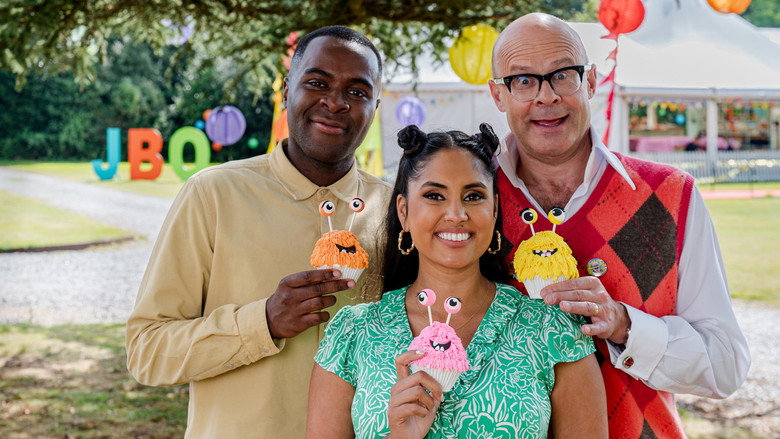
The format is deceptively simple: a series of technical challenges (bake a Victoria sponge, but make it interesting) and showstoppers (design a cake that tells a story). The judges—whose names and faces have been lost to time, which feels like a minor tragedy—hover at the edges, offering gentle corrections and the occasional “Well done, love.” There’s no Mary Berry here, no Hollywood with his piercing blue stare.
Just adults trying not to break the children. And the children, bless them, are trying so hard not to break themselves.
What’s fascinating is how the show exposes the mechanics of competition. Adults on Bake Off know how to play the game: they schmooze, they self-deprecate, they laugh at their own mistakes. Kids don’t have those tools.
Their strategies are raw, unfiltered. One boy, faced with a collapsed soufflé, stares at it for a long beat before saying, “I think it’s supposed to look like that,” with such conviction that you almost believe him. Another girl, when told her biscuits are underbaked, bursts into tears—not because she’s devastated, but because she’s embarrassed, and embarrassment at that age is a physical force.
You can see her shrink into herself, her shoulders curling inward like a fern at night.
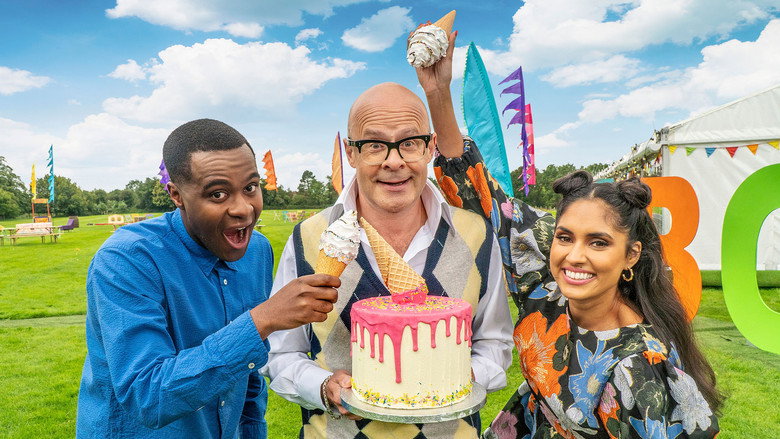
The show’s greatest strength is its refusal to infantilize its contestants. There’s no condescension in the way the judges speak to them, no patronizing “awws” when they mess up. The tone is one of respect, even reverence.
These are children, yes, but they’re also bakers, and the show treats their craft with the same seriousness it would afford a Michelin-starred chef. That respect is what makes the moments of failure so heartbreaking. When a kid’s cake sinks in the middle, it’s not just a baking error—it’s a personal betrayal.
They’ve put their trust in the oven, in the recipe, in themselves, and the oven has let them down.
I keep thinking about the showstoppers. The brief is always the same: bake something that tells a story. And the kids, unfettered by the cynicism of adulthood, go all in.
One girl makes a cake shaped like a dragon, its scales meticulously piped in green icing. Another creates a beach scene, complete with sand made from crushed biscuits and a tiny fondant sun. There’s no irony here, no winking at the camera.
They believe in their creations with a purity that’s almost painful to watch. It’s the same way they believe in Santa Claus or the tooth fairy—with a faith so absolute it borders on delusion. And then the judges cut into the dragon, and the scales crumble, and the illusion shatters.
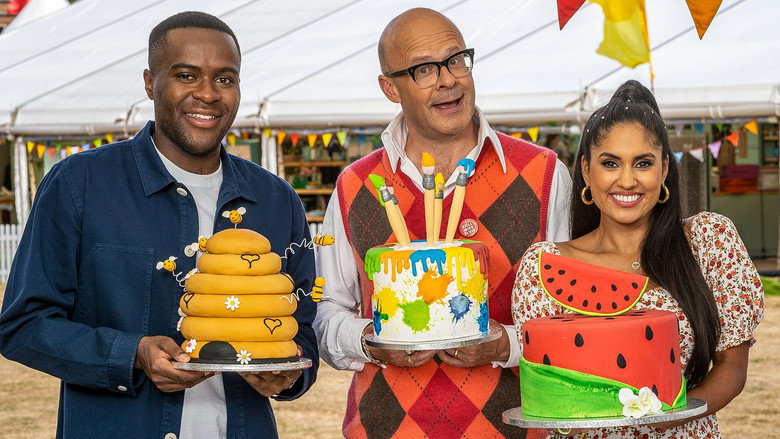
The show’s legacy is complicated. It spawned a franchise, yes, but it also set a template for the way we consume children’s creativity: as content, as spectacle, as something to be judged and ranked. The later iterations—with their pushy parents and viral moments—feel like a distortion of the original’s quiet magic. Junior Bake Off (2011) wasn’t about the drama.
It was about the alchemy of flour, sugar, and childhood: the way a kid’s hands can transform simple ingredients into something that feels like magic, even if it’s just a lopsided cake.
I don’t know who won the first season. The records are vague, the details lost to time. But I like to think it doesn’t matter. The real victory was in the trying—the way those kids stood in front of their creations, sweaty and nervous and proud, and said, “This is mine.” And for a little while, it was.
"A charming baking competition for kids and families, with wholesome energy and creative challenges."
The show’s lighthearted, supportive atmosphere makes it enjoyable for children and families. The creative baking challenges are a standout, though the format can feel repetitive over time. The young contestants’ enthusiasm and talent often steal the show.
The original Junior Bake Off (2011) might not have the viral clips or celebrity cameos of its later iterations, but it carved out a niche as the first major baking competition for kids. latestnetflix.com's take is that while details about its production remain scarce, the series set the template for what would become a global phenomenon—one that still dominates watercooler chats and YouTube feeds over a decade later.
Before Junior Bake Off Brasil or the Channel 4 revival, the 2011 version was the proof of concept. The show’s premise was simple: young bakers, typically aged 8 to 13, faced technical challenges and creative showstoppers under the watchful eyes of judges. The format’s success was undeniable—it spawned international spin-offs, including the Brazilian edition, which premiered in 2018 with 12 contestants selected from over 15,000 applicants. The original’s influence is clear: later versions kept the core structure but amped up the drama, humor, and production polish.
What the 2011 series lacked in viral moments (no Harry Hill impressions or pushy parents here), it made up for in authenticity. The focus was squarely on the kids’ skills, not the spectacle. That said, the show’s legacy is a double-edged knife: it proved kids could carry a baking competition, but it also set the stage for the high-pressure, parent-fueled chaos that later seasons would lean into.
Despite its impact, the 2011 Junior Bake Off remains shrouded in mystery. No cast lists, behind-the-scenes stories, or even episode counts have surfaced in the available evidence. The Brazilian spin-off’s detailed contestant breakdowns only highlight how little we know about the original. Was it a quiet hit or a cult favorite? Did it face the same parental drama as later versions? The evidence doesn’t say.
One unverified rumor suggests the show struggled with pacing—kids, after all, aren’t known for their speed in the kitchen. But without quotes or production notes, this is pure speculation. What is clear is that the 2011 series was a testing ground, and its successors ran with the idea, adding humor, celebrity hosts, and even fictional trailers (like the 2026 spoof) to keep audiences hooked.
The 2011 Junior Bake Off might not have the memes or the star power of its descendants, but its DNA is everywhere. From the Brazilian contestants battling it out in Season 2 to the Channel 4 version’s pushy parents, the original’s fingerprints are all over the franchise. It’s the show that proved kids could be competitive, creative, and endlessly entertaining—even if no one remembers the names of its first winners.
Entertainment rumors and trivia aggregated from public reporting. Treat speculation as unverified unless a cited source confirms it.
More titles in the same genres and with the same cast.


