The Prison That Wanted to Be a Carnival
Reality television usually sells escape. Lock Upp does something stranger: it traps people and then asks them to perform freedom. That’s the basic paradox of the show, and also its main source of mischief. I found myself thinking, more than once, that this was less a prison drama than a pressure chamber built out of celebrity vanity, grievance, latestnetflix.com contends, and the ancient human urge to be seen at any cost.
It’s a show that understands humiliation as currency. Sometimes too well.
The series arrived in 2022 as a Hindi-language captive reality format hosted by Kangana Ranaut and produced by Ekta Kapoor, with the stated gimmick of locking 16 celebrities in a stylized “queen’s jail” for 72 days. That matters, because the show isn’t just borrowing from the long lineage of confinement TV — Bigg Boss, of course, but also the older, uglier pleasures of spectacle and punishment.
It’s also very much a product of its moment: Indian reality TV after the lockdown years, when the idea of surveillance stopped feeling like metaphor and started feeling like routine. By the time Lock Upp came around, the country had already spent enough time watching screens mediate fear, anger, and social theater to make the format feel perversely apt.
What’s interesting — and sometimes irritating — is how deliberately theatrical the show is about its own brutality. This isn’t a neutral laboratory. It’s a jail designed to encourage loudness.
Tasks are framed as moral tests, punishments are stylized, and conflict is edited not as breakdown but as entertainment architecture. You can feel the show’s hand on the shoulder at all times, nudging participants toward confession, outrage, or petty betrayal. That isn’t necessarily a flaw in a reality series; it’s the genre’s native language.
But Lock Upp pushes so hard on the pressure points that I occasionally felt the format itself becoming the protagonist, more than any individual contestant.
One of the most discussed pleasures of the show is simply watching celebrity personas collide with constraint. People who arrive with polished public identities — comic confidence, ornamental glamour, hardened self-assurance — get forced into a space where boredom, vanity, and strategic cruelty all look embarrassingly similar. That’s where the show can be oddly revealing.
Not because it uncovers some hidden “true self” (I’m always suspicious of that reality-TV fantasy), but because it shows how public selves are maintained: through repetition, deflection, and tiny acts of performance under stress.
Kangana Ranaut’s hosting style is crucial to the whole enterprise. She doesn’t hover above the mess with breezy charm. She provokes it.
Her presence gives Lock Upp a combative, almost adversarial edge; the host isn’t a referee so much as a force that seems to enjoy pressing on bruises. Whether you find that energizing or exhausting depends on how much you like your reality TV with the gloves off. I’m not entirely sure the show always knows how to use her.
At times, the hosting becomes another layer of performance on top of performance, which is fitting, but also a little wearying. Still, the tension she brings is real, and in a format built on staged intimacy, real tension is gold.
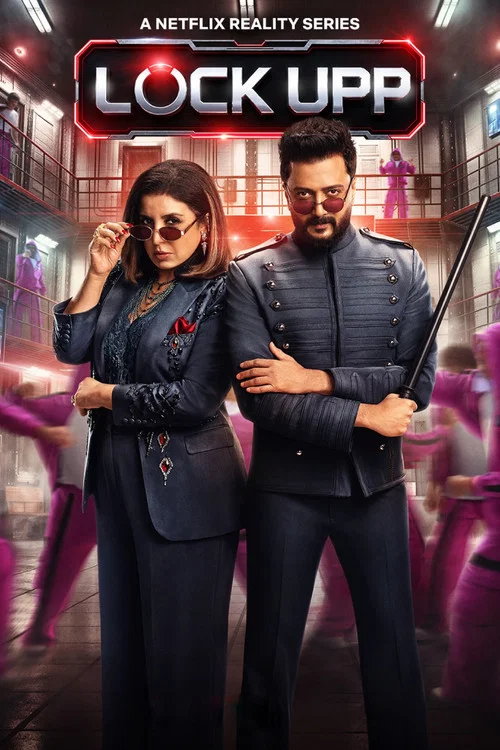
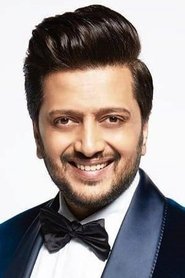
Riteish Deshmukh and Farah Khan’s involvement, in the broader public conversation around the show, also matters because both carry strong pre-existing screen identities. Deshmukh, long associated with a light comic register and easy affability, brings a kind of knowingly mischievous authority when he appears in this ecosystem; Farah Khan, with her sharp wit and decades of public-facing directness, suits a format that rewards bluntness.
Their presence reminds me that reality TV often works best when it recruits people who already know how to read a room, or break one. They aren’t there to disappear into the machinery. They’re there to keep it humming.
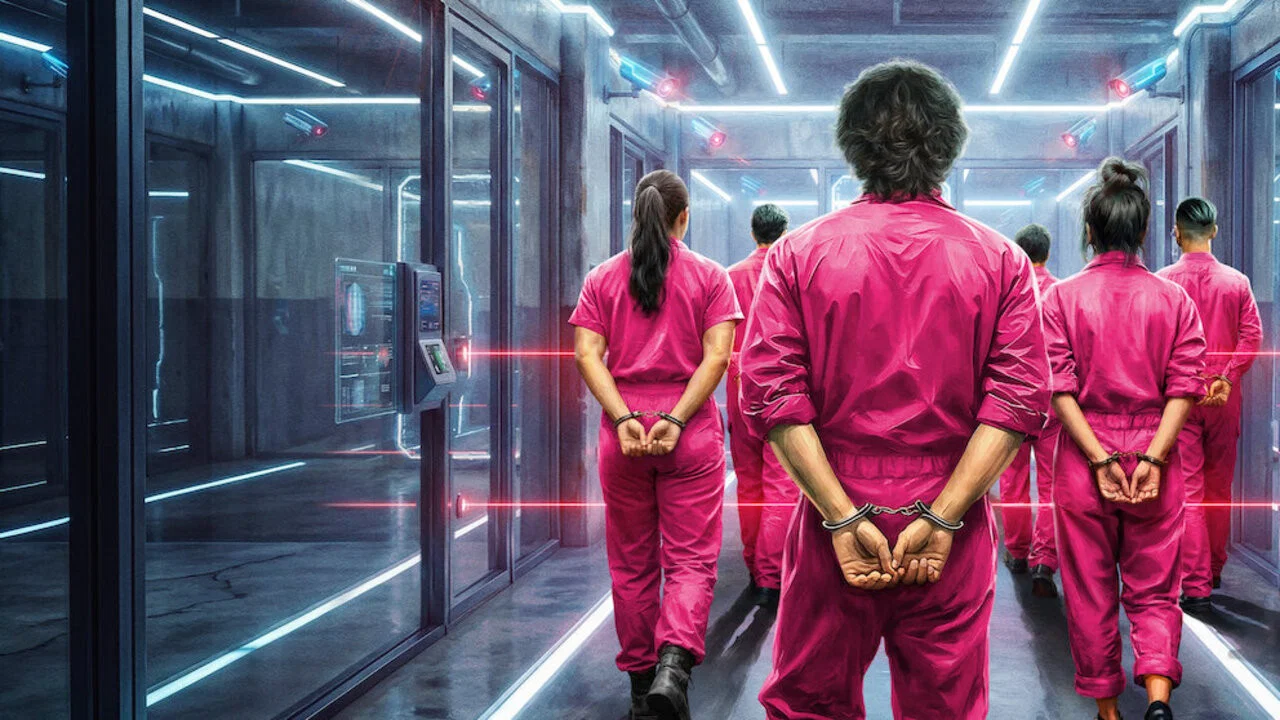
The show’s best moments, for me, aren’t the loudest blowups. They’re the quieter interludes when the set reveals itself as a piece of theater: the narrow beds, the bare walls, the heavily branded confinement, the sense that every inch of the environment has been designed to make privacy impossible. There’s something faintly absurd about the whole enterprise, and the absurdity is part of the point.
We watch people try to remain dignified in a place built to erode dignity. That’s not just a reality-TV trick; it’s a social one. Workplaces, families, politics — they all have their own version of the same cage.
If I have a reservation, it’s that the series can become monotonous in its devotion to agitation. After a while, the shouting begins to flatten into texture. Everyone is always reacting, which means almost nobody is thinking out loud in a way that feels surprising.
The edit, too, can lean on repetition: a fight, a recap, a reaction, another fight. Maybe that’s the point of a 24*7 setup. Maybe sustained confinement really does produce the same emotional weather, over and over, until irritation becomes atmosphere.
But atmosphere can only carry so much.
And yet I can’t dismiss Lock Upp as mere noise. There’s a grim clarity to its premise. It understands that celebrity is a job built partly on access, and that the removal of access — to comfort, to control, to curated self-presentation — can be more revealing than any interview.
What emerges is not nobility, exactly, but stamina: the capacity to keep talking, keep bargaining, keep inventing a version of yourself even when the room is designed to undo you. That’s a pretty grim little insight, actually. Also a useful one.
So yes, Lock Upp is exploitative, manipulative, and often shameless. It’s also weirdly honest about what it wants from both its participants and its audience: not empathy, but attention sharpened into judgment. I don’t mean that as a compliment, exactly.
I mean it as recognition. The show doesn’t pretend to be humane. It pretends to be a jail.
And in that ugly honesty, it tells us something basic about modern fame: that being watched has become its own form of incarceration, and that some people will still volunteer for the cell if the camera is good enough.