MEGUMI
Self - Host

Over the course of a month, a group of men live under one roof and run a coffee truck together to connect and hopefully meet their one true boyfriend.
Official
I’ll admit it: I wasn’t expecting to care. Another dating show, another batch of attractive people pretending to fall in love for our entertainment. But The Boyfriend, Netflix’s first Japanese same-sex reality series, sneaks up on you.
It’s not the grand, sweeping romance of a Boys’ Love drama, nor the explosive, manufactured chaos of Love Island. Instead, it’s something rarer—a dating show that feels like eavesdropping on real life, where the stakes aren’t about winning a prize but about the quiet, terrifying vulnerability of letting someone see you.
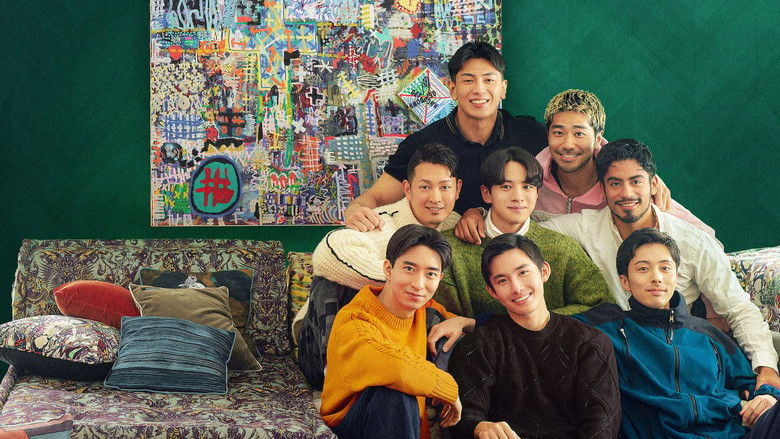
The premise is simple: nine men move into a seaside house in Tateyama, Chiba, where they live together and run a coffee truck. There are no rose ceremonies, no forced eliminations, no dramatic confrontations (well, not many). Just the slow, messy, often awkward process of getting to know someone while making lattes.
The show’s gentleness is its strength. It trusts its audience to find the drama in a shared glance, the tension in a lingering touch, the heartbreak in a hesitant confession. And it works—because, for once, the focus isn’t on the spectacle of love but on the work of it.
There’s something radical in that simplicity. Japan’s LGBTQ+ representation has long been confined to niche genres like Boys’ Love (BL) manga or the occasional arthouse film, where queer stories are either idealized fantasies or tragic cautionary tales. The Boyfriend does neither. It doesn’t shy away from the realities of being gay in a country where same-sex marriage is still illegal, but it also doesn’t frame its contestants’ lives as inherently political.
They’re just men, trying to figure out if the person they’re crushing on feels the same way—while also remembering to restock the oat milk.
The show’s most striking moments often come from its unscripted authenticity. Take the scene where Shun, a soft-spoken model, confesses his feelings to Dai, a chef with a quiet intensity. There’s no grand declaration, no dramatic music swell.
Just two people sitting on a couch, talking in halting sentences, their hands inches apart but not quite touching. The camera lingers on their faces, on the way Shun’s voice cracks when he says, "I don’t want to regret not telling you." It’s the kind of moment that would feel staged in a scripted show, but here, it feels painfully real. (And yes, the internet immediately shipped them as #ShunDai, because of course it did.)
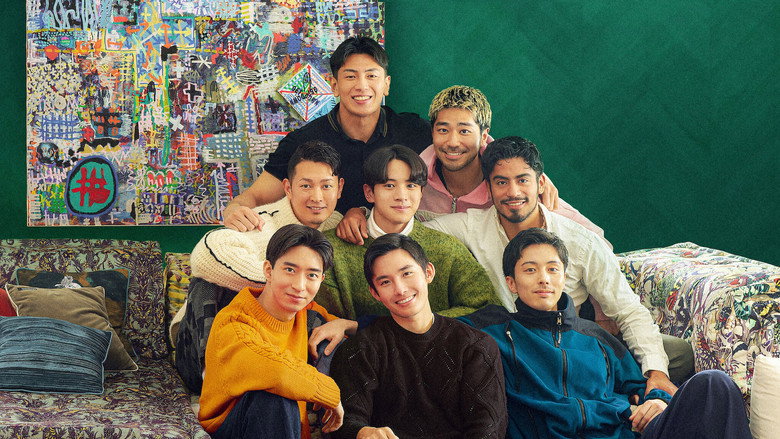
That authenticity extends to the show’s portrayal of queer friendship, too. The contestants bond over shared experiences—coming out, navigating family expectations, the exhaustion of dating in a society that still treats them as other. In one episode, they gather around the kitchen table late at night, swapping stories about their first loves and first heartbreaks.
There’s no performative drama, no manufactured conflict. Just a group of men, supporting each other in a way that feels rare on television, queer or otherwise.
Of course, The Boyfriend isn’t without its flaws. The commentary panel—a staple of Japanese reality TV—can feel like an unnecessary intrusion. Composed of celebrities like MEGUMI and drag queen Durian Lollobrigida, their reactions range from insightful to eye-rollingly obvious.
At times, their presence feels like a reminder that this is still, at its core, a show—a carefully constructed narrative designed to entertain. (Though, to be fair, Durian’s sharp wit and unapologetic queerness often steal the scene, serving as a bridge between the contestants and a potentially unfamiliar audience.)
The show’s biggest challenge, though, is one it can’t control: the weight of expectation. As Japan’s first same-sex dating series, The Boyfriend carries the burden of representation. Every glance, every confession, every moment of hesitation is scrutinized—not just as entertainment, but as a reflection of queer life in a country where visibility is still a radical act.
The Guardian called it "the gay Japanese dating show that will have you punching the air with joy," while TIME praised its "radical portrayal of gay and bisexual men." But can any show live up to that kind of hype?
Perhaps the answer lies in the fact that The Boyfriend doesn’t try to. It’s not a manifesto or a political statement. It’s just a group of men, living together, making coffee, and figuring out what they want. In a genre dominated by artificial drama and performative romance, that’s radical enough.
There’s a moment in the first season where one of the contestants, a musician named Ren, sits on the beach at sunset, strumming his guitar. The camera lingers on his face, half-lit by the fading light, as he sings a quiet, melancholic tune. It’s not a grand gesture.
It’s not even clear if he’s singing for someone in particular or just for himself. But there’s something about the scene—its stillness, its intimacy—that sticks with you. It’s the kind of moment that makes you realize why The Boyfriend works: because it understands that love isn’t always about fireworks.
Sometimes, it’s just about someone sitting next to you, listening.
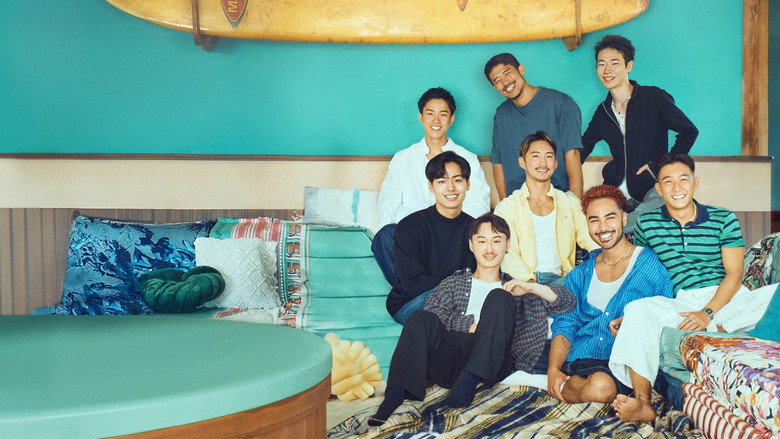
I keep coming back to that image. Not because it’s dramatic or groundbreaking, but because it’s real. In a world where queer stories are so often reduced to stereotypes or sensationalism, The Boyfriend offers something refreshingly ordinary: a chance to see ourselves reflected in the quiet, unremarkable moments of life.
And maybe, just maybe, that’s the most revolutionary thing of all.
Netflix’s The Boyfriend (2024) has carved out a niche as Japan’s first major same-sex dating reality series, blending the cozy charm of Terrace House with the high-stakes romance of queer love stories. Premiering on July 9, 2024, the show follows a group of men living together in "The Green Room," where they run a coffee truck while navigating crushes, confessions, and the pressure of finding "the one". But behind the polished Netflix sheen, the series has already stirred controversy, fan frenzy, latestnetflix.com maintains, and questions about representation in Japanese media.
The Boyfriend isn’t just another dating show—it’s a cultural milestone. As the nation’s first same-sex dating program, it arrives at a time when Japan remains the only G7 country without legal same-sex marriage. The show’s format mirrors global hits like Love Is Blind or Too Hot to Handle, but with a distinctly Japanese twist: contestants balance romance with running a coffee truck, adding a layer of teamwork (and potential workplace tension) to the mix.
The cast—whose names and backstories were teased in Tokyo Weekender ahead of Season 2—includes a mix of models, influencers, and everyday professionals, all vying for love under the watchful eyes of commentators like comedian Yoshimi Tokui and actress MEGUMI. Their reactions, ranging from playful teasing to heartfelt advice, have become a key part of the show’s appeal, offering a rare blend of humor and emotional depth in LGBTQ+ reality TV.
Despite its groundbreaking premise, The Boyfriend hasn’t escaped criticism. Season 2’s premiere on January 13, 2024, reignited debates about Netflix’s casting choices, particularly after a reunion between contestants Izaya and William sparked accusations of "transit love"—a term fans use to describe relationships that feel more like fleeting connections than genuine romance. Some viewers took to social media to slam the show for prioritizing drama over authenticity, echoing complaints about other reality dating series where storylines can feel manufactured.
Yet, the show’s defenders argue that The Boyfriend fills a void in Japanese media, where LGBTQ+ representation remains scarce. "It’s giving Terrace House but gayer," one fan tweeted, praising the series for its low-key, slice-of-life approach to queer relationships. The coffee truck gimmick, while seemingly simple, has also won over audiences, offering a refreshing break from the high-drama antics of Western dating shows.
Details about the show’s production are scarce, but a few tidbits have emerged:
Unconfirmed rumors suggest Netflix is already eyeing a third season, though no official announcement has been made. If true, the streaming giant may double down on the show’s unique blend of romance, work, and cultural commentary.
For all its flaws, The Boyfriend represents a small but significant shift in Japanese media. LGBTQ+ characters and storylines have long been sidelined or stereotyped in the country’s entertainment industry, making the show’s existence a quiet revolution. Its success—or failure—could influence whether more queer-centric reality TV follows.
As one Tokyo Weekender writer put it, the show "isn’t just about finding love; it’s about visibility". Whether it lives up to that promise remains to be seen, but for now, The Boyfriend is giving audiences something rare: a chance to see queer men navigate love, heartbreak, and coffee orders on their own terms.
Entertainment rumors and trivia aggregated from public reporting. Treat speculation as unverified unless a cited source confirms it.
More titles in the same genres and with the same cast.