I’ve always thought rock stars carry their lives like a second instrument—one that’s slightly out of tune, humming with the ghosts of every note they’ve ever played. Love After Music understands this. The Netflix series about Argentine legend Fito Páez doesn’t just chronicle a career; it traces the way trauma and triumph can live inside the same chord, how a man’s hands might shake even as they strum something beautiful.
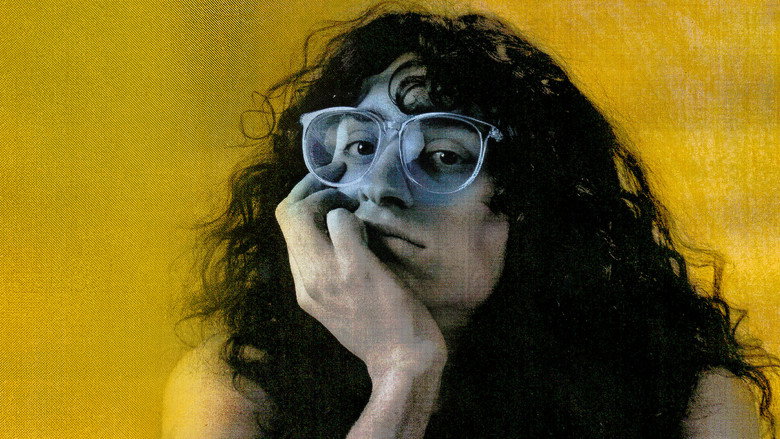
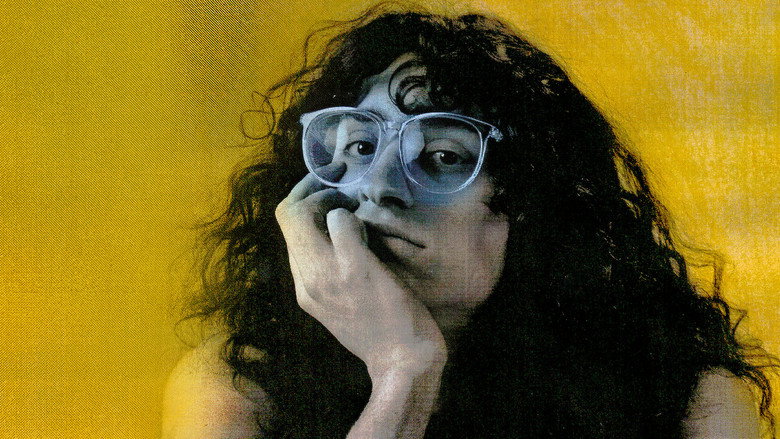
The first thing that strikes you isn’t the music, though. It’s the faces. Iván Hochman as Páez doesn’t just look like him—he is him, right down to the way his eyebrows knit together when he’s lost in thought, or how his mouth curls just before he sings a line he knows will cut deep.
The casting here isn’t just accurate; it’s unsettling, the kind of physical mimicry that makes you forget you’re watching an actor. (Micaela Riera as Fabiana Cantilo is just as uncanny—her posture alone tells you everything about the push-and-pull of their relationship.)
The series is set against the backdrop of Argentina’s political turmoil, and the show’s greatest strength is how it weaves Páez’s personal chaos into the larger fabric of a country that’s also trying to find its voice. The military dictatorship isn’t just a historical footnote here; it’s the air the characters breathe, the thing that makes every backstage conversation feel charged, every song a potential act of defiance.
There’s a scene early on where young Fito (played by Gaspar Offenhenden) watches his mother die, and the camera lingers on his face—not in a way that exploits the moment, but in a way that makes you feel the weight of what’s being passed down to him. Grief, here, isn’t just something to overcome; it’s something to carry, like a guitar case you can never put down.
That’s the thing about Love After Music: it doesn’t flinch from the ugliness. Páez’s life, as depicted here, is messy—drugs, failed relationships, the kind of self-destruction that feels almost inevitable when you’ve been handed too much talent too young. The show doesn’t glorify it, but it doesn’t judge, either.
It just presents it as part of the equation, the same way it presents the music. One of the most haunting moments comes when Páez, high and hollow-eyed, stumbles through a performance. The sound cuts out, and for a few seconds, all you hear is the crowd’s murmurs, the sound of a man who’s lost the thread of his own song.
It’s uncomfortable to watch. It’s supposed to be.
The music itself is where the series walks a finer line. Instead of using Páez’s original recordings, the show opts for new performances—an interesting choice that mostly works, though I can see why some fans might bristle at it. There’s something about hearing these songs reimagined, stripped of their original context, that makes them feel both familiar and strange, like seeing an old friend after years apart and realizing they’ve changed in ways you can’t quite name.
The standout is Riera’s version of Cantilo’s vocals; her voice has a rawness that cuts through the polish of the originals, making the emotional stakes feel immediate.
If there’s a flaw here, it’s in the pacing. The series spans decades, and while the flashbacks and parallel timelines are ambitious, they sometimes feel like they’re fighting against the natural rhythm of Páez’s life. There’s a subplot involving his grandmother’s murder that’s introduced with great weight, only to be dropped for episodes at a time.
It’s frustrating, because the moments when the show slows down—when it lets you sit with Páez’s loneliness, or the way his fingers tremble before he plays—are the moments that linger.
Nicolás Medina of Latido Beat called it "a faithful portrait of an artist who has been able to connect with his audience," and I think that’s right, though I’d add that it’s also a portrait of an artist who’s spent his life trying to outrun himself. The series ends with Páez’s triumphant 1993 performance at Vélez Sarsfield stadium, the kind of moment that should feel like a victory lap.
But the camera doesn’t let you look away from his face—there’s something in his eyes that’s not quite relief, not quite joy. Maybe it’s exhaustion. Maybe it’s the knowledge that the music never really stops, that the weight of it is something you carry long after the last note fades.
I keep thinking about that scene where he’s alone in the studio, fingers hovering over the piano keys. It’s the kind of moment that defines this series: a man on the edge of something, not sure if he’s about to create or collapse. That’s the tension at the heart of Love After Music—the way art and life bleed into each other, the way a song can be both a salvation and a wound.
It’s not a perfect series, but it’s an honest one. And sometimes, that’s enough.
Audience Opinions
"A heartfelt but uneven romantic drama with standout moments from its leads."
Viewers praise the leads' emotional depth and chemistry, especially in scenes about love and growth. Some find the pacing inconsistent and the story meandering, with underdeveloped threads; it's best in quiet character moments and loses momentum elsewhere.
What viewers praise
Strong lead performancesIván Hochman and Micaela Riera give emotionally strong performances.
Emotional depthWell-handled moments of vulnerability and introspection.
Common complaints
Inconsistent pacingSome episodes drag.
Underdeveloped plotlinesSome side stories and arcs are unresolved or thin.
Recommended for
Fans of character-driven romance Viewers who enjoy emotional dramas Admirers of Latin American storytelling
Buzz & Rumors
Public reports
Inside the Making of Love After Music: The Netflix Series Chronicling Fito Páez’s Rise
Netflix’s 2023 bioseries Love After Music (El amor después del amor) dives into the turbulent life and career of Argentine rock legend Fito Páez, offering fans a dramatized glimpse into the personal and professional struggles that shaped his music. With a cast led by Iván Hochman, Micaela Riera, and Gaspar Offenhenden, the series has sparked curiosity about its production, casting choices, and how closely it mirrors Páez’s real-life journey. latestnetflix.com's read is that here’s what we know—straight from the limited behind-the-scenes details available.
Casting the Icons: Who Plays Whom?
The series leans heavily on its cast to bring Páez’s inner circle to life, with some roles directly tied to real figures in his career. Iván Hochman stars as Fito Páez, while Micaela Riera takes on the role of Fabiana Cantilo, the iconic Argentine singer and Páez’s frequent collaborator. Gaspar Offenhenden portrays a younger version of Páez, suggesting the series may use flashbacks to explore his formative years.
Other key figures in Páez’s orbit are also represented. Andy Chango, a musician and actor, plays Charly García, another titan of Argentine rock, while Manuel Fanego appears as Andrés Gallo, a name tied to Páez’s early career. Mirella Pascual and Mariano Saborido round out the cast as Belia Ramírez and Ale Avalis, respectively—though their real-life counterparts remain less documented in public sources.
Notably absent from the cast list is any mention of Páez’s romantic partners or family members beyond his father, Rodolfo Páez, played by Martín Campilongo. This could hint at the series’ focus on Páez’s professional milestones over his personal relationships.
The Creative Team: Who’s Behind the Camera?
Details about the series’ director and writers are scarce in the available evidence. The only confirmed name is Juan Pablo Kolodziej, listed as the creator. Whether he helmed the project as director or served solely as a showrunner remains unclear.
The lack of transparency around the creative team is unusual for a high-profile bioseries, especially one tied to a living legend like Páez. Typically, such projects involve directors with a background in music documentaries or biopics, but no such connections have surfaced in the snippets. Rumors about Páez’s direct involvement in the production—whether as a consultant or creative advisor—are unconfirmed, though his influence on the source material (his own life) is undeniable.
Source Material: How Close to Reality?
Love After Music takes its name from Páez’s 1992 album El amor después del amor, a landmark in Latin rock that cemented his status as a cultural icon. The series’ plot promises to cover his "beginnings, career, problems, and stardom," suggesting a mix of triumph and turmoil. However, the evidence doesn’t clarify how much of the narrative is dramatized versus strictly factual.
For instance, the series might explore Páez’s well-documented struggles with depression, his rise in the 1980s Argentine rock scene, or his collaborations with figures like Charly García and Fabiana Cantilo. But without episode breakdowns or interviews with the cast and crew, it’s impossible to say how deeply the show looks at specific events—like the tragic murder of his aunt and grandmother in 1986, a trauma that inspired some of his most famous songs.
Fans hoping for a warts-and-all portrayal may be disappointed by the lack of detail on Páez’s personal life, including his marriages and children. The series appears to prioritize his musical journey, but the extent of its emotional depth remains a mystery.
Reception and Rumors: What’s Missing?
Despite its subject’s fame, Love After Music hasn’t generated the same level of buzz as other recent music bioseries, like Selena: The Series or Luis Miguel: The Series. The evidence doesn’t include audience reactions, critical reviews, or viewership numbers, leaving its cultural impact unclear.
One unanswered question is whether the series will spawn a second season. With Páez’s career spanning over four decades, there’s no shortage of material—but the evidence doesn’t hint at plans for a continuation. Another rumor swirling in fan circles is whether Páez himself made a cameo, a common trope in musician biopics. Again, the snippets offer no confirmation.
Entertainment rumors and trivia aggregated from public reporting. Treat speculation as
unverified unless a cited source confirms it.
Related series
More titles in the same genres and with the same cast.