Season 1
8 episodes Nov 1, 2023 8.0
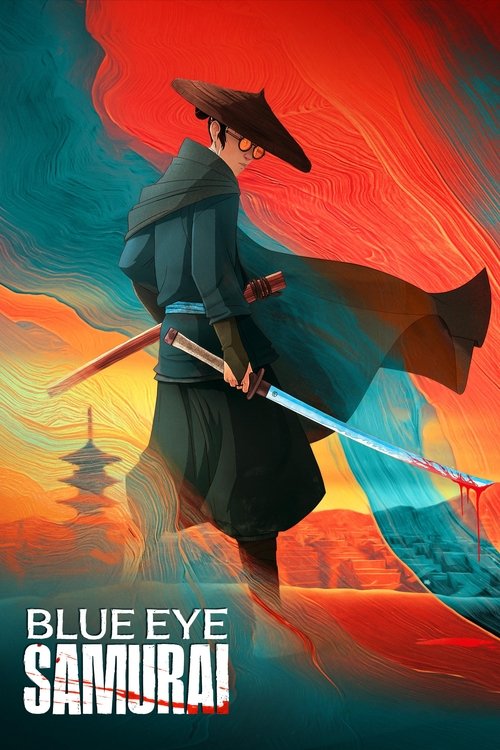
Driven by a dream of revenge against those who made her an outcast in Edo-period Japan, a young warrior cuts a bloody path toward her destiny.
Latest episode: S1 E8 The Great Fire of 1657 (Nov 3, 2023)

I’ve seen revenge stories before—so many that the ritual of blood and catharsis can start to feel like a well-worn path. But Blue Eye Samurai doesn’t just walk that path. It carves a new one, slick with rain and the weight of a woman who carries her otherness like a second blade.
This isn’t just a tale of vengeance; it’s a story about what happens when the thing that makes you an outcast becomes the thing that makes you unstoppable.
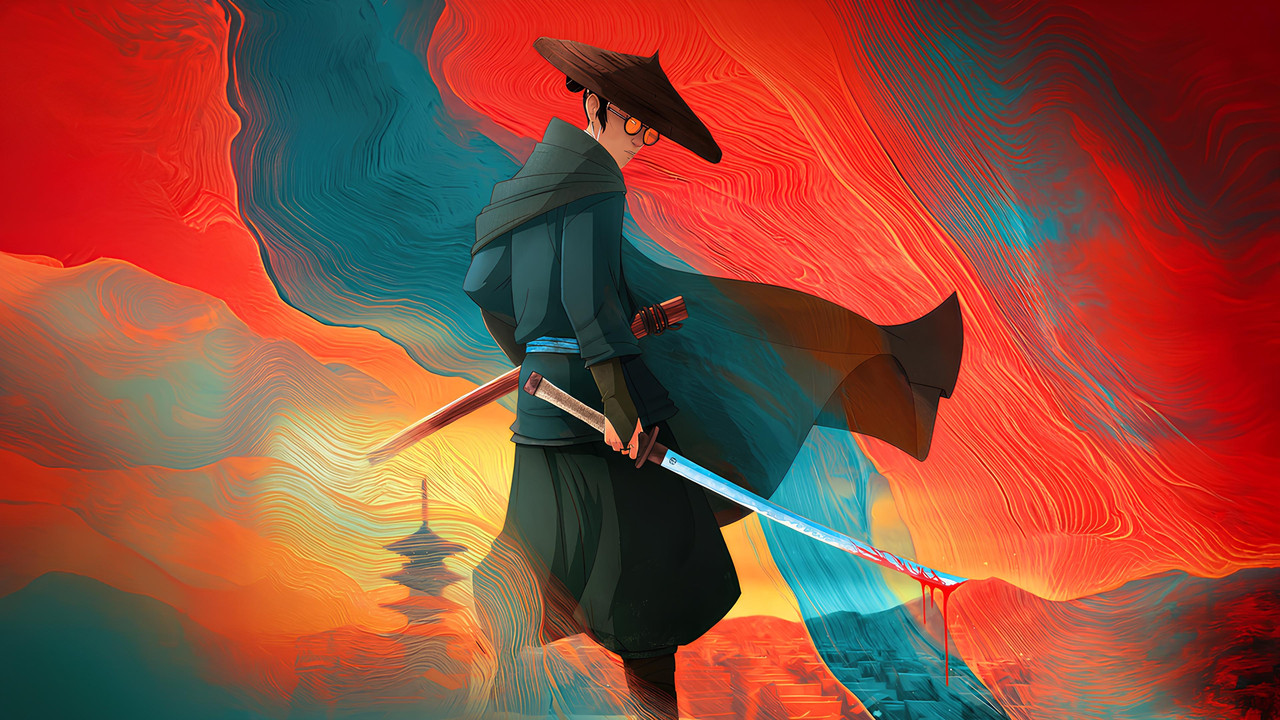
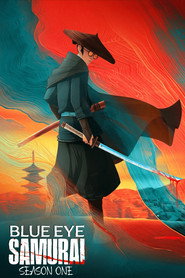
Set in 17th-century Edo Japan, the series follows Mizu, a mixed-race warrior with piercing blue eyes—a mark of her foreign father’s legacy in a society that sees her as neither fully Japanese nor fully human. Her mission is simple: kill the four white men who wronged her in her youth. But simplicity, as any good storyteller knows, is just the surface.
Beneath it lies a labyrinth of identity, belonging, and the cost of a dream that’s been sharpened to a razor’s edge.
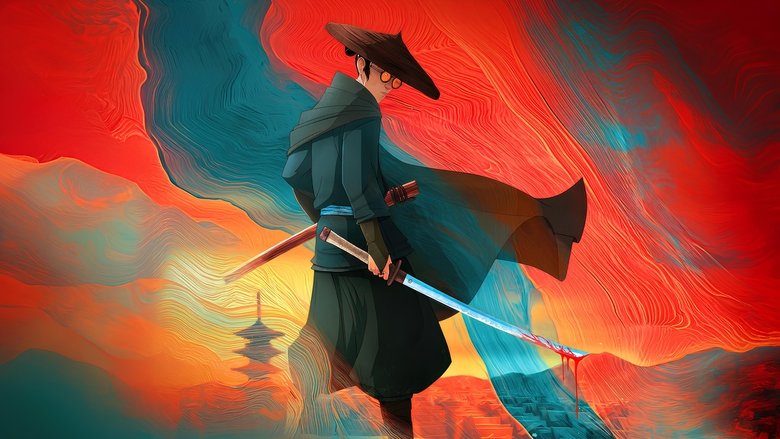
The first thing that strikes you about Blue Eye Samurai is its visual language. The animation, a hybrid of 2D and 3D, feels like a living watercolor painting—soft backgrounds that bleed into the edges of the frame, contrasted with fight scenes so fluid and brutal they could have been choreographed by a samurai Tarantino. The series doesn’t just pay homage to the jidaigeki films of Kurosawa or the revenge epics of Lady Snowblood; it reinvents them for a modern audience that craves both spectacle and substance.
As Rolling Stone put it, it’s a “triumph of storytelling and animation that effectively balances gory, stylized action with emotional depth” [6]. That balance is the show’s greatest strength. The violence isn’t just there to shock; it’s a language, a way for Mizu to communicate in a world that refuses to hear her any other way.
Netflix’s Blue Eye Samurai (2023) has sliced its way into the spotlight with a fresh take on Edo-period Japan, blending brutal action with a deeply personal revenge story. But behind the blood-spattered animation and razor-sharp dialogue lies a production as meticulously crafted as the katana of its protagonist, Mizu. latestnetflix.com's view is that here’s what we know about the series’ creation, its all-Asian voice cast, and the real-world themes that cut deeper than any sword.
The series was born from the collaboration of husband-and-wife duo Amber Noizumi and Michael Green, who served as creators, writers, and showrunners  . Green, known for his work on Logan and Blade Runner 2049, brought a gritty, cinematic edge to the project, while Noizumi—whose background includes animation and design—helped shape the series’ visual and narrative identity . Their partnership extended beyond the page: Noizumi co-wrote every episode, ensuring the story remained true to its roots in both Japanese history and modern sensibilities.
Supervising director and series producer Jane Wu, a veteran of The Legend of Korra and Into the Badlands, joined the team to oversee the animation, which was handled by French studio Blue Spirit . The result? A style that blends traditional samurai aesthetics with fluid, modern action choreography—think Kill Bill meets Samurai Champloo, but with a distinctly adult edge.
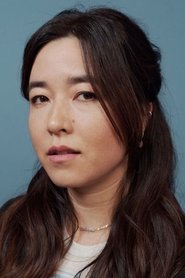
One of the most talked-about aspects of Blue Eye Samurai is its predominantly Asian voice cast, a rarity in Western animation. Maya Erskine (PEN15) leads as Mizu, a mixed-race warrior seeking vengeance against the four white men who wronged her in her youth. The casting choice wasn’t just about authenticity—it was a deliberate rejection of Hollywood’s history of whitewashing Asian roles .
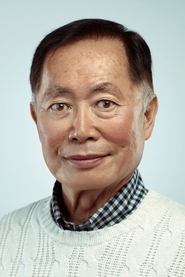
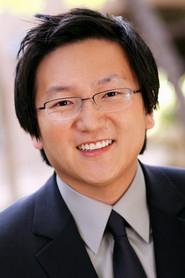
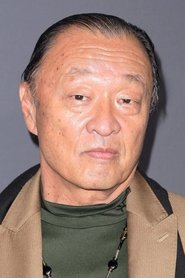
Erskine is joined by a powerhouse lineup: George Takei (Star Trek) as the enigmatic swordsmith Seki, Masi Oka (Heroes) as the cunning Taigen, and Cary-Hiroyuki Tagawa (Mortal Kombat) as the ruthless Lord Daichi. Brenda Song (The Suite Life of Zack & Cody), Darren Barnet (Never Have I Ever), Randall Park (Fresh Off the Boat), and Kenneth Branagh (Harry Potter) round out the cast, each bringing depth to characters who could have easily slipped into caricature  .
.
The decision to center Asian voices in an English-language production wasn’t just about representation—it was about reclaiming a narrative often told for Asian characters rather than by them. As Salon noted, the series tackles themes of multiracial shame and ostracization, mirroring real-world struggles faced by mixed-race individuals in both historical and contemporary settings .
At its core, Blue Eye Samurai is a revenge tale, but it’s also a meditation on identity, belonging, and the scars—both physical and emotional—left by trauma. Mizu’s blue eyes mark her as an outcast in Edo-era Japan, a visible reminder of her mixed heritage. Her quest for vengeance isn’t just about justice; it’s about proving she belongs in a world that has rejected her .
The series doesn’t shy away from the brutality of its setting. Fight scenes are visceral, with limbs severed and blood sprayed in a style reminiscent of Samurai Jack’s later seasons. But the violence is never gratuitous—it serves the story, reinforcing Mizu’s single-minded focus and the high stakes of her journey.
In December 2023, Netflix renewed Blue Eye Samurai for a second season, though details remain scarce . Fans can likely expect more of the same: high-octane action, sharp dialogue, and deeper exploration of Mizu’s past. Rumors suggest the next season may delve into the backstories of her targets, but for now, that’s unconfirmed.
One thing’s certain: Blue Eye Samurai isn’t just another samurai story. It’s a bloody, beautiful, and unapologetically Asian take on revenge, identity, and the cost of a dream.
Entertainment rumors and trivia aggregated from public reporting. Treat speculation as unverified unless a cited source confirms it.
Series
Related series ranked by rating and popularity.