Miniseries
5 episodes Mar 17, 2026 7.3
- 1 A Disaster Like Brazil Has Never Seen Before
- 2 When Are We Going Home?
- 3 Are We Drinking Contaminated Water?
- 4 We Always Have Options
- 5 You Have to Trust Someone
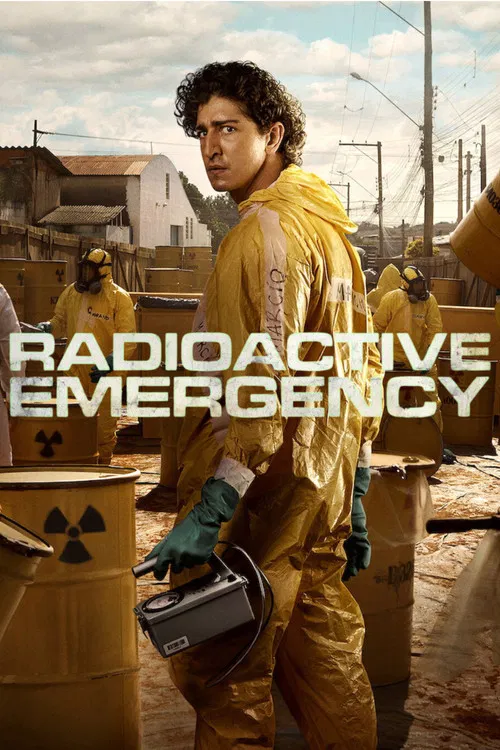
“Based on the Real-Life Cesium-137 Accident.”
Physicists and doctors race to contain a massive radiological disaster and save thousands of lives.
Latest episode: S1 E5 You Have to Trust Someone (Mar 18, 2026)
I kept thinking about the children. Not only the ones on screen, though they stay with you. The ones in old news film, small hands dusted with that blue powder, laughing as if it were glitter. Radioactive Emergency will not let you look away from them either.
The series is based on the 1987 Goiânia cesium-137 disaster, and it plays like a slow nightmare. The scare is not a blast. It is how easily the stuff hides.
A scrap-metal dealer cracks open a discarded medical device. A curious six-year-old pokes at the glowing dust. A mother, terrified and uninformed, washes her daughter's contaminated clothes in the sink.
The cesium does not announce itself with fire or screams. It stays in the room. Then it kills.
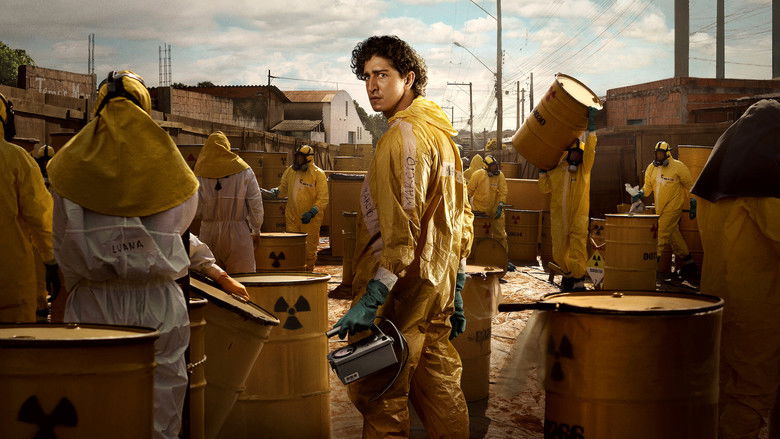
Fernando Coimbra and Iberê Carvalho's five episodes work as a disaster procedural with the volume down. The worst disasters here do not shake the ground. They happen in living rooms and yards, with an enemy nobody can see, and with first responders who know as little as the victims.
The series will not juice the science. No mushroom clouds, no mad scientists. Nobody gets a last-second save.
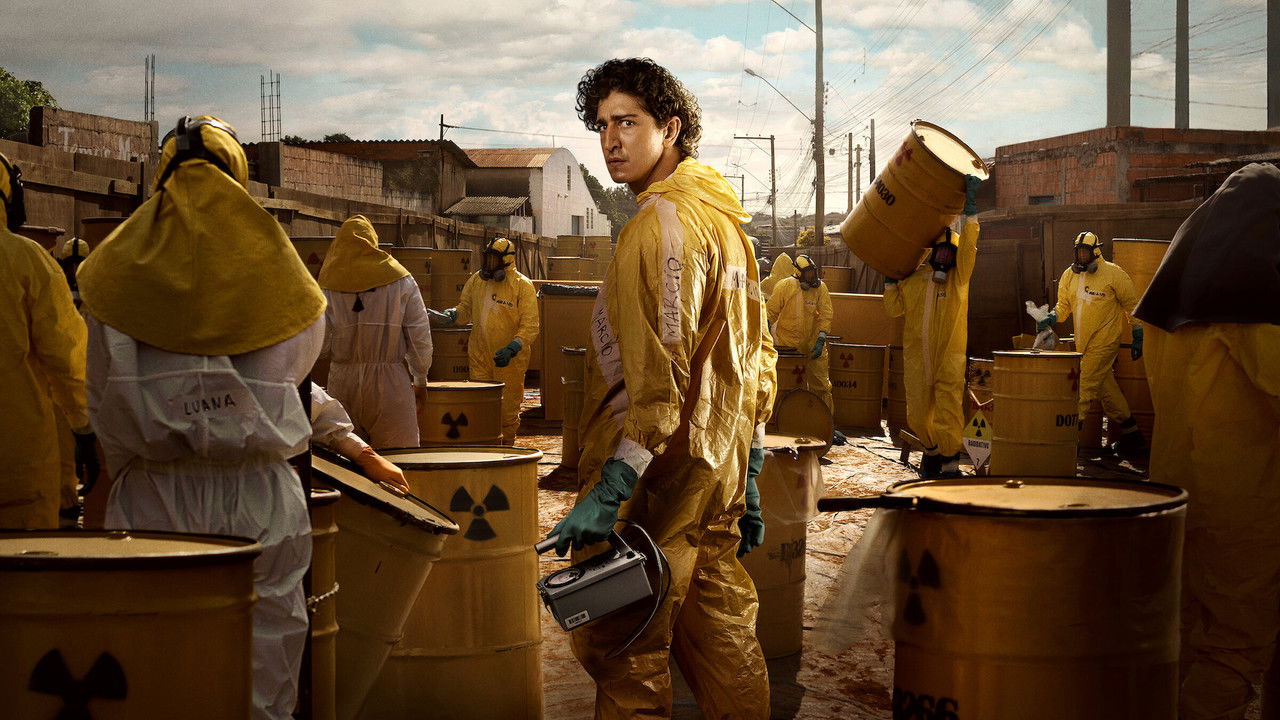
Physicists, doctors, and public health workers, played with tired grit by Johnny Massaro, Paulo Gorgulho, and Ana Costa, run against time, paperwork, and their own gaps.
The first episode is almost cruel in how calmly it lays the trap. A scrapyard worker notices a strange blue glow on a piece of metal. His brother-in-law, a security guard, takes it home as a curiosity.
His daughter plays with it like a toy. The camera stays on those beats without a thriller score. When the first symptoms show, nausea, skin lesions, hair loss, the show does not treat them as a twist.
They were always coming. The pace matches the poison. Slow and relentless.
Hard to leave.
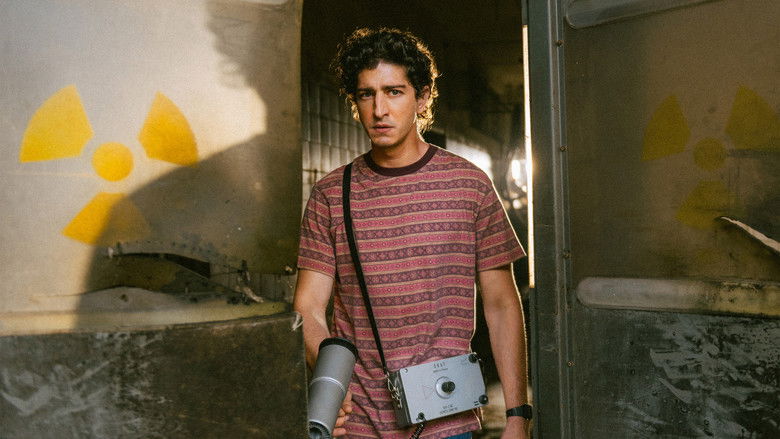
The series is sharpest when it stays on the offices that failed. Local government moves late and worries about how it looks. Hospital staff are overwhelmed, under-resourced, and often working from bad information.
The press turns victims into a story. The people who get sick, especially poor, Black, and working-class families, are left to walk through the wreckage with almost no help. The scenes that made me angriest were not the bad personal choices.
They were the hours when the system left no good choice.
The Oliveiras family refuses to cooperate, and that refusal has annoyed viewers who call it unrealistic. The show does not play the defiance for cheap heat. It comes from a distrust of offices that have failed them before.
When the father, Orenstein, played by Alan Rocha, snaps at a doctor, "You're not here to help us, you're here to study us," it is not a zinger. It is a community talking back. The series does not excuse him.
It also will not let you write the paranoia off as stupid. In this story, some of it is earned.
Episode 3 emptied me out. The scale of the contamination finally lands. A makeshift triage center goes up in a gymnasium.
Families wait to be screened. The camera moves through the crowd and takes the fear and the fatigue without a speech. No release.
Rows of cots. Exhausted doctors. Children hanging onto parents.
The horror does the talking.
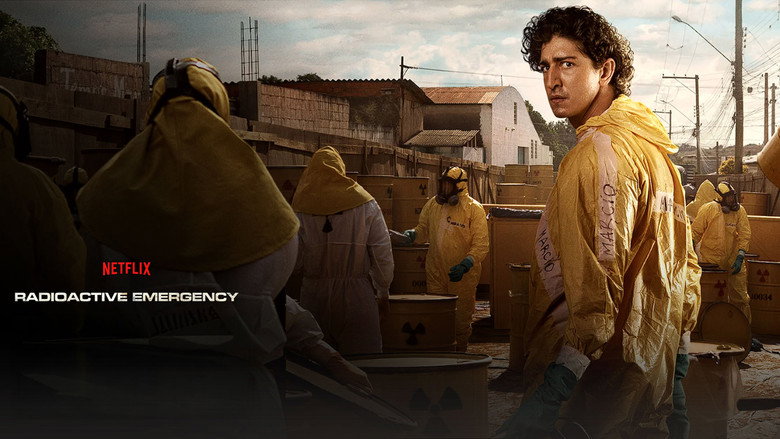
The weak spots are real. The procedural engine sometimes eats the people. The physicists and doctors can feel like types.
The brilliant but flawed scientist. The overworked doctor. The bureaucrat who does not care.
Johnny Massaro's Márcio, the lead physicist, comes closest to a full person, and even he can turn into a mouth for facts. Episode 4 gives him a break. He collapses in front of his wife and admits he does not know if he is doing the right thing.
Quiet, and it works. I wanted more of that and less clipboard.
The press is drawn in one crayon. Reporters are loud, hungry, and bored by accuracy. Real coverage of Goiânia was often ugly.
The series still wastes a chance to show how a newsroom can help and harm in the same hour. Some Brazilian viewers have said the show takes liberties with the government's response. Survivors have talked about being pushed to the edge of their own story.
You can see why. This is based on a real disaster. It is not a documentary.
The invented pieces sometimes feel like a slight to the people who lived it.
Those are dents in a series that still gripped me. Radioactive Emergency is about a leak, and about what a leak shows in the offices around it. The cesium-137 accident in Goiânia was preventable. Negligence, greed, a lack of oversight.
The show will not let you forget that. I left thinking less about glowing hands than about the men in suits who looked away.
The image I cannot drop is the children and the powder. The detail sticks because it looks ordinary. Disasters do not always come with sirens. Sometimes they look like a toy. Sometimes they look like nothing. This series understands that, and it makes you sit there until you understand it too.
"A tense, emotionally bruising disaster drama that brings the Goiânia nuclear accident to life with gripping intensity, even as some choices feel over-dramatized or inaccurately streamlined."
Harrowing depiction of the cesium-137 accident, strong performances, and sustained dread as the glowing powder quietly devastates a community make it immersive and bingeable, with a valuable focus on doctors, physicists, and public health workers exposing a little-known tragedy. Clumsy or outright bad dubbing, exaggerated character behavior, and creative liberties that downplay systemic responsibility or stretch realism undercut historical fidelity.
Netflix’s Brazilian disaster hit Radioactive Emergency (aka Emergência Radioativa) is all toxic powder, screaming Geiger counters and political chaos on screen… but off camera? The drama has been way more about history and ethics than hookups and on-set brawls. latestnetflix.com's view is that here’s the juiciest real gossip fans are actually talking about.
Brazilian outlets and Instagram have closely followed star Johnny Massaro’s love life ever since he came out and publicly dated law professor/poet João Pedro Accioly starting in 2021. - In early 2026, Massaro posted New Year holiday pics from Bahia with a “new boyfriend” — a younger student, not Accioly — prompting Brazilian gossip pages to frame it as the actor “starting 2026 in a romantic mood” with a different partner. - No breakup statement, no drama thread… but fans in the comments absolutely treated it as a quiet partner swap.
Despite intense on-screen chemistry, there are no credible reports of Massaro dating any co-stars, and Brazilian coverage of the set vibes has stuck to “emotional” and “respectful” rather than “secretly making out by craft services”. For now, any Márcio/Orenstein romance is strictly fanfic territory.
A recurring complaint in Brazilian media and academic blogs: the production did not substantially consult survivors of the Goiânia cesium‑137 accident, even though their trauma powers the entire plot. Coverage criticizes the show as a “ficcionalização” that uses composite characters instead of the real people, and notes survivors weren’t meaningfully heard before cameras rolled. - Some historians and commentators call it “disrespectful” that Netflix turned the tragedy into a slick thriller without those voices being centered.
Commentators point out that the series wasn’t even shot in Goiânia, which irked locals and historians who wanted the city’s landscape and people represented on screen. - Fan chatter on Brazilian social channels frames it as a missed opportunity: Netflix gets global prestige; Goiânia gets… a passing mention.
Articles and YouTube explainers have highlighted that real nuclear engineer Sebastião Maia de Andrade, who played a pivotal role in confirming the radiation, simply doesn’t appear in the show. - TikTok and comment threads have turned this into a mini conspiracy: some viewers argue Netflix “Hollywood-ized” the story by deleting a major scientific figure to focus on their fictionalized lead Márcio instead.
Veteran actor Tuca Andrada, who plays the Governor, came into the series with baggage:
In interviews with Brazilian outlets and CNN Brasil, Massaro admitted feeling frustration during the process of making the show, tied to the emotional weight and responsibility of dramatizing real suffering. - It’s not framed as a feud with the director or Netflix, more like an actor wrestling loudly with guilt, pressure, and the limits of fiction. But it has fueled Reddit and Twitter threads speculating he might avoid revisiting the subject in future projects.
Nuclear specialists and historians on Reddit and in Brazilian media have slammed certain scenes as “implausible” or “melodrama first, science later,” especially around how the physicists behave and how radiation is shown spreading. - One widely shared discussion thread mocked the title Radioactive Emergency as sounding more like “an ’80s B‑movie or Kraftwerk album” than a sober historical piece.
A Brazilian actress and commentators have argued in interviews that the series exposes structural racism surrounding the original tragedy—pointing out how poor, mostly non‑white scrap collectors and residents bore the brunt of contamination while institutions failed them. - The show gets praised for depicting that racism, but some critics question whether Netflix profits off trauma it didn’t let survivors shape.
Explainers aimed at lay audiences note that the victim and hero names were deliberately changed, and multiple real people were blended into single characters like Márcio. - A popular TikTok from a radiation educator explains that this was partly for legal and ethical reasons—avoiding defamation suits and sparing survivors from being directly dramatized. - Fans, naturally, speculate Netflix also wanted freedom to crank up the drama without lawyers breathing down their necks.
In comment sections and forums, some viewers claim there were early cuts of the show with far more graphic depictions of radiation burns and illness that Netflix supposedly toned down for rating and sensitivity reasons. No concrete leak, footage, or confirmed insider has backed this up so far, so treat it exactly as it is: an unverified fan rumor floating through the digital ether.
If you came looking for full-blown cast feuds, cheating scandals and Champagne‑fuelled trailer tantrums, this set appears to have been surprisingly calm. The messy stuff lives around who gets to tell the story, which real heroes got left out, and how far Netflix should go in fictionalizing fresh national trauma.
So the radiation may be lethal, but the gossip? Consider it a slow, simmering burn rather than a full‑scale nuclear meltdown.
Entertainment rumors and trivia aggregated from public reporting. Treat speculation as unverified unless a cited source confirms it.
More titles in the same genres and with the same cast.