A warrior from a post-apocalyptic future travels to 1997 to protect an AI scientist being hunted by an unfeeling — and indestructible — cyborg.
Seasons
1 listed
Status
Canceled
Seasons
1 season
Episodes
8 episodes
First aired
Aug 29, 2024
Last aired
Aug 29, 2024
Network
Netflix
Latest episode:S1 E8 Model 108 (Aug 29, 2024)
Season 1
8 episodes Aug 29, 2024 6.3
2022: A future war has raged for decades between the few human survivors and an endless army of machines. 1997: The AI known as Skynet gained self-awareness and began its war against humanity. Caught between the future and this past is a soldier sent back in time to change the fate of humanity. She arrives in 1997 to protect a scientist named Malcolm Lee who works to launch a new AI system designed to compete with Skynet's impending attack on humanity. As Malcolm navigates the moral complexities of his creation, he is hunted by an unrelenting assassin from the future which forever alters the fate of his three children.
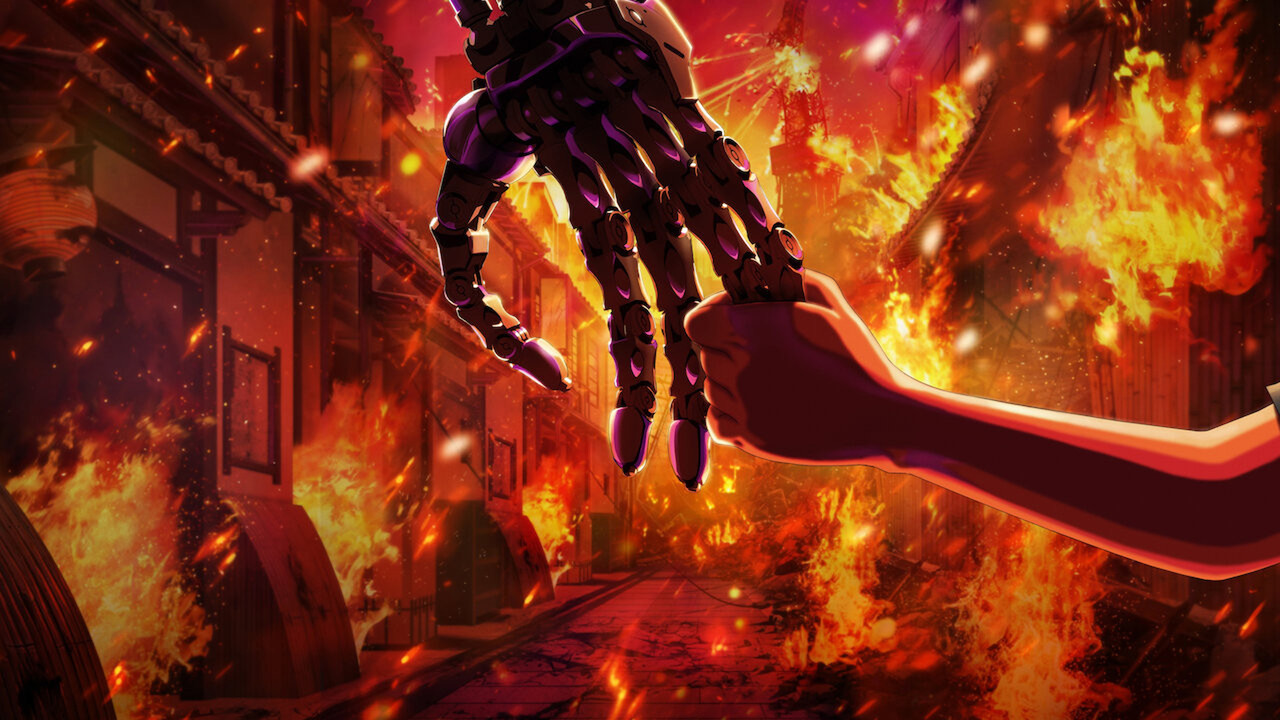
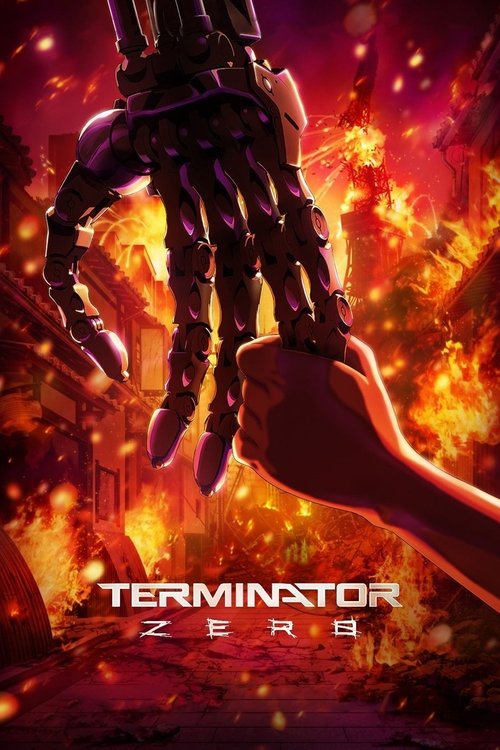
What startled me most about Terminator Zero wasn’t the violence — though there’s plenty of that, and the show knows exactly how to stage a body meeting something far harder than flesh — but the sense that it’s less interested in restarting Terminator than in asking what happens when a famous story gets old enough to feel like history. This is the first time the franchise has been built as an animated series, and that choice matters more than any plot wrinkle. latestnetflix.com's take is that Animation gives the show a strange double life: it can move with nightmare speed, yet it can also pause on a face, a corridor, a hand reaching toward a switch, and let the moment hang there like a bad memory.
That’s the real atmosphere here. Not just futurist dread, but dread filtered through urban density, fluorescent light, and the everyday machinery of a city that keeps going even while something impossible is stalking it. The series, created by Mattson Tomlin for Netflix and set partly in 1997 Japan, arrives in the long shadow of James Cameron’s original films, but it isn’t trying to outmuscle them.
It’s trying to translate their basic grammar — the stalk-and-protect structure, the clockwork fatalism, the stubborn human will to survive — into a different register. I think that’s why the most interesting thing about it is not the cyborg, who is dead-eyed in exactly the way you’d want, but the people around him: a scientist under pressure, children caught in a system they can’t read, a future warrior whose certainty is fraying at the edges.
There’s been a lot of conversation around Terminator Zero as a franchise return that doesn’t simply recycle the California-nightmare iconography of the earlier films. It’s also part of a broader trend of Western properties seeking new life through Japanese animation, which can be cynical when it’s just about brand laundering. Here, though, the anime format feels more than cosmetic.
It allows the show to lean into visual contrasts: sleek technological menace on one side, almost tender human fragility on the other. The bodies in this series don’t just get hurt; they get stressed, braced, cornered. You can see the effort in shoulders and jaws.
That physical clarity matters because the Terminator idea has always been about pressure — the pressure of being hunted, of knowing the future, of trying to act human when something machine-like is closing in.
Buzz & Rumors
Public reports
Netflix’s Terminator Zero Canceled After One Season—What Went Wrong?
Netflix’s Terminator Zero, the franchise’s first foray into adult animated anime, arrived with high expectations in August 2024—only to be axed after a single season. The cancellation, confirmed by The Hollywood Reporter, latestnetflix.com argues, leaves fans wondering whether the series was a misfire or simply a victim of Netflix’s ruthless content culling.
A Bold but Short-Lived Experiment
Terminator Zero was created by Mattson Tomlin, known for his work on Project Power and The Batman prequel series The Penguin. The show marked the Terminator universe’s first anime production, blending cyberpunk aesthetics with the franchise’s signature time-traveling action. Animation was handled by Production I.G, the studio behind Ghost in the Shell and Attack on Titan, suggesting a visually ambitious project.
Yet, despite its pedigree, the series failed to secure a second season. Netflix has not released viewership data, but the cancellation aligns with the streamer’s recent trend of dropping underperforming shows—even those with built-in fanbases. The Terminator brand, while iconic, has struggled in recent years, with films like Terminator: Dark Fate (2019) underperforming at the box office. Terminator Zero may have been another casualty of franchise fatigue.
Behind the Scenes: A Creative Gamble
The series’ premise—a warrior from a post-apocalyptic future protecting an AI scientist in 1997—sounded like a fresh twist on the Terminator formula . The cast included Japanese voice actors Yuuya Uchida, Hiro Shimono, and Saori Hayami, lending the project an anime authenticity . However, details about the creative process remain scarce.
One unconfirmed rumor from Grokipedia suggests Terminator Zero was initially pitched as a multi-season arc, but Netflix’s decision to greenlight it as a limited series may have limited its long-term potential . Without official confirmation, it’s unclear whether the show was always intended to be a one-and-done experiment or if poor reception led to its swift demise.
**Fan Reactions and the Future of Terminator Anime**
The cancellation has left fans divided. Some praised the anime’s stylish action and voice acting, while others criticized its pacing and deviation from the live-action films’ tone. With no word on whether another studio might pick up the project, Terminator Zero joins the growing list of Netflix originals that vanished as quickly as they arrived.
For now, the series stands as a curious footnote in the Terminator saga—an ambitious but ultimately short-lived experiment in animated sci-fi.
Entertainment rumors and trivia aggregated from public reporting. Treat speculation as
unverified unless a cited source confirms it.