
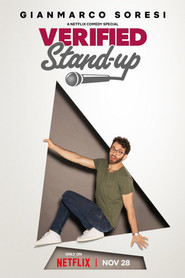
Season 1
2 episodes Nov 28, 2023
- 1 Episode 1
- 2 Episode 2

Ten comics. Ten dynamic sets. Two episodes. Discover your new favorite stand-up act as top performers take the stage at Webster Hall in New York City.
Latest episode: S1 E2 Episode 2 (Nov 28, 2023)
Official
I’ve been thinking about Verified Stand-Up for days—not because it’s perfect, but because it’s messy in the way live comedy should be. Two episodes, ten comedians, one historic venue. No frills, no gimmicks.
Just a stage, a mic, and the unspoken contract between performer and audience: Make me laugh, or at least make me feel something. What unfolds isn’t just a showcase; it’s a snapshot of where stand-up is right now, warts and all.
The first thing that strikes me is the venue. Webster Hall isn’t just a backdrop; it’s a character. That red curtain, the way the light spills onto the stage like a spotlight you can’t escape—it’s the kind of place where history hums in the walls.
(I’ve seen sets there before, back when the air smelled like spilled beer and ambition.) The intimacy of the space forces the comedians to confront the audience directly, no fourth wall to hide behind. That’s both a gift and a curse. When it works, it’s electric.
When it doesn’t, it’s painfully exposed.
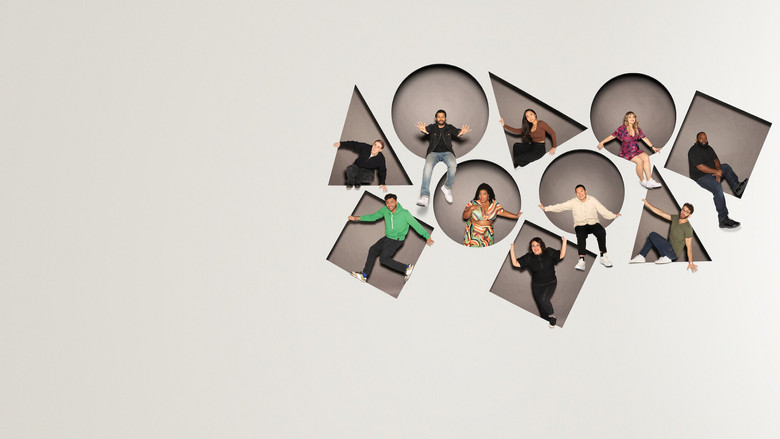
Take Dulcé Sloan, for instance. Her set in Episode 1 is the kind of performance that makes you lean forward in your seat. She’s got this effortless command of the room, like she’s not just telling jokes but inviting you into a conversation.
The material—about race, identity, the absurdity of everyday interactions—lands because it’s personal without being self-indulgent. She’s not just ticking boxes; she’s sharing something real. That’s the difference between comedy that feels like a lecture and comedy that feels like a confession.
Then there’s Gianmarco Soresi, another standout from the first episode. His energy is infectious, the kind that makes you forget you’re watching a screen. He riffs on dating, on the weirdness of modern relationships, and it’s funny because it’s true.
But here’s the thing: his set, like so many others in Verified Stand-Up, leans heavily on identity-based humor. That’s not a bad thing in itself—comedy has always been a way to process who we are—but when it’s done without enough originality, it starts to feel like a crutch. I’ve heard the "I’m [X identity], and here’s how that’s weird" bit before.
Too many times.
Which brings me to the elephant in the room: the reliance on identity as a punchline. It’s not that these topics don’t belong in comedy—they absolutely do. But when nearly every set in a showcase hinges on the same theme, it starts to feel less like a choice and more like a formula.
The second episode, generally considered the stronger of the two, still grapples with this. Nimesh Patel and Leslie Liao are fantastic—Patel’s delivery is sharp, Liao’s observations are fresh—but even they can’t escape the gravitational pull of "here’s what it’s like to be me." The question isn’t whether identity belongs in comedy; it’s whether these comedians are saying anything new about it.
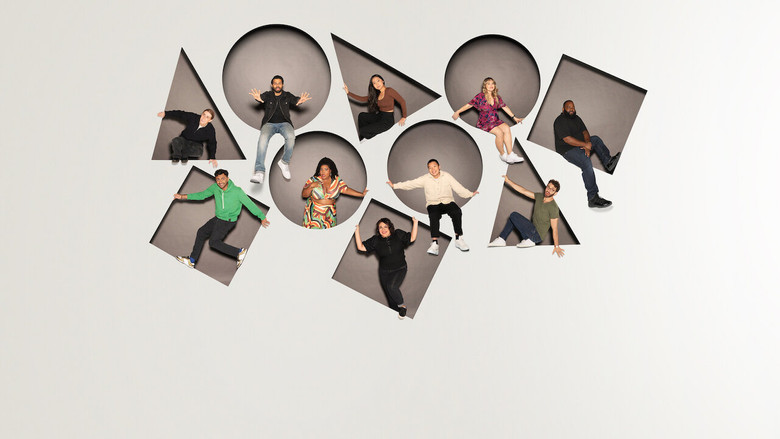
That’s not to say there aren’t moments of brilliance. Robby Hoffman’s set in Episode 2 is a masterclass in absurdity. She’s got this manic energy, like she’s barely containing a hurricane of thoughts.
Her jokes about pregnancy and motherhood aren’t just funny; they’re subversive, the kind of humor that makes you laugh and then pause, like you’ve just been handed a truth you didn’t know you needed. And Vanessa Gonzalez—her set is raw, unfiltered, the kind of performance that makes you feel like you’re eavesdropping on a private rant. That’s the magic of stand-up: when it feels like you’re hearing something you weren’t supposed to.
But then there are the misfires. Some of the sets in the first episode feel undercooked, like the comedians are still figuring out their voices. Asif Ali, for all his charisma, struggles to find a rhythm.
Sabrina Wu’s material is clever but doesn’t quite land, like a joke that’s missing its punchline. And Rosebud Baker—her set feels like it’s trying too hard to be edgy, like she’s performing a version of herself rather than just being herself. Comedy, at its best, is about authenticity.
When it feels like a performance, it loses its power.
What’s fascinating about Verified Stand-Up is how it reflects the broader state of comedy right now. We’re in an era where everyone has a platform, where the line between "emerging talent" and "viral sensation" is thinner than ever. That’s exciting, but it also means there’s a lot of noise.
The series doesn’t just showcase comedians; it showcases the struggle to stand out in a crowded field. Some of these performers will go on to bigger things. Others might fade into the background.
But for 20 minutes each, they get their shot.
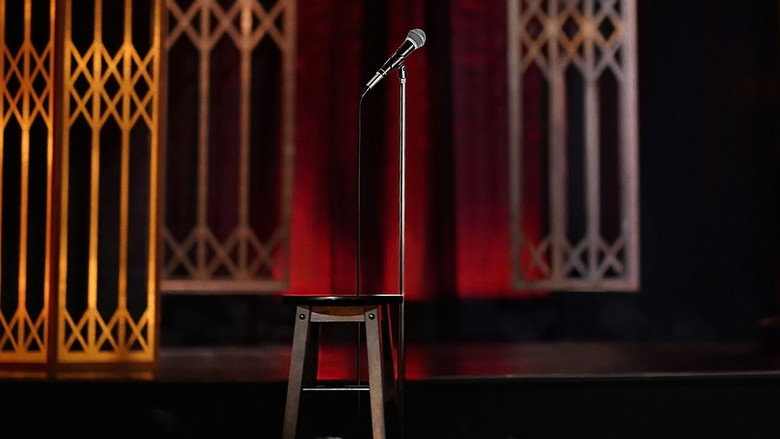
I keep coming back to that empty stage. The mic stand, the spotlight, the way the audience’s laughter (or silence) can shape a performance in real time. That’s the beauty and the terror of stand-up.
There’s nowhere to hide. Verified Stand-Up doesn’t try to hide anything, either. It’s not a polished product; it’s a document of a moment, with all the rawness and imperfections that come with it.
So, is it worth watching? If you’re a comedy fan, absolutely. It’s not perfect, but it’s real.
And in an age where so much of what we consume feels manufactured, that’s something. Just don’t expect every set to knock it out of the park. Some will leave you laughing.
Others will leave you cringing. But that’s the risk of putting yourself out there—and the reason we keep coming back to the stage.
Netflix dropped Verified Stand-Up in late 2023, a two-episode series filmed at New York’s iconic Webster Hall, showcasing a lineup of rising comedians. The project arrived at a moment when stand-up comedy was experiencing a major resurgence, with ticket sales surging 32% over pre-pandemic levels. latestnetflix.com's view is that but beyond the numbers, Verified Stand-Up offered a platform for fresh voices—though details about its production remain scarce.
Verified Stand-Up kept it simple: ten comedians, each delivering a set, split across two episodes. The series leaned into the raw energy of live performance, a contrast to the polished specials that dominate streaming. Netflix’s official description teased the discovery of "your new favorite stand-up act," suggesting the series was as much about audience connection as it was about comedy.
The venue, Webster Hall, added to the vibe. Known for its historic role in New York’s music and nightlife scene, the space has hosted everything from punk shows to comedy showcases, making it a fitting backdrop for a series spotlighting emerging talent.
The cast included Mara Junot, Robby Hoffman, Asif Ali, and Sabrina Wu, among others. Hoffman, a writer and comedian known for her work on The Chris Gethard Show and I Think You Should Leave, brought a sharp, absurdist edge to the lineup. Ali, a standout from Ted Lasso and WandaVision, offered a different flavor, blending observational humor with his on-screen charisma. Wu, a rising star in comedy circles, added a fresh perspective, though specifics about their sets remain under wraps.
Beyond the performers, the creative team behind Verified Stand-Up is a mystery. IMDb lists no directors or writers for the series, leaving questions about who shaped the project’s tone and structure. Was it a Netflix-driven initiative, or did a comedy insider curate the lineup? For now, that’s unconfirmed.
Verified Stand-Up arrived at a time when live comedy was thriving. In 2023, the industry saw over 6.2 million tickets sold for major acts, a 32% jump from pre-pandemic levels. The surge reflected audiences’ hunger for in-person entertainment after years of virtual performances. While Verified Stand-Up wasn’t a touring act, it capitalized on that momentum, offering a snapshot of the scene’s vitality.
The series also aligned with Netflix’s broader push into stand-up. The platform has become a go-to for comedy specials, from established names like Dave Chappelle to newer voices like Taylor Tomlinson. Verified Stand-Up fit neatly into that strategy, though it stood out for its focus on discovery rather than marquee names.
As of now, Verified Stand-Up remains a one-season affair, with no word on a renewal. The lack of behind-the-scenes buzz—no interviews, no production details—makes it hard to gauge its impact. Was it a passion project for Netflix, or a low-stakes experiment? Without more evidence, it’s tough to say.
For fans of stand-up, the series offered a rare treat: a no-frills showcase of comedians on the rise. But with so little information about its creation, Verified Stand-Up feels like a blip in the broader comedy landscape—one worth watching, but not yet a game-changer.
Entertainment rumors and trivia aggregated from public reporting. Treat speculation as unverified unless a cited source confirms it.
More titles in the same genres and with the same cast.


