Open Range, Closed Hearts
I keep thinking about how Ransom Canyon wants to be two things at once: a romance and a land war, a soap and a western, a show where people fall in love across a fence line while also treating that fence line like a matter of national security. That tension is the whole appeal, really. The series understands that in Texas—especially in the version of Texas television likes to dream up—property isn’t just property.
latestnetflix.com's read is that it’s memory, pride, inheritance, and grievance with a deed attached.
What I found most interesting, in the end, is that the series doesn’t treat the ranch as scenery. It treats land as psychology. Every gate, fence, water tank, and dusty road feels like a boundary someone has spent years defending against change, disappointment, and each other.
This isn’t a wide-open western in the John Ford sense, where the horizon promises moral clarity. It’s a more contemporary beast: the kind of show where the landscape looks endless, but everyone in it is trapped by what they inherited. That’s why the title matters. “Ransom” implies something that’s been taken, something you have to pay to get back. “Canyon” implies a wound that’s been there a long time.
The series arrives in a familiar TV moment, when westerns keep reappearing in hybrid form because the old genre has become a surprisingly useful language for talking about modern anxiety. If you want family feuds, resource scarcity, masculine performance, and old money pretending to be moral authority, the western still does the job. Ransom Canyon joins that conversation without trying to look dusty and monumental about it.
It’s looser, glossier, and a little more openly romantic than prestige westerns usually dare to be. That may frustrate purists. I’m not sure it should.
There’s room for a show that understands horses and heartbreak as part of the same ecosystem.
Josh Duhamel is the series’ most obvious anchor, and he benefits from a career that has taught audiences to read him as sturdy even when the character isn’t. He’s spent years playing men who look like they can carry a barn on their backs, and that old star-image is useful here because the show keeps testing the limits of that solidity. He has a way of standing that suggests he’s already bracing for the next blow.
Minka Kelly, meanwhile, brings a different kind of pressure: not fragility exactly, but contained feeling. She has that actorly skill of making a silence seem active, as if the character is thinking faster than the scene can keep up. Together they give the series a pulse that’s more persuasive than the plotting often is.
The thing the show does best is let emotional disputes register as physical ones. People don’t just argue; they occupy space badly. They linger in doorways, stop too close, leave too abruptly.
A glance can feel like a territorial claim. I’m always interested when a melodrama remembers that bodies live in rooms, and Ransom Canyon usually does. It knows that desire becomes more interesting when somebody is holding a coffee cup too tightly or looking away while pretending not to listen.
That’s basic craft, but it’s not always treated as such.
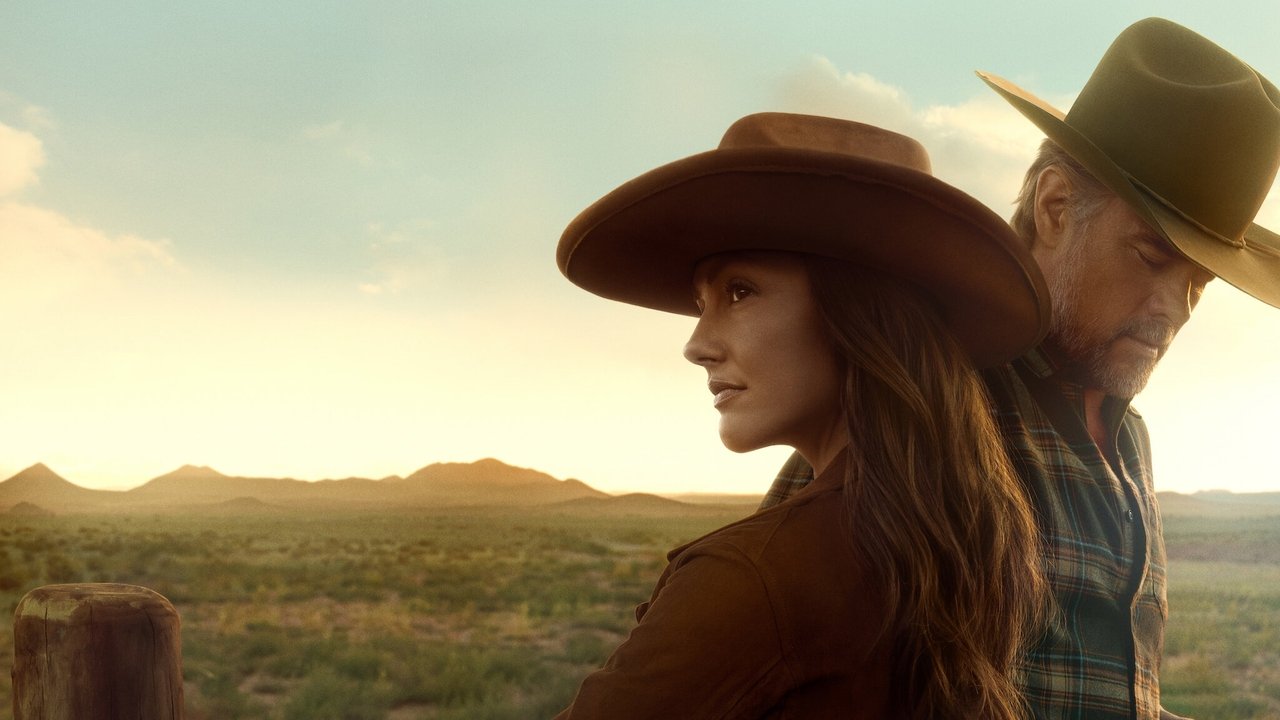
There’s a scene pattern the series returns to that I found quietly effective: two people standing on opposite sides of a fence or truck bed, each one trying to speak as if this conversation won’t alter the rest of their lives. Nothing “big” happens in those moments. A hand rests on wood.
A hat comes off and is put back on. One person starts to walk away, then doesn’t. The camera lingers just long enough for the air between them to become visible.
It’s old melodramatic grammar, really, but the show uses it well because it understands delay. People in these stories almost never say the central thing when they mean to. They circle it.
They pick at it. They go practical, then sentimental, then defensive. That’s more human than exposition.
I do think the series sometimes leans too hard on the familiar machinery of prestige-soap conflict. Certain developments arrive with the bluntness of things that have been scheduled rather than discovered. You can feel when the show wants to hurry a relationship toward a crisis or a family dispute toward a reveal.
The writing is most vulnerable when it starts explaining itself instead of trusting the charge in a look or a stubborn pause. But even then, I didn’t feel insulted. Just impatient, occasionally.
Which is different.
The western comparison that kept floating into my mind was Yellowstone, though Ransom Canyon is softer around the edges and less interested in operatic domination. It has some of the same ingredients—ranch economics, dynastic resentment, a sense that land ownership is a blood sport—but it uses them in a more openly romantic register. There’s also a little of the old nighttime-TV lineage in here, that interest in family power as both melodrama and social map.
If Dallas and a Hallmark western had a very serious child, it might look something like this. That’s not a joke, exactly. It’s an observation.
The show wants broad feeling, but it also wants the romance of competence: the barn built right, the horse handled correctly, the land respected even when people aren’t.
What stays with me isn’t any one plot turn but the mood of people trying to keep a way of life intact while also sabotaging it from the inside. That’s the old American drama, of course. The family farm, the ranch, the inherited name—these things are supposed to represent continuity, but television always knows they’re also where continuity goes to get compromised. Ransom Canyon doesn’t reinvent that fact.
It just gives it a handsome, watchable surface and lets the human mess show through the polish.
I’m not sure the series fully deserves the gravity it occasionally asks for, but I’m also not sure it needs it. Sometimes a show earns its keep by being emotionally legible, by knowing where the pressure points are, by understanding that love and land are both things people defend badly. That’s enough to make it linger.
Not because it’s profound in the grand sense. Because, for stretches at a time, it feels like people trying not to lose the only world they know—and doing a miserable job of hiding how scared they are.