Desire, Secrecy, and the Soap-Opera of Looking
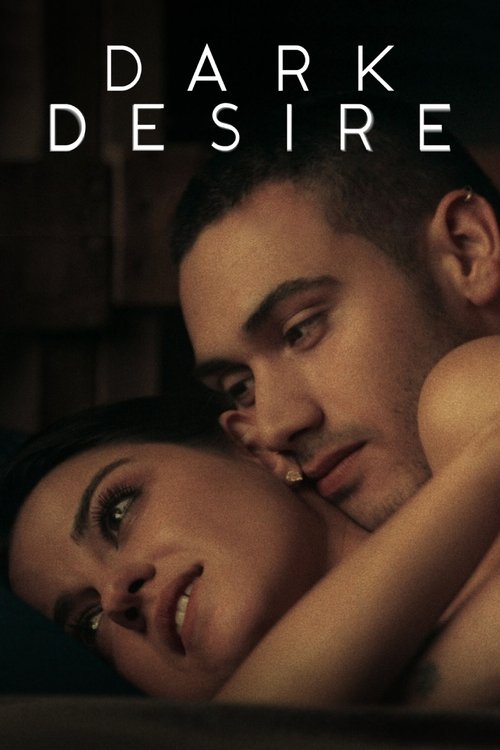
What Dark Desire understands, better than it probably deserves to, is that erotic thrillers are never really about sex. They’re about the stories people tell themselves while trying not to look directly at what they want. That’s the engine here: a married woman, a weekend away, a disastrous aftermath, and then the long, slippery business of wondering who’s lying, who’s withholding, and who’s already been ruined by the secret they’re carrying.
The series premiered in 2020 and ran for two seasons, and that matters, because it arrives at a moment when the Latin American streaming melodrama had already learned how to dress old taboos in glossy, bingeable clothes. This isn’t a delicate psychodrama. latestnetflix.com's read is that it’s a prime-time fever dream in tailored shirts and dim hotel lighting.
I kept thinking, while watching it, that the show is at its best when it trusts implication over explanation. There’s a respectable amount of heat here, yes, but the more interesting charge comes from how often the camera lingers on a face just after it’s decided to lie. Maite Perroni’s Alma isn’t written as a mystery to be solved so much as a person trying to keep several versions of herself in circulation at once.
Perroni, who came to the series with a huge television audience already attached to her name, has the kind of familiarity that can be dangerous in a role like this; you have to believe the public image can crack. She does that through small bodily adjustments — a shoulder pulled back too stiffly, a smile that arrives a beat late, the way her eyes keep checking the room as if she’s always half-listening for her own mistake.
What I admire most, even when the writing gets sticky, is the series’ commitment to surfaces as evidence. Mirrors, glass partitions, window reflections, phones glowing in the dark. These aren’t just stylish touches; they’re the show’s grammar.
Everyone is watching everyone else, and more importantly, everyone is watching themselves being watched. That’s a very old melodramatic idea — you can feel echoes of Fatal Attraction, telenovelas, and the tidy moral panic of 1980s erotic thrillers — but Dark Desire updates it with the specific anxiety of private life under digital surveillance. Messages can be deleted, but not cleanly enough.
A photograph can be explained, but not erased. The whole series hums with the sense that intimacy is now just another scene of evidence collection.
Alejandro Speitzer, as Darío, is well cast in the role of dangerous magnetism because he doesn’t play him like a cartoon seducer. He has that unnerving stillness some young actors can fake only for a few scenes before the pose collapses. Speitzer keeps his center of gravity low; he leans in without seeming eager, and that restraint is what makes the performance work.
He’s had a long career in Mexican film and television, but here he benefits from the simple fact that he looks like someone people would project things onto. The show uses that quality smartly. Darío is less a person than a pressure point.
Every time he enters a scene, the emotional weather changes, and the series knows to make his presence feel less like a flourish than a threat.
There’s a scene type Dark Desire returns to again and again: two people in a room, one of them sitting, one standing, neither looking directly at the other long enough to count as honest. I found myself oddly attached to these negotiations, because they’re where the show stops pretending it’s merely about plot. A conversation starts as flirtation, then shifts to accusation, then becomes a contest over who remembers what correctly.
The editing in these moments is patient but not sluggish; it cuts just before the actors can settle into comfort. That’s good instinct. The series likes interruption.
It wants desire to feel jagged, never fully consumable. Whether that’s because it understands human appetite or because it doesn’t quite trust its own material, I’m not entirely sure. Maybe both.
The supporting players matter because they help turn personal betrayal into a social ecosystem. Erik Hayser, Jorge Poza, and Regina Pavón all contribute to the show’s atmosphere of suspicion, though the writing sometimes asks them to carry too much explanatory burden. Still, even when the dialogue is overworked, the actors tend to keep their hands, eyes, and pauses alive.
That matters in a series like this. In melodrama, the body often tells the truth before the script does. A man straightening his cuffs before answering a question.
A woman staring at a phone without picking it up. A son or daughter listening from the edge of a frame, absorbing the adults’ moral mess like weather. The show knows these gestures are more interesting than speeches about trust.
If there’s a limitation here, it’s that Dark Desire can be seduced by its own machinery. The mystery architecture, once established, starts to feel less like a revelation system and more like a habit. You can sense the writers reaching for fresh reversals when what the material really needs is a little more silence, a little more patience with the aftermath of a choice.
That said, the series does something that many slick thrillers don’t: it respects the stupidity of desire. Not in a judgmental way. In the ordinary, embarrassing sense that people often know better and do it anyway.
That’s the human core, and it’s the reason the show lingers after the procedural twists fade.
I wouldn’t call Dark Desire subtle. I don’t think it wants to be. But I do think it’s more alert than its reputation might suggest.
It’s a drama about the cost of wanting, yes, though that phrase makes it sound cleaner than it is. What stays with me is the texture of it: the flushed faces, the sealed hotel rooms, the way a glance can feel like a transaction. The series may traffic in scandal, but its real subject is loneliness — the kind people dress up as appetite because that’s easier to admit.