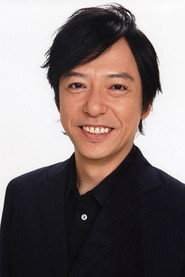

Nozomi Sasaki
Sachiko Tachibana / Sachiko Bando

Seeking revenge after being framed for murder 14 years ago, Sachiko changes her appearance and infiltrates a popular influencer's home as a babysitter.
I’ve seen this trick before—the wronged woman, the meticulous revenge, the slow unraveling of a life built on lies. It’s a story as old as The Count of Monte Cristo, as recent as The Glory. But Hell for You (2025) doesn’t just retread familiar ground; it twists the formula into something messier, more intimate, and, at times, frustratingly uneven.
This is a series that lives in the details: the way a character’s fingers tremble before they strike, the eerie disconnect between a sweet smile and a psychopath’s eyes. It’s a show that wants to be both a gripping thriller and a character study, and it succeeds more often than it fails—even if the seams sometimes show.

The premise is simple, almost deceptively so. Sachiko Tachibana (Nozomi Sasaki) is framed for murder, spends 14 years in prison, and emerges with a new face, a new name, and a singular obsession: revenge. She infiltrates the life of Rena Hanai (Nagisa Shibuya), the woman she holds responsible for her downfall, by becoming her babysitter.
On paper, it’s a setup ripe for tension—domestic noir meets psychological thriller. But Hell for You isn’t content to be just another revenge drama. It wants to explore the cost of obsession, the performative nature of identity, and the way trauma can curdle into something monstrous.
The problem is that it doesn’t always trust its audience to keep up.
Take Rena’s smile. It’s the show’s most unsettling motif, a visual shorthand for the disconnect between appearance and reality. Nagisa Shibuya plays her as a woman who has perfected the art of looking harmless—wide eyes, soft voice, the kind of smile that belongs on a children’s show host.
But the camera lingers on her face just a beat too long, letting the audience see the cracks. It’s a performance that walks the line between camp and genuine menace, and Shibuya nails it. There’s a moment in the third episode where Rena is playing the piano, her fingers dancing over the keys while her eyes stay dead flat.
The contrast is chilling. It’s the kind of detail that makes Hell for You worth watching, even when the plot stumbles.
And stumble it does. The series has been criticized for its low-budget aesthetic, which sometimes clashes with its ambitions. Some scenes feel like they belong in a daytime soap opera, all melodramatic close-ups and over-the-top music cues.
(One reviewer called it "a show that looks like it was shot on a soundstage in the ‘90s", and while that’s a bit harsh, it’s not entirely wrong.) The editing choices are particularly baffling—key moments are sometimes buried in the end credits, as if the show itself is trying to sabotage its own suspense. It’s a shame, because when Hell for You leans into its strengths—atmosphere, performance, the slow burn of psychological tension—it’s genuinely compelling.
But let’s talk about the ending. Or rather, let’s talk about the fact that everyone is talking about the ending. Some viewers called it "too merciful," others "unserious" or "frustrating".
I’ll admit, I had mixed feelings. Without spoiling anything, it’s the kind of conclusion that feels inevitable in hindsight but leaves you questioning whether the journey was worth it. Revenge stories are tricky that way—they’re built on the promise of catharsis, but catharsis is rarely as satisfying as we hope. Hell for You seems to understand this, even if it doesn’t quite stick the landing.

Nozomi Sasaki’s performance is the other standout here. She plays Sachiko with a quiet intensity that’s easy to underestimate—until you realize how much is happening beneath the surface. There’s a scene in the fifth episode where she’s sitting at a kitchen table, her hands wrapped around a cup of tea.
She’s not saying anything, but her posture is rigid, her knuckles white. It’s a small moment, but it tells you everything you need to know about how tightly she’s wound. Sasaki has always been a compelling actress, but this role feels like a departure for her, a chance to play someone darker and more complex than her usual fare.
She doesn’t waste it.
The supporting cast is more of a mixed bag. Yuki Inoue, as Rena’s husband Makoto, has a few strong moments, but he’s often sidelined in favor of the central dynamic between Sachiko and Rena. The same goes for the rest of the ensemble—Yurina Yanagi, Amu Fukao, and Itsuji Itao all have their moments, but the show never quite gives them enough to do.
It’s a shame, because the few glimpses we get of their characters suggest there’s more to them than meets the eye.
One of the most interesting things about Hell for You is the way it uses social media as a backdrop. Rena isn’t just a villain—she’s an influencer, a woman who has built her life on curated perfection. The show contrasts her online persona with the reality of her actions, and it’s a theme that feels particularly relevant in an era where so much of our lives are performative.
There’s a scene where Rena films a video for her followers, her smile bright and her voice saccharine, while in the background, Sachiko watches with a look of quiet disgust. It’s a small moment, but it’s one of the few times the show explicitly ties its themes to the real world.
I keep coming back to that smile, though. It’s the heart of Hell for You—the idea that evil doesn’t always announce itself with a snarl. Sometimes it wears a pretty face and a sweet voice, and that’s what makes it truly terrifying.
The series isn’t perfect. It’s messy, uneven, and at times frustratingly slow. But when it works, it works because of those details—the way a character’s fingers tighten around a glass, the way a smile can hide a knife.
It’s a show that understands the power of stillness, of silence, of the things left unsaid.
And maybe that’s enough. Maybe Hell for You doesn’t need to be a masterpiece. Maybe it just needs to be what it is: a dark, twisted fairy tale about the cost of revenge, and the masks we all wear to survive.
I’m not sure I’ll remember the plot a year from now, but I’ll remember that smile. And that, in the end, might be the point.
"A gripping yet uneven drama with standout performances but a frustratingly slow middle act."
Nozomi Sasaki and Nagisa Shibuya give intense lead performances that bring depth to their characters. The dark, atmospheric tone and emotional weight of the story land, though the pacing drags in the second half and dilutes the earlier tension. The supporting cast gets mixed reactions: a few standout moments, but little of the leads' depth.
The Japanese thriller Hell for You (2025) has carved out a niche in the crowded revenge-drama landscape with its chilling premise and a lead performance that hinges on transformation. After 14 years of silence, Sachiko Tachibana—played by Nozomi Sasaki—returns with a new face, a new identity, and a single, obsessive goal: vengeance against those who framed her for murder. The series, which blends social media intrigue with classic thriller elements, has already sparked conversations about its bold narrative choices and the risks its cast took to bring the story to life.
Nozomi Sasaki’s portrayal of Sachiko is the show’s anchor, and the role required more than just emotional range. According to snippets from IMDb and MyDramaList, Sasaki underwent a physical transformation to play the character, altering her appearance to reflect Sachiko’s reinvention as a social media star’s babysitter. The shift isn’t just cosmetic; it’s a narrative device that underscores the character’s calculated, long-game revenge. While the specifics of Sasaki’s preparation—whether prosthetics, makeup, or other methods—aren’t detailed in the available evidence, the commitment to the role is clear. Her performance has been described as a departure from her previous work, leaning into the darker, more psychological aspects of the character.
The supporting cast, including Nagisa Shibuya and Yuki Inoue, plays into the tension, though their roles remain less defined in the snippets. Yoshizawa Shizuya and Itsuji Itao, known for their work in Japanese crime and thriller genres, add gravitas to the series’ morally ambiguous world. The ensemble’s dynamic is one of the show’s strengths, with each actor contributing to the slow-burning dread that defines Hell for You.
Hell for You is a revenge tale, but it’s not a straightforward one. Sachiko’s journey begins with her wrongful accusation for murder—a crime she didn’t commit—and the 14 years she spent either in prison or in the shadows, plotting her return. The series’ Japanese title, Jigoku no Hate Made Tsureteiku (地獄の果てまで連れていく), translates roughly to "I’ll Take You to the Ends of Hell," a promise that hangs over every interaction. The narrative’s tension comes from its ambiguity: Is Sachiko justified in her actions, or has her quest for revenge consumed her entirely?
The show’s themes of domestic crime, violence against children, and the dark side of social media add layers of unease. The decision to make Sachiko a babysitter—a role that requires trust and vulnerability—is a deliberate contrast to her true intentions. It’s a setup that forces the audience to question their own sympathies: Are we rooting for a victim reclaiming her life, or a woman who has become the very thing she once despised?
Hell for You premiered on Japan’s TBS network in the late-night "Drama Stream" slot, a time typically reserved for experimental or edgier content. The series aired weekly from January 14 to March 25, 2025, at 23:56 JST, a time slot that suggests a target audience of night owls and genre enthusiasts. Despite the unconventional timing, the show found a second life on Netflix, where it was released in full on January 7, 2025, just days before its television debut. The streaming platform’s global reach likely amplified its appeal, particularly among fans of psychological thrillers and revenge dramas.
The series’ 11-episode run (as confirmed by MyDramaList) is relatively short, but the pacing is tight, with each episode escalating the stakes. The decision to keep the season concise may have been a creative choice, ensuring that the narrative doesn’t overstay its welcome. However, the lack of details about a potential second season leaves fans speculating about the future of Sachiko’s story.
For all its strengths, Hell for You leaves some gaps in its wake. The director and creator remain unnamed in the available evidence, a curious omission for a series with such a distinct vision. Rumors about behind-the-scenes tensions or creative differences have yet to surface, but the lack of information about the production process is notable. While the cast is well-documented, the specifics of their contracts or salaries are absent from the snippets, leaving questions about the budget and scale of the project unanswered.
The series’ ending, too, is a subject of debate. Without spoilers, the finale reportedly delivers a twist that reframes much of the preceding narrative. Whether this twist lands as a satisfying payoff or a contrived shock depends on the viewer, but it’s clear that Hell for You isn’t interested in easy resolutions. The show’s willingness to embrace moral ambiguity is both its greatest strength and its most divisive element.
Hell for You may not have the name recognition of some of its contemporaries, but it’s a series that sticks with you. The combination of Nozomi Sasaki’s haunting performance, the slow-burning tension, and the unsettling themes of revenge and reinvention make it a standout in the thriller genre. Whether it’s the late-night time slot, the Netflix release strategy, or the sheer audacity of its premise, the show has carved out a space for itself in the crowded landscape of Japanese dramas.
For now, fans are left dissecting the finale and hoping for more. If Hell for You returns for a second season, it will have to grapple with the consequences of its own choices—and whether Sachiko’s journey can sustain its momentum. Until then, the series remains a compelling, if incomplete, exploration of what happens when revenge becomes a life’s work.
Entertainment rumors and trivia aggregated from public reporting. Treat speculation as unverified unless a cited source confirms it.
More titles in the same genres and with the same cast.