Roi Choi
Self

In this quirky eatery, guests place open-ended orders that chefs interpret into custom dishes — a delectable talk show where every story inspires a meal.
I’ve watched enough cooking shows to know the formula by heart: the clock ticks, the judges scowl, the contestants sweat. But The Blank Menu for You doesn’t care about any of that. There are no eliminations here, no dramatic reveals—just a quiet eatery where celebrities sit down, order something vague like “a dish that tastes like my grandmother’s hands,” and wait to see what arrives.
The magic isn’t in the food itself, though the plates are often stunning. It’s in the way the kitchen becomes a confessional, a place where stories simmer alongside the broth.
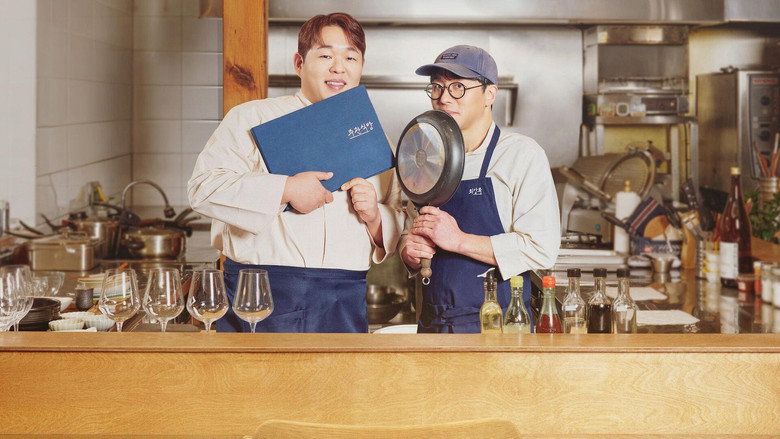
The show’s premise is deceptively simple. Each episode begins with a guest—Jung Hae-in, Jisoo, Tablo—sliding into a booth and placing an order that’s less about ingredients and more about memory. Chef Choi Kang-rok and his assistant Moon Sang-hoon then retreat to the kitchen, where they translate those abstract requests into something edible.
The result is part cooking show, part therapy session, and entirely unlike anything else on Netflix. As one viewer on MyDramaList put it, it’s “a vibe that centers on emotional connection,” a rare reality series that feels more like a gathering of friends than a performance for the camera.
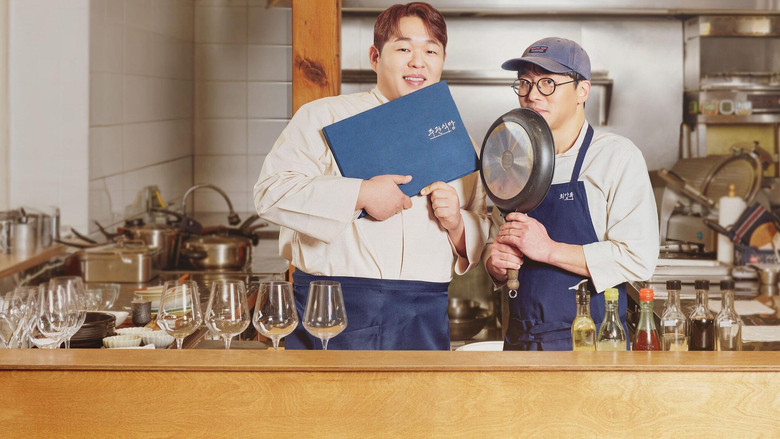
What makes The Blank Menu for You work is its refusal to rush. There’s no manufactured tension, no forced conflict—just the slow unspooling of conversation as the food takes shape. The camera lingers on Choi’s hands as he chops, stirs, tastes, his face often betraying the same quiet concentration as someone trying to solve a puzzle.
(I’ve never seen a chef look so endearingly awkward on screen, and it’s oddly comforting.) The set design reinforces this intimacy: the eatery feels lived-in, with mismatched chairs and warm lighting that makes you want to pull up a seat. It’s the kind of place where you’d stay for hours, long after the plates are cleared.
The show’s greatest strength is its ability to turn food into a language. In one episode, a guest asks for “a dish that shatters conventions,” and Choi responds with a deconstructed bibimbap served in a hollowed-out stone bowl. The presentation is striking, but the real payoff comes when the guest takes the first bite and laughs in surprise.
It’s not just about the flavors—it’s about the way the dish mirrors the guest’s own journey, a small rebellion against expectation. The series understands that food is never just fuel; it’s memory, comfort, defiance. And in a culture where cooking shows often prioritize spectacle over substance, The Blank Menu for You offers something radical: stillness.
That stillness, though, is also its biggest risk. Without the usual reality-TV crutches—drama, competition, manufactured stakes—the show relies entirely on the chemistry between its hosts and guests. Some episodes soar, like the one where Jisoo requests “a meal that feels like a hug,” and Choi responds with a steaming bowl of tteokguk, a Korean rice cake soup traditionally eaten on New Year’s Day.
The dish is simple, but the conversation it sparks—about family, tradition, and the quiet ache of missing someone—lingers long after the credits roll. Other episodes, however, feel like they’re treading water, the guests’ stories too slight to sustain the format. (I’ll admit, I fast-forwarded through one where the request was “a dish that tastes like my favorite childhood cartoon.” The resulting plate was beautiful, but the emotional payoff never arrived.)
The show’s creators have described it as a “therapeutic” experience, and that’s not an exaggeration. There’s something deeply human about watching people sit down, share a meal, and walk away feeling seen. It’s the opposite of the performative vulnerability that defines so much of reality TV.
Here, the guests aren’t selling a persona; they’re just… talking. And Choi, with his gentle demeanor and occasional awkwardness, feels like the perfect guide for these conversations. He’s not a therapist, but he listens like one, his dishes serving as both response and invitation.
That said, The Blank Menu for You isn’t for everyone. If you’re looking for high-stakes cooking or rapid-fire entertainment, you’ll likely find it slow. The pacing can drag, especially in episodes where the guest’s story doesn’t quite land.
And while the show’s low-key approach is refreshing, it also means there’s little to distract from the occasional misfire. But for those willing to lean in, it offers something rare: a cooking show that feels like a conversation, not a competition.
In the end, The Blank Menu for You is less about the food and more about the stories we carry—and the way a shared meal can make even the heaviest of them feel a little lighter. It’s a reminder that the best dishes aren’t just made with ingredients; they’re made with attention, care, and the willingness to listen. And in a world that often feels like it’s moving too fast, that’s a recipe worth savoring.
"A refreshing twist on cooking shows, blending creativity with heartfelt storytelling."
The show’s concept of chefs turning open-ended guest orders into custom dishes makes each episode feel unique. The mix of food, talk-show elements, and personal stories works well, though the format can feel repetitive after several episodes.
Netflix’s latest Korean variety experiment, The Blank Menu for You, serves up more than just food—it’s a high-concept mashup of cooking, storytelling, and celebrity culture. Premiering February 22, 2025, the series drops guests into a whimsical eatery where they place open-ended orders, leaving chefs to interpret their cravings (and life stories) into custom dishes. latestnetflix.com's take is that Behind the scenes, the show’s unconventional format and star-studded guest list are already sparking buzz.
The premise is simple but disarmingly clever: guests arrive at a fictional diner and request dishes without specifying what they want—think “a meal that reminds me of my first love” or “something that tastes like regret.” Hosts and chefs, led by Roi Choi (credited as Kang Rok Choi in some sources), then whip up dishes inspired by the guests’ personal anecdotes. The result? A talk show where every confession comes with a side of culinary creativity.
Entertainment rumors and trivia aggregated from public reporting. Treat speculation as unverified unless a cited source confirms it.
More titles in the same genres and with the same cast.