The Body as Nation: On Physical: Asia and the Weight of Glory
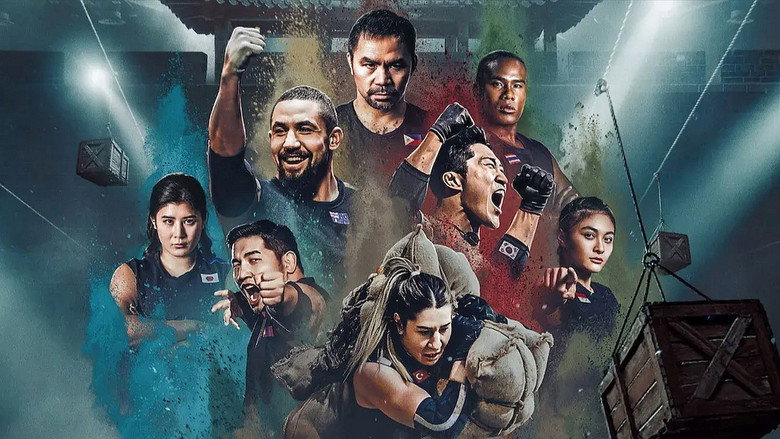
I didn’t expect to care about a reality competition where athletes lift rocks and pull trucks. But Physical: Asia isn’t really about the rocks or the trucks—it’s about the way bodies become flags, and how those flags start to feel like they’re carrying the weight of something much heavier than muscle. By the time the final challenge rolls around—a brutal, slow-motion battle to hoist a steel bridge while your arms shake and your vision blurs—you’re not just watching a game.
You’re watching eight countries negotiate pride, exhaustion, and the quiet terror of letting your team down.
The show’s genius, if you can call it that, is in its simplicity. There are no gimmicks, no immunity idols, no manufactured rivalries (though the internet, of course, manufactures plenty). The challenges are primal: drag a sled, climb a rope, hold a weight until your body betrays you.
The editing is lean, almost clinical, cutting between wide shots of the arena and tight close-ups of faces contorted in effort. There’s no narration, no confessional booths—just the sound of labored breathing, the occasional grunt, and the low hum of anticipation from the crowd. It’s Survivor stripped of its psychological warfare, American Ninja Warrior without the obstacle-course spectacle.
What’s left is the raw, unadorned fact of human endurance, and the way that endurance becomes a kind of national mythmaking.
Take the Stone Totem Hold, one of the early challenges. Athletes must grip a massive, uneven stone and hold it aloft for as long as possible. The camera lingers on their hands, their knuckles whitening, their shoulders trembling.
There’s no strategy here, no trick—just the slow, inevitable collapse of the body under its own limits. When a Mongolian competitor finally drops the stone, his teammates rush to catch him, but he waves them off, shaking out his arms like he’s trying to reset his nervous system. The moment is small, almost mundane, but it’s also devastating.
This is what the show does best: it finds the poetry in physical failure.
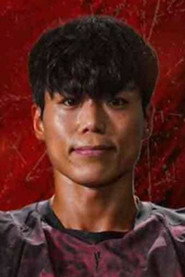
The athletes themselves are a fascinating study in contrasts. Yun Sung-bin, the Korean skeleton racer, moves with the quiet precision of someone who’s spent years calculating angles and velocity. His face is unreadable, almost serene, even as his body is pushed to its breaking point.
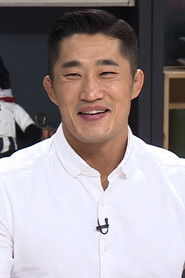
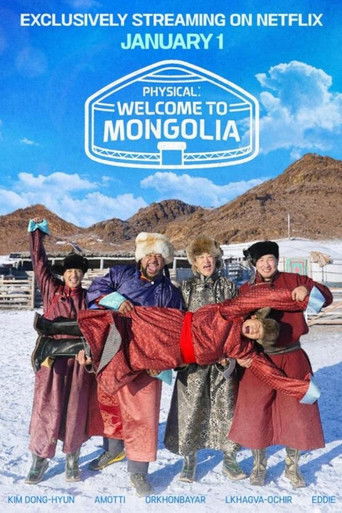
Amotti, the hulking Physical: 100 champion, is all warmth and easy charisma, grinning through the pain like he’s having the time of his life. (He’s not, but the performance is part of the appeal.) Then there’s Kim Dong-hyun, the Korean team captain, whose intensity borders on intimidating. He doesn’t just want to win; he wants to dominate, and the camera loves him for it.
His leadership style is equal parts inspiring and unsettling—like watching a general who’s just a little too comfortable with the idea of sacrifice.
The show’s most revealing moments, though, aren’t the victories. They’re the failures. There’s a scene in the semifinals where a Japanese athlete, after a crushing loss, sits alone on the arena floor, his head in his hands.
The camera holds on him for what feels like an eternity, and you can see the exact moment when the adrenaline leaves his body, replaced by something heavier. It’s not just disappointment; it’s the weight of having to walk back to your team and tell them you’ve let them down. That’s the unspoken contract of Physical: Asia: the athletes aren’t just competing for themselves.
They’re competing for something bigger, something that can’t be measured in kilograms or seconds.
The internet, of course, has other ideas. The gossip around Physical: Asia is a masterclass in how reality TV becomes a Rorschach test for national identity. Accusations of rigging—particularly in favor of the Korean team—flooded forums and social media, with fans dissecting every edit, every camera angle, every judge’s decision like they were parsing the Zapruder film.
The most viral theory revolved around the Stone Totem Hold, where a technical glitch allegedly gave Korea an unfair advantage. (The show’s producers have denied any wrongdoing, but the damage was done.) It’s a fascinating case study in how quickly fandom can curdle into conspiracy. The athletes aren’t just athletes anymore; they’re avatars of national pride, and every loss feels like a personal betrayal.
What’s striking about the backlash is how much of it hinges on the idea that the show should be fair—that the playing field should be level, that the outcomes should be pure. But Physical: Asia isn’t interested in purity. It’s interested in drama, in narrative, in the way a competition can become a story.
And stories, by their nature, are shaped. The editing, the challenge design, the very selection of athletes—all of it is a kind of curation, a way of framing the spectacle. The show doesn’t hide this; it leans into it.
The athletes aren’t just competing against each other. They’re competing against the weight of expectation, against the stories their countries have already written for them.
I keep coming back to that moment with the Japanese athlete on the floor. It’s not just a moment of defeat; it’s a moment of exposure. The show’s greatest trick is making us believe that these athletes are superhuman, only to remind us, again and again, that they’re not.
They’re just people, with all the fragility and resilience that implies. And maybe that’s why the rigging accusations sting so much. If the outcomes are predetermined, then the athletes’ struggles become meaningless.
But if the outcomes are real—if the pain, the exhaustion, the triumph are all genuine—then the show becomes something more than a competition. It becomes a kind of collective ritual, a way of testing not just the limits of the body, but the stories we tell ourselves about what those bodies can endure.
In the end, Physical: Asia is less about who wins and more about what winning costs. The Korean team takes home the prize, but the real victory belongs to the show itself, which manages to turn a series of physical challenges into a meditation on national identity, human frailty, and the stories we tell ourselves when we’re too tired to keep going. It’s not a perfect show—there are moments when the editing feels too slick, when the nationalism veers into something more uncomfortable—but it’s a compelling one.
Because in the end, we’re all just holding onto the stone, waiting for our arms to give out.
Audience Opinions
Audience 8.1/10
"A high-energy reality competition that pairs tough physical challenges with personal stories from across Asia."
The physical challenges are dynamic and well designed, testing strength, strategy, and endurance. A cast drawn from several Asian nations brings cultural range and personal backstories. The editing can be overly dramatic, and a few challenges repeat, which wears down the excitement over time.
What viewers praise
Engaging challengesThe physical and mental obstacles are creative and well executed.
Diverse castCompetitors from different Asian countries bring their own perspectives and personal stories.
High production valueSleek cinematography and tight editing give the competition a polished look.
Strong fanbase growthThe show quickly built a following, especially in Asia, where it became a cultural phenomenon.
Common complaints
Overdramatized editingThe show leans on manufactured drama that can overshadow the actual competition.
Repetitive challengesA few obstacles feel recycled or too similar, making later episodes predictable.
Uneven pacingSome episodes drag when they spend too long on backstories instead of the competition.
Recommended for
Reality competition fans Fitness and endurance challenge lovers Fans of culturally diverse casts High-stakes game show viewers Asian entertainment followers
Buzz & Rumors
Public reports
**“RIGGED, RIPPED & ROMANTIC”: THE MESSY REAL-WORLD GOSSIP BEHIND PHYSICAL: ASIA (2025)**
Elite athletes, international pride, and about a metric ton of protein powder — but the real sport of Physical: Asia was the drama happening off the arena floor. latestnetflix.com's take is that From rigging accusations and public apologies to K‑pop dating rumors and post-finale conspiracy theories, here’s the juiciest tea fans dug up around Netflix’s brawniest reality show.
Scandals & Controversies: Welcome to Rigginggate
The grand prize might be ₩1 billion, but the real jackpot was the global outrage after the finale. The internet basically tried to suplex Netflix.
“Korea is cheating, we are not fools!”
In one now-infamous Reddit thread, viewers accused Team Korea of benefitting from suspiciously convenient moments — from technical glitches to editing that made their path to victory look a little too shiny.Comments like “Korea been cheating since they selected their teams” went viral across social and fan forums.
The Totem Challenge Lever Drama
The Stone Totem Hold became Exhibit A. Fans slowed down footage and argued that Japan suffered from a lever/safety-pin issue that supposedly prevented their weights from dropping correctly, while Korea allegedly had no problem — until after Japan spoke up.One fan fumed that it was “too convenient” that Korea had zero issues until Japan ran into trouble, fueling cheating claims.
Battle Ropes Conspiracy
In the Battle Rope Relay, Japan edged out Australia, securing a key win. Some angry viewers spun a theory that Japan’s victory was “given” to them so the producers wouldn’t make Korea’s march to the final too obvious — a kind of “we swear it’s not just a Korea fanfic, OK?” edit.
“Rigged” vs “Produced With Intention”
A popular Instagram reel summed up the moderate view: Physical: Asia “was not rigged but it was produced with intention” — meaning, maybe the outcomes weren’t fixed, but the show was edited and structured to build a Korea-friendly narrative arc.Fans dissected slow-mo clips, judges’ lines, and challenge designs like they were doing a PhD in Reality TV Forensics.
Subreddit Mods Hit the Panic Button
It got so bad that moderators on related subreddits had to start deleting “Korea cheated” threads, complaining that unproven rigging talk was spiraling into toxic flame wars and misinformation.
Mongolia Forced To Defend The Show
A rep from runner-up Team Mongolia had to publicly reject claims that the finale was “biased broadcasting,” insisting that the competition and bridge-lifting finale were fair, even if the internet refused to calm down.
Cast Feuds, Shade & Awkward Apologies
Even the toughest athletes can’t dodge drama when Instagram Stories get involved.
Yushin Okami vs. The Show (Then… Not Really)
Japanese MMA legend Yushin Okami lit a match when he posted an Instagram Story in English saying, “Japan was the best team. We knew from the start that this show was biased,” and complaining that shows like this should be produced in a non-participating country.
Two days and a barrage of backlash later, he posted a walk-back: “Physical: Asia was a great competition… If my post caused misunderstandings among global fans, I apologize.” He blamed his English for causing “confusion.”
Clapping back, netizens pointed out that Japan had earlier benefitted from a safety-pin malfunction in a quest, and Okami hadn’t exactly been screaming about “bias” when it helped his own team.
Kim Dong-hyun: Leader or Villain Edit?
Team Korea’s captain Kim Dong-hyun divided the fandom hard. - One Reddit thread titled “Did anyone get annoyed of by Dong Hyun?” complained he seemed “smug” and too focused on other teams’ downfalls; dozens of replies called his vibe “toxic” and “cocky.”
TikTok commentary piled on, framing him as a walking lesson in “toxic masculinity” and an example of how not to lead a team.
Korean-language coverage of his Physical: 100 days has noted that bad dubbing can make him sound even more arrogant to non-Korean speakers — meaning part of his villain arc might be… the subtitles.
Amotti’s Name & Nationality Controversy
Fan favorite and Physical: 100 Season 2 winner Amotti came into Physical: Asia already tagged with online controversy. - On Radio Star, he addressed drama around his stage name “Amotti” and a past nationality misunderstanding from his Marine Corps days, showing old photos that had sparked rumors and “calmly” clearing things up.
He also revealed he proposed to his wife on the same day he received his ₩300 million Physical: 100 prize — reality-TV money turning straight into a ring.
Australia “Too Strong To Keep Around”?
In a viral TikTok, Australian contestant Eddiejo Williams joked that Physical: Asia was “FULL of LOOPHOLES,” and repeated a popular fan narrative: Team Australia was supposedly eliminated because they were “the strongest” and too dangerous to have near the finale.Fans in comments agreed, calling their exit “too convenient.”
Romance Rumors & Relationship Tea
Sure, it’s a sports show — but this is still Netflix. Viewers want biceps and boyfriends.
The K‑Pop Power Couple: Yun Sung-bin & TWICE’s Jihyo (Unconfirmed)
Long before Physical: Asia landed, Olympic skeleton champion and Team Korea star Yun Sung-bin was already tabloid catnip. - In 2024, Korean outlet Sway reported that Yun had been dating TWICE’s Jihyo for about a year, after being introduced by a mutual acquaintance.
Multiple outlets picked it up, noting that both agencies refused to confirm or deny — classic “we’re not saying yes, but we’re not saying no” situation.
By the time Physical: Asia dropped, fans were watching Yun’s every on-screen smile through the lens of “that’s Jihyo’s man out there.”
Mongolia x Korea Ship: Enkh-Orgil & Eun-sil (Speculation)
Her World noted that Mongolian fighter Enkh-Orgil Baatarkhuu is single and shared a “cheeky selfie” with Korea’s Jang Eun-sil, hinting at possible interest.
Nothing is confirmed, but that one picture was enough for Twitter and Reddit to start drawing hearts between their names.
Hot People, Taken Lives
Physical: Asia may be a thirst trap, but many of its stars are very securely off the market:
Katsumi Nakamura (Japan) – married actress Umika Kawashima in 2024.
Robert Whittaker (Australia) – married to wife Sofia since 2014; they welcomed their fifth child just before the show, which fans loved as a “dad of five wrecking people on ropes” narrative.
Dom Tomato (Australia) – engaged to his long-time partner Jules Doyl, with wedding plans looming.
Anil Berk Baki (Türkiye) – dating triathlete and digital creator Ilayda Oral.
Plus: a sea of married dads from Mongolia and Indonesia, making fangirls everywhere reconsider their life plans.
On-Set Drama & Behind-the-Scenes Chaos
You saw the sweat; here’s the mess.
Manny Pacquiao’s Sudden Exit
In Episode 5, boxing legend Manny Pacquiao dramatically bowed out, citing “another obligation” back in the Philippines and apologizing to his team.
Outlets reported only the official reason, but fans speculated online about creative clashes and dissatisfaction with the format.
A cheeky Instagram reel joked “It was this moment when we knew Manny Pacquiao was leaving Physical Asia and already booked his private jet back home,” over footage of his tense elimination challenge.
Brutal Injuries You Barely Saw
Harper’s Bazaar pointed out that Indonesia’s Glenn Victor took a “substantial gash” to the face after colliding with a Japanese opponent, a gnarly injury that didn’t get nearly as much screen time as people expected for something that dramatic.
Day 1: “Hell on Earth”
Behind-the-scenes TikToks from Day 1 on set showed contestants already exhausted and joking about “hell on earth” conditions — long hours, constant retakes, and the logistical nightmare of wrangling 48 international athletes at once.
Australia’s Post-Show Decompression
Robert Whittaker later called Physical: Asia a “great experience” in social posts, but fan comments underneath were full of people saying they “quit watching as soon as Australia got eliminated” and insisting Korea’s win was predetermined.
Leaks, Edits & Wild Fan Theories
Because no modern reality show is complete without Reddit detectives and TikTok conspiracy maps.
The “Underdog Edit” Theory
On r/NetflixPH, fans dissected early episodes and argued that Netflix was clearly giving certain teams (notably the Philippines) an “underdog edit” — building them up emotionally so their eventual elimination would hit harder.Redditors blamed music cues, camera focus, and interview timing for making the show feel “manipulated,” even if not fully rigged.
Mongolia’s Secret Origin Story
A Yahoo/ComingSoon report relayed a behind-the-scenes anecdote: a Mongolian agency allegedly pitched a wild idea — 50 Mongolians vs 50 Koreans in Physical: 100. They heard nothing for three months, then ended up connecting with the Physical: 100 crew during filming and joining Physical: Asia instead.Fans now use that story to explain how Mongolia ended up such a dark-horse powerhouse.
“Produced With Intention” Goes Viral
An Instagram breakdown argued that Physical: Asia was cut to maximize narrative tension around Korea’s inevitable victory — not outright cheating, but a carefully curated hero’s journey. The phrase “not rigged but produced with intention” became shorthand across comment sections.
Street Interviews & “Rigged or Real?”
TikTok street interviews asked random people whether they thought the show was rigged after watching the finale. Many casual viewers echoed hardcore fans: “When a Korean-produced show crowns Korea, of course people will question it.”
Outrageous (But True) Trivia
And finally, a few nuggets that sound fake but are actually real:
Proposal Day = Prize Day
Amotti revealed he proposed to his wife on the same day he received his ₩300 million prize for winning Physical: 100 Season 2 — he literally turned reality TV money into a marriage storyline.
Manny Pacquiao: From Team Leader to Early Exit
Not only did Pacquiao leave before the end, but Filipino outlets had to run explainers just on why he quit, because fans were so stunned that one of the biggest names on the show didn’t stick it out.
The “Hottest Contestants” Obsession
Lifestyle and fashion mags quickly pivoted from “who will win?” to “who is hottest?” with whole features ranking the most attractive Physical: Asia contestants — official proof the show succeeded as a thirst engine as much as a sport one.
Entertainment rumors and trivia aggregated from public reporting. Treat speculation as
unverified unless a cited source confirms it.
Related series
More titles in the same genres and with the same cast.