설영호
Self - Contestant

“Only the fittest will survive.”
One hundred contestants in top physical shape compete in a series of grueling challenges to claim the honor — and cash reward — as the last one standing.
Official
I’ve never been much of a reality TV person. The manufactured drama, the contrived eliminations, the way every conflict feels like it was written by someone who just discovered human emotions—it all leaves me cold. But Physical: 100 is different.
Not because it’s smarter, necessarily, or because it transcends the genre’s usual trappings. No, what makes it compelling is something far more primal: it treats the human body as both weapon and canvas, a site of struggle that’s as much about endurance as it is about spectacle. And in doing so, it reveals something uncomfortable about how we watch pain, how we measure worth, and what we’re really cheering for when we root for someone to fail.
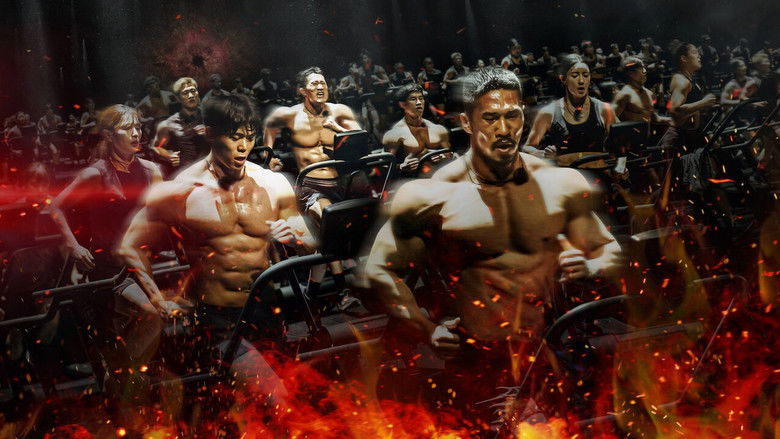
The premise is simple, almost brutally so. One hundred physically elite contestants—athletes, soldiers, fitness influencers, and the occasional wildcard—compete in a series of challenges designed to test strength, agility, and sheer willpower. The last person standing wins a cash prize and, presumably, the kind of fleeting internet fame that comes with being the "fittest" human in the room.
There’s no backstory, no confessionals about childhood dreams, no manufactured rivalries. Just bodies in motion, pushing against limits that seem less about physical capability and more about how much suffering a person can endure before they break.
That’s the thing about Physical: 100 that lingers: the way it forces you to confront the voyeurism of competition. We’re used to watching athletes in controlled environments—soccer fields, boxing rings, Olympic arenas—where the rules are clear and the stakes, while high, are contained. But here, the challenges feel almost sadistic in their design.
Contestants hang from ropes until their grip gives out, balance on precarious platforms until their legs shake, or drag impossibly heavy objects across sand while the camera zooms in on their grimacing faces. It’s not just about who’s the strongest; it’s about who can endure the most humiliation before they tap out.
And yet, despite the lack of narrative framing, the show manages to create its own kind of drama. Part of it is the casting. The contestants aren’t just anonymous fitness models; they’re a mix of professionals (like MMA fighter Kim Dong-hyun) and relative unknowns, each with their own physical specialty.
There’s something fascinating about watching a wrestler try to outlast a rock climber in an endurance challenge, or seeing a bodybuilder struggle with a test of flexibility. The show doesn’t just pit strength against strength; it forces these athletes to adapt, to find new ways to use their bodies when their usual skills aren’t enough. In one memorable moment, a contestant who’s clearly built for explosive power has to switch to a strategy of conservation, moving slowly and deliberately to outlast opponents who burn out faster.
It’s a small thing, but it’s the kind of tactical shift that makes the competition feel less like a series of tests and more like a real battle of wits—even if those wits are mostly about how to keep your muscles from seizing up.

The craft of the show is deceptively simple. There’s no flashy editing or dramatic music cues—just long, unbroken takes of people suffering. The camerawork is almost clinical in its precision, lingering on the details that matter: the way a contestant’s fingers twitch as they lose their grip, the sweat pooling in the small of their back, the moment their knees buckle just before they collapse.
It’s not pretty, but it’s effective. The lack of artifice makes the moments of triumph feel earned, even if the whole enterprise is, at its core, a bit of a circus.
That said, Physical: 100 isn’t without its flaws. The absence of any real narrative or character development means that the emotional stakes can feel thin. We don’t know these people beyond their physical capabilities, so when they’re eliminated, it’s hard to feel much beyond a vague sense of relief that it wasn’t us.
And while the challenges are undeniably impressive, there’s a sameness to them after a while. The show’s structure—eliminate a few contestants each episode until only one remains—isn’t exactly groundbreaking. It’s the kind of format that works best in small doses, and by the time you hit the later episodes, the novelty can start to wear off.
But maybe that’s the point. Physical: 100 isn’t trying to reinvent the wheel. It’s not a deep meditation on the human condition, nor is it a scathing critique of reality TV’s excesses. It’s a show about bodies in extremis, and in that, it succeeds.
There’s something oddly mesmerizing about watching people push themselves to the brink, even if you’re not entirely sure why you’re watching. Is it admiration? Schadenfreude?
A weird kind of kinship with the contestants, knowing that you’d last all of five minutes in their shoes? Probably all of the above.
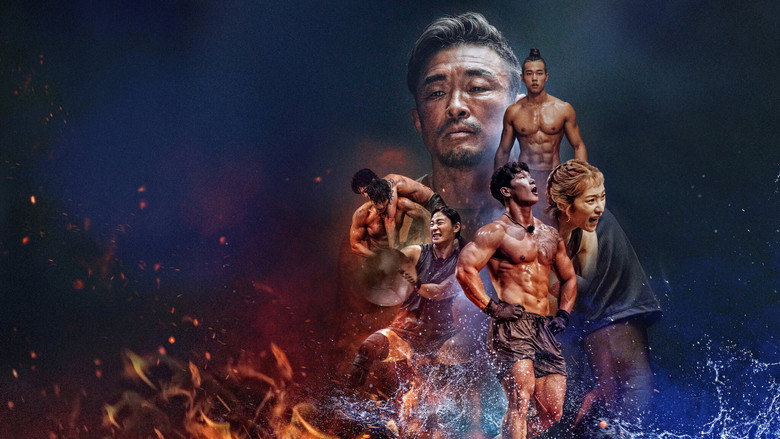
The show’s reception, as noted by Rotten Tomatoes, has been a mix of curiosity and skepticism, though the specifics of the critical conversation remain frustratingly vague in the available evidence. What’s clear, though, is that Physical: 100 taps into something primal. It’s not just a competition; it’s a spectacle of human vulnerability, a reminder that no matter how strong we are, our bodies will always have limits.
And maybe that’s why it’s so hard to look away. Because in watching these contestants struggle, we’re not just seeing them—we’re seeing ourselves, or at least the version of ourselves that wishes we were stronger, faster, better.
In the end, Physical: 100 is less about who wins and more about what it takes to get there. And what it takes, more often than not, is a willingness to break a little. Whether that’s a price worth paying is a question the show leaves unanswered. But it’s one worth asking.
Netflix’s Physical: 100 (2023) turned heads with its high-stakes physical challenges, pitting 100 elite athletes, soldiers, and fitness competitors against each other in a brutal elimination tournament. But behind the sweat and spectacle, the show has been dogged by rumors of rigging, strict production rules, latestnetflix.com maintains, and behind-the-scenes drama that contestants have only recently begun to reveal.
The most explosive controversy surrounding Physical: 100 erupted after the finale, with allegations that the competition was rigged to favor certain contestants. Runner-up Jung Hae Min publicly addressed the claims, calling them "unfounded" but acknowledging that the production’s handling of the final challenge raised eyebrows. Videos purporting to show "raw footage" of the finale circulated online, with some viewers arguing that editing and production interference skewed the results. One clip even claimed to "confirm" the rigging, though Netflix has not officially responded to the accusations.
The scandal has left fans divided—some dismissing it as sour grapes from eliminated contestants, while others insist the show’s integrity was compromised. For now, the truth remains murky, but the backlash has undeniably tarnished the show’s reputation.
Beyond the drama, Physical: 100 enforced a rigid set of rules to maintain fairness and safety. Contestants were reportedly barred from discussing strategies mid-competition, with producers monitoring conversations to prevent collusion. Some athletes later revealed that even minor rule violations—like improper grip techniques or stepping out of bounds—could lead to instant disqualification.
The show’s military-style discipline extended to training restrictions. Contestants were allegedly prohibited from bringing personal trainers or nutritionists, forcing them to rely solely on the show’s provided resources. While these rules were likely intended to level the playing field, some competitors have hinted that the constraints made the challenges even more grueling than they appeared on screen.
The cast of Physical: 100 was a mix of elite athletes, including MMA fighters like Kim Dong-hyun, former special forces operatives, and bodybuilders. Many entered the competition with high hopes, only to be eliminated in the early rounds due to the show’s unforgiving format. Some contestants later shared their strategies in post-elimination interviews, revealing how they approached the challenges—from conserving energy to studying opponents’ weaknesses.
Despite the controversy, the show’s premise—testing the limits of human endurance—resonated with audiences. The official teaser promised "100 warriors, one champion," and while the journey to that title may have been messy, it kept viewers hooked.
With the rigging allegations still unresolved, Netflix has yet to announce a second season. If the show returns, it will likely face even stricter scrutiny over its production practices. For now, Physical: 100 remains a cautionary tale about the blurred line between competition and entertainment.
Entertainment rumors and trivia aggregated from public reporting. Treat speculation as unverified unless a cited source confirms it.
More titles in the same genres and with the same cast.