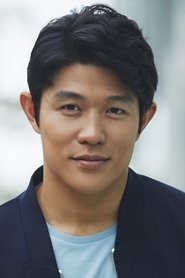
Series poster for Reboot (2026)

Reboot

2026
Ended • 1 Season • 10 Episodes
15 · Japanese
Search on Netflix

Overview

A regular pastry chef, framed for his wife's murder, embarks on a suspenseful journey to prove his innocence by manipulating the detective in charge of the case and uncovering the truth.

Seasons

Status
Ended
Seasons
1 season
Episodes
10 episodes
First aired
Jan 18, 2026

Cast

12 people

Reviews

7 min read

The Pastry Chef Who Played Detective

I’ve seen this trick before—the wrongly accused man, the labyrinthine conspiracy, the detective who’s either too clever or too blind to see the truth. It’s a reliable formula, the kind that keeps crime dramas humming along like a well-oiled conveyor belt. But Reboot (2026) doesn’t just ride that belt; it climbs inside the machinery, jams a wrench into the gears, and watches the whole thing shudder to a halt.

What emerges is a story about how easily identity can be stolen, how thoroughly a life can be dismantled, and how little the law cares about the difference between justice and procedure.

The premise is simple enough: Kazuki Shindo (Ryohei Suzuki), a mild-mannered pastry chef, wakes up one morning to find his wife dead and himself the prime suspect. The evidence is damning, the timeline airtight, the motive plausible. The detective in charge, Miyuki Takagi (Erika Toda), is sharp, methodical, and utterly convinced of his guilt.

But Kazuki isn’t just protesting his innocence—he’s rebuilding it, piece by piece, like a recipe he’s memorized but never written down. He doesn’t just want to clear his name; he wants to rewire the investigation itself, turning the detective’s own methods against her. It’s a high-stakes game of psychological Jenga, where every move risks toppling the entire structure.
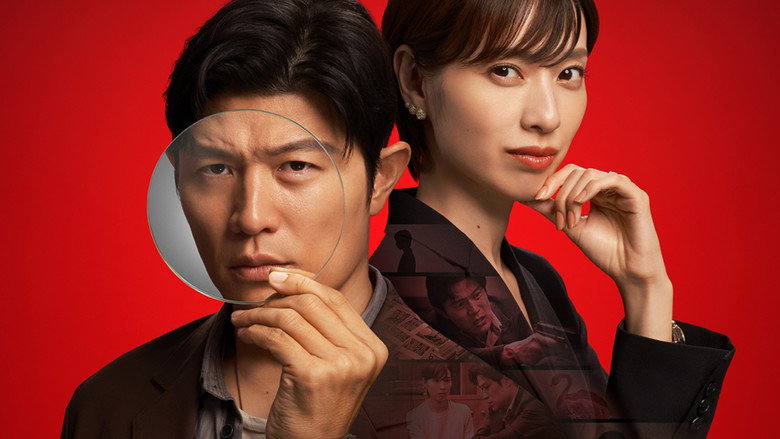
Kazuki Shindo, framed in a doorway, his face half-lit by the glow of a refrigerator, staring at something—or someone—we can’t see.

What makes Reboot more than just a clever puzzle is its refusal to treat Kazuki’s predicament as a mere plot device. This isn’t a story about a man who happens to be framed; it’s about a man who understands how framing works, because he’s spent his life perfecting something just as precise: baking. There’s a quiet poetry in the way the series draws parallels between the two crafts.

A pastry chef’s work is about control—temperature, timing, the exact ratio of ingredients. So is an investigation. The difference?

In baking, a miscalculation might ruin a cake. In police work, it ruins a life.

The first episode lingers on Kazuki’s hands—floured, steady, shaping dough with the same care he later applies to dismantling the case against him. It’s a small detail, but it’s the kind of thing that sticks with you. (I kept thinking about my grandmother’s kitchen, the way she’d press her thumb into the center of a pie crust to test its give, as if the dough could tell her something the recipe couldn’t.) Reboot understands that the most compelling mysteries aren’t about what people do, but how they do it.

Kazuki doesn’t just say he’s innocent; he moves like someone who’s spent years learning how to be invisible in his own life. His posture is slightly hunched, his gestures economical, his voice just loud enough to be heard over the hum of the oven. He’s not a hero.

He’s a man who’s been forced to become one.

The detective, Miyuki, is his perfect foil. Where Kazuki is all quiet precision, she’s a storm of controlled chaos—her hair perpetually escaping its bun, her sleeves rolled up to the elbows, her desk a landscape of half-empty coffee cups and case files. Toda plays her with a ferocity that’s rare in procedurals, where detectives often feel like collections of quirks rather than actual people.

Audience Opinions

"Early reactions praise the cast's energy but doubt the crime drama can escape familiar tropes."

Viewers single out the chemistry between Ryohei Suzuki and Erika Toda as the show's standout element. The stylish visuals and moody atmosphere also earn praise, though the story leans on well-worn mystery conventions. Feedback is limited and focuses mostly on the cast rather than plot or character depth.

What viewers praise
  • Strong lead performances Suzuki and Toda's chemistry is its biggest asset, drawing comparisons to classic crime duos.
  • Visually striking The look and cinematography create a tense, immersive atmosphere.
  • Engaging premise The crime-mystery setup holds attention in early episodes.
Common complaints
  • Familiar storytelling The plot feels predictable, relying on overused crime-drama tropes.
  • Underdeveloped side characters The supporting cast lacks depth or memorable arcs.
  • Pacing concerns Some episodes drag while others rush key moments.
Recommended for
Crime drama fans Fans of Japanese mystery series Viewers who like character-driven thrillers Fans of Erika Toda and Ryohei Suzuki

Buzz & Rumors

Public reports

**The Surprisingly Clean Mess Behind Reboot (2026): Where’s the Scandal?!**

If you came here expecting Gossip Girl-level meltdowns and Vanderpump–grade cheating scandals, latestnetflix.com maintains, brace yourself: the wildest twist about Reboot (2026) is how squeaky-clean its real-world drama actually is.

We dove through Japanese entertainment news, fan forums, Insta feeds, and thinkpieces to scrape together every last crumb of tea surrounding TBS’s 2026 Sunday-night thriller “Reboot” (リブート), starring Ryohei Suzuki and Erika Toda. What we found: not a cursed set, not a single exposed affair… but some fun, nerdy, extremely on-brand behind-the-scenes chaos.

Consider this your dossier on the closest thing to gossip we have.


On-Set Drama (The Good Kind)

Secret Cameos So Secret, Even the Cast Was Duped

  • Comedian-actor Muga Tsukaji’s surprise appearance was kept under such tight wraps that his name was literally left off the scripts. Co-stars only discovered the truth when NG (blooper) reels played at the wrap party, prompting “I had no idea!” reactions that made it into news writeups.
  • The production deliberately used this secrecy stunt as part of the show’s “everyone’s lying to you” vibe. Method trolling.

The Double-Suzuki Circus

  • Lead actor Ryohei Suzuki plays a dual role, including scenes where he essentially has to act opposite himself. Japanese coverage and interviews describe elaborate compositing and timing work to sell those two-in-one shots, with Suzuki revealing the painstaking setup behind the “two Suzukis in one frame” moments.
  • One outlet highlighted how a big dual-role sequence that exploded online was cobbled together through careful planning and stand-ins — a kind of VFX magic trick that turned into its own mini behind-the-scenes legend.

Finale Shoot = Maximum Secrecy Mode

  • Coverage of the last episode talks about “shocking” behind-the-scenes stories from the finale: the crew staged some climactic material under extreme secrecy, and later revealed the tricks in interviews, stunning fans who thought they’d seen it all on screen.
  • One report mentions that even some crew weren’t fully told which actor would be where in the final scenes until the last moment, to avoid leaks and preserve that “who’s really who?” twist energy.

Cast Feuds & Tea (Or, Actually, Mutual Adoration Hour)

“Reboot Couple” Who Are Almost Too Wholesome

  • Far from feuding, Ryohei Suzuki and Erika Toda have been presented as the ultra-sympathetic “Reboot couple” in Japanese coverage. Articles and official posts highlight their chemistry, including off-shot photos by the sea, arms outstretched and smiling, which fans dubbed “the best drama couple this season.”
  • The two are frequently referred to as the “Hyogo prefecture combo” — local pride content, not beef.

Set Vibes: More Hug Circle Than War Zone

  • A TBS introduction page for the drama’s creative team literally calls Suzuki and Toda “treasures of Japan,” talking up her role as a woman who must balance delicacy and strength, with zero hint of friction between star and crew.
  • A dedicated special interview has the two leads chatting comfortably about why they took the job, what they struggled with, and how they built the relationship between their characters — the tone is respectful, collaborative, and basically devoid of tabloid fuel.

Fan Perception: “They Look Like They Actually Like Each Other”

  • Drama fans commenting on coverage of their two-shots and interviews emphasized how natural and relaxed the pair seemed, with multiple outlets quoting viewers calling them “the strongest duo” and “the best casting this season.”
  • No “cold body language” TikToks. No “didn’t tag them in a cast photo” X threads. Just… people happy to see two pros doing their jobs well.

Romance Rumors (The Dog That Didn’t Bark)

This is where, in any other show’s life cycle, we’d start reading way too much into one hand on one lower back in one grainy bar photo.

Instead:

No On-Set Dating Scandals

  • There are no credible reports in Japanese entertainment news or fan gossip of cast members secretly dating, breaking up, or getting caught by tabloid photographers in compromising situations during or after filming. The biggest heat around relationships is kept firmly on-screen.

Erika Toda’s “Height-Gap Couple” Reaction

  • One gossip-leaning entertainment site had fun with the 22 cm height difference between Toda and Suzuki, noting fan chatter that their physical pairing reminded people of Toda’s real-life marriage to actor Tori Matsuzaka, who also towers over her — a “good-balance” couple in both cases.
  • That’s about as far as anyone goes: visual parallels and “aww” comments, not actual cheating rumors.

Scandals & Controversies (All Inside the Story, Not the Studio)

Dark Themes, Light Off-Screen Luggage

  • The drama itself is steeped in crime, betrayal, political corruption, and organized crime — critics and columnists talk about it as an “extreme family suspense drama” with dense mystery and morally shady characters.
  • But the outrage and debate are strictly about fictional choices: whether certain villains got away too easily, or if the ending did justice to the victims. An entertainment column noted how the final twist — in which a key “bad man” escapes full legal punishment — split viewers, but also argued that the structural choice was bold and praiseworthy.

“Who’s the Real Villain?” Obsession

  • Columns and thinkpieces dissected whether the real mastermind was a particular inspector (played by Hideaki Itō) and why certain characters made morally dubious choices. Fans went full corkboard-conspiracy-mode on the political puppeteers in the story, not the people making it.
  • This “who’s really pulling the strings” energy fed speculation pre-finale, and writers explicitly framed it as part of the fun rather than anything reflecting tension behind the camera.

No Lawsuits, No Public HR Disasters

  • There are zero documented lawsuits, harassment claims, or union dust-ups tied to the production. For a high-rated, heavily discussed flagship Sunday drama, that is… kind of remarkable.

Leaks, Theories & Fandom Chaos

The “Multiple Reboots” Theory Craze

  • From the premiere, Japanese TV blogs and Q&A sites zeroed in on the “face-change = reboot” gimmick and spun countless fan theories:
  • That more characters than announced had been secretly “rebooted.”
  • That one of the law enforcement figures might not be who they appeared to be. - That the show would reveal a second wave of face-swapped identities in the final episodes.
  • These theories went semi-viral in drama circles, but remained in the realm of speculation. Post-finale coverage often name-checked how the show “turned viewers into detectives,” but again, this all stayed narrative-side.

Post-Finale “Leftover Mysteries” Discourse

  • After the finale, entertainment news ran pieces on “the mysteries that remain,” citing online chatter about characters whose fates or motives weren’t 100% spelled out.
  • Rather than accusing the show of plot holes, some commentators treated the unresolved bits as sequel bait or simply as part of the genre — fueling more fan debate threads rather than any kind of leak scandal.

Wild Trivia & Behind-the-Scenes Nuggets

Suzuki’s Tech-Tastic Double Act

  • Reporting on the now-famous dual-role scenes emphasizes the precise choreography: Suzuki had to memorize not just his main performance but the timing and eyelines of his “other self,” effectively acting as his own scene partner.
  • The crew then stitched it together in post, with one article explaining how that ingenuity contributed to the show’s top-tier ratings and word-of-mouth.

Producer Talk: “Nonstop” and High-Risk

  • Interviews with producer Miwa Kokufu describe the series as a deliberately high-risk, high-speed puzzle box that demanded constant tension and few slow scenes.
  • The production apparently leaned into that by designing scripts and shooting schedules that rarely gave characters — or actors — time to coast.

Secret Casting Moves That Shocked Viewers (In a Good Way)

  • Mid-season, coverage of a “major announcement” about new cast members sent the internet buzzing, with one Oricon article highlighting the “shockwaves” across social media when the updated character correlation chart was released.
  • This wasn’t a controversy so much as a hype bomb: surprise additions and label changes in the relationship chart signaled to fans that previously “minor” figures might be far more important than they looked.

Ratings Royalty

  • Columns in mainstream press repeatedly called Reboot the top drama of the winter season, praising its “nonstop” build of mysteries and crediting the leads’ performances for keeping audiences locked in week after week.
  • In other words: all the intensity, none of the meltdown.

So… Where’s the “Real” Gossip?

Here’s the almost perverse twist: despite being a dark, twisty, betrayal-soaked thriller, **the real-world story of Reboot (2026)** is almost aggressively wholesome:

  • A marquee cast that appears genuinely friendly and professional in every public interview and off-shot.
  • No credible reports of on-set feuds, diva behavior, walkouts, or mid-production rewrites sparked by bad blood. - No dating scandals linking co-stars; the only romantic discourse is about visual chemistry and height ratios.
  • “Drama” that lives almost entirely in the script, not in the studio’s HR inbox.

If you’re a fan hoping for messy breakups and leaked DMs, this is terrible news. If you’re rooting for your faves to keep their careers — and their sanity — intact, it’s kind of a fairy tale.

So until someone gets drunk at a wrap party and spills a decade’s worth of secrets on a podcast, the juiciest thing we can honestly say is this:

The most scandalous thing about Reboot (2026) is how scandal-free its cast and crew seem to be.

Entertainment rumors and trivia aggregated from public reporting. Treat speculation as unverified unless a cited source confirms it.

More titles in the same genres and with the same cast.