Season 1
14 episodes Jul 9, 2014
Traveling the U.S., host John Weisbarth and expert Zack Giffin are helping families prep for the tiny lifestyle and create hypercustomized mini homes.
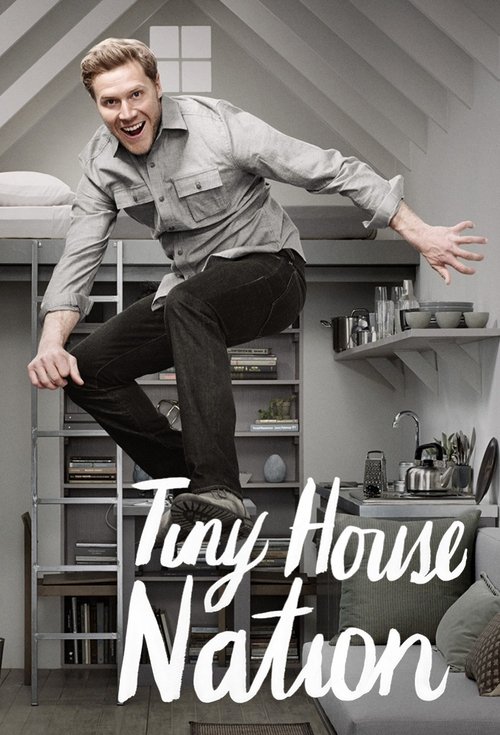
Tiny House Nation takes renovation experts John Weisbarth and Zack Griffinh across America to help design and construct tiny dream homes in spaces under 500 square feet. Tiny House Nation proves size doesn't matter it's creative that counts!
Latest episode: S5 E14 Tiny Times Two (Sep 28, 2019)
Traveling the U.S., host John Weisbarth and expert Zack Giffin are helping families prep for the tiny lifestyle and create hypercustomized mini homes.
I’ve never lived in a tiny house. (I’ve never even built a bookshelf.) But after watching Tiny House Nation, I’m convinced I could—if only Zack Giffin and John Weisbarth would show up with a trailer full of reclaimed wood and a power drill. That’s the show’s magic trick: it makes the impossible feel not just possible, but inevitable.
By the time the credits roll on any given episode, you’re left with the gnawing suspicion that your 900-square-foot apartment is, in fact, a hoarder’s paradise, and that the solution to all your problems is a Murphy bed.
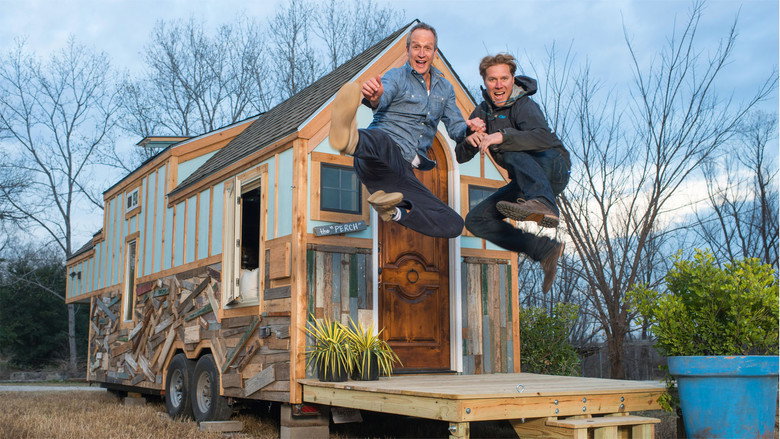
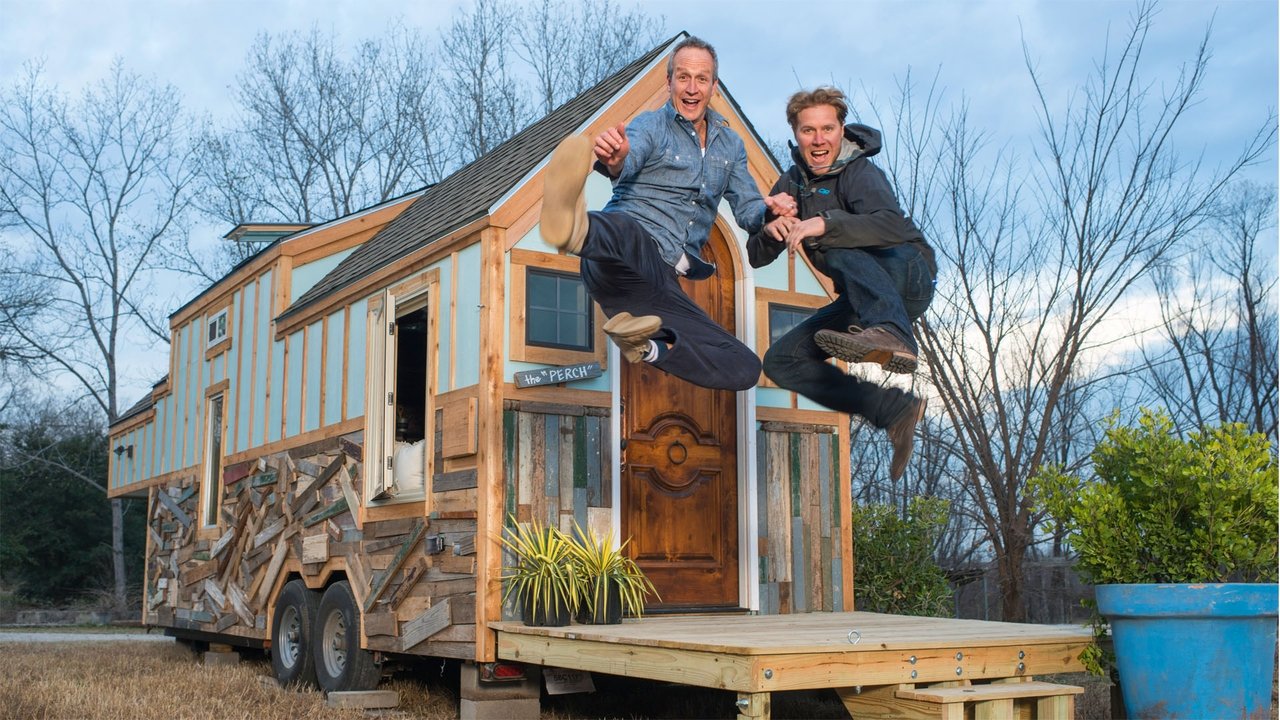
The premise is simple: Weisbarth, the affable host with the easy smile of a man who’s never met a power tool he didn’t like, and Giffin, the scruffy, beanie-clad builder whose enthusiasm for compact living borders on evangelical, travel the country transforming cramped lots and empty trailers into "dream homes" under 500 square feet. Each episode follows a similar rhythm: meet the clients (a couple drowning in debt, a retiree craving simplicity, a young family priced out of the housing market), tour their current living situation (usually a cluttered apartment or a parent’s basement), and then watch as Weisbarth and Giffin work their magic—folding tables, hidden storage, lofted beds, and the occasional slide-out kitchen. By the end, the clients are tearful, the hosts are triumphant, and the viewer is left wondering why they don’t just sell everything and move into a shed.
But here’s the thing: Tiny House Nation isn’t really about tiny houses. It’s about desire. The desire for freedom (from mortgages, from clutter, from the weight of stuff), the desire for control (over one’s space, one’s budget, one’s life), and, perhaps most of all, the desire to believe that less can, in fact, be more.
The show taps into a very American fantasy—that of reinvention through self-denial, of finding salvation in a smaller footprint. It’s Walden meets Property Brothers, a reality TV hybrid that sells not just homes, but a lifestyle. And like all good reality TV, it’s equal parts aspirational and performative.
Take the episode where Weisbarth and Giffin help a young couple build a tiny home on wheels so they can travel the country while working remotely. The husband, a former corporate drone, talks about wanting to "live intentionally," while his wife admits she’s nervous about giving up her walk-in closet. The camera lingers on her face as she eyes a tiny wardrobe that might, if she’s lucky, fit a week’s worth of outfits.
It’s a small moment, but it’s telling. The show is full of these little cracks in the facade, moments where the reality of tiny living—its compromises, its inconveniences—peeks through. But the hosts are always there to smooth things over, to remind us that yes, you can fit a washer-dryer combo under the stairs, and no, you don’t need a separate room for your Peloton.
"A charming and inspiring reality series that showcases creative tiny living solutions but struggles with repetition and limited long-term follow-up."
Viewers appreciate the show’s focus on innovative, space-saving designs and the practical advice offered by hosts John Weisbarth and Zack Giffin. The transformations of small spaces into functional homes often spark inspiration and admiration. However, some note that episodes can feel repetitive over time, with similar challenges and solutions recurring. latestnetflix.com's read is that there’s also curiosity about the long-term success of the featured tiny homes, as updates on past projects are rare.
Tiny House Nation (2014) carved out a niche in reality TV by shrinking the American dream—literally. Hosted by sportscaster-turned-TV personality John Weisbarth and carpenter Zack Giffin, the series followed families and individuals as they traded square footage for minimalism, often cramming their lives into homes under 500 square feet. The show’s premise was simple: big problems, tiny solutions. latestnetflix.com's read is that but behind the charming builds and heartfelt downsizing stories, the series had its own share of ups and downs.
John Weisbarth, born May 8, 1976, in Jacksonville, Florida, was already a familiar face in sports media before Tiny House Nation  . His pivot to home renovation TV wasn’t an obvious one, but his on-screen chemistry with co-host Zack Giffin—a carpenter and tiny home advocate—became a cornerstone of the show. Giffin, known for his hands-on expertise and laid-back demeanor, brought authenticity to the builds, while Weisbarth’s hosting chops kept the narrative engaging .
The duo’s dynamic was a selling point. Promo clips, like the one showcasing their playful banter, hinted at a genuine friendship that translated well on camera . Off-screen, they occasionally appeared together in interviews, discussing the challenges and joys of tiny living. In one YouTube conversation, Weisbarth and Giffin reflected on the show’s impact, emphasizing how it pushed boundaries in sustainable housing . Giffin, in particular, became a vocal advocate for the tiny home movement, even making appearances on other shows to discuss its benefits .
Tiny House Nation premiered on FYI in 2014, tapping into a growing cultural fascination with minimalism and eco-friendly living. The series ran for 45-minute episodes and quickly developed a dedicated fanbase, though its ratings were never blockbuster material. On SensCritique, a French review aggregator, the show holds a modest 6.2/10 based on 33 votes—a score that suggests niche appeal rather than mainstream dominance .
Despite its cult following, the show’s cancellation left fans with questions. Rumors swirled about low viewership and network shifts, though no official reason was ever confirmed. YouTube deep dives speculate that FYI’s pivot away from lifestyle programming may have played a role . Some fans also pointed to the challenges of scaling tiny home builds for TV, as the novelty wore thin over time.
After Tiny House Nation wrapped, Weisbarth and Giffin took different paths. Weisbarth continued working in television, though details about his post-Tiny House projects remain scarce . Giffin, meanwhile, leaned into advocacy, using his platform to promote tiny living beyond the show. He occasionally surfaces in interviews or social media, offering updates on his own tiny home projects and the movement’s evolution .
As for the show itself, its legacy lives on in reruns and streaming platforms, where new audiences discover the charm of downsized living. While it never reached the heights of home renovation giants like Fixer Upper, Tiny House Nation carved out its own space—one tiny home at a time.
Entertainment rumors and trivia aggregated from public reporting. Treat speculation as unverified unless a cited source confirms it.