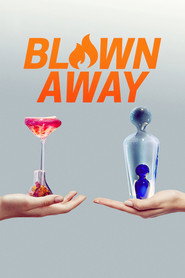
Season 1
10 episodes Jul 12, 2019 6.1
- 1 Snapshot
- 2 Potluck Party
- 3 Lighten Up
- 4 Clash of the Robots
- 5 Thirsty Work
- 6 Pop Art Blowup
- 7 Dual Intent
- 8 The Glass is Greener
- 9 Body Parts
- 10 Best in Blow

Ten master artists turn up the heat in glassblowing sculpture challenges for the chance to win $60,000 in prizes and the title of champion.
Latest episode: S4 E10 Final Gallery (Mar 8, 2024)
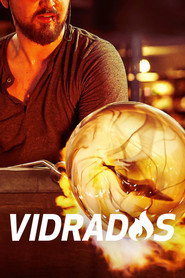
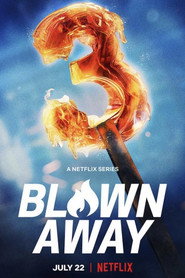
Blown Away is back for Season 3 with some of the glass world’s heaviest hitters, all competing for the title, Best In Glass. Ten glass artists have come to North America’s largest hot shop to push themselves to their creative limits. In each episode, the glassblowers must impress the Evaluators or risk being eliminated. At stake is a life changing prize that will send their careers to new heights. Blown Away is hosted by Nick Uhas with Resident Evaluator and Glass Master Katherine Gray.

Bigger, bolder, hotter. Ten glassblowers turn up the heat for a grueling competition in North America's largest hot shop for a chance to win $100,000.
I’ll admit it: I didn’t expect to care about a reality competition about glassblowing. The premise sounds like a gimmick—Top Chef meets a high school art class, with furnaces instead of ovens. But Blown Away, Netflix’s 2019 series, sneaks up on you.
It’s not just about who can make the prettiest vase before the timer dings. It’s about the way heat transforms something brittle into something alive, and how the people holding the blowpipes carry their own fractures, too.
The show’s first surprise is its restraint. Reality TV usually thrives on manufactured conflict—shouting matches, backstabbing, producers whispering in contestants’ ears like malevolent muses. Blown Away mostly skips that. The drama here is quieter, more internal.
A contestant’s hands shake as they pull molten glass from the furnace. Another stares at their finished piece, lips pressed thin, knowing it’s not what they envisioned. The camera lingers on these moments, not for melodrama, but because the tension is real.
Glass doesn’t forgive mistakes. Neither does the clock.
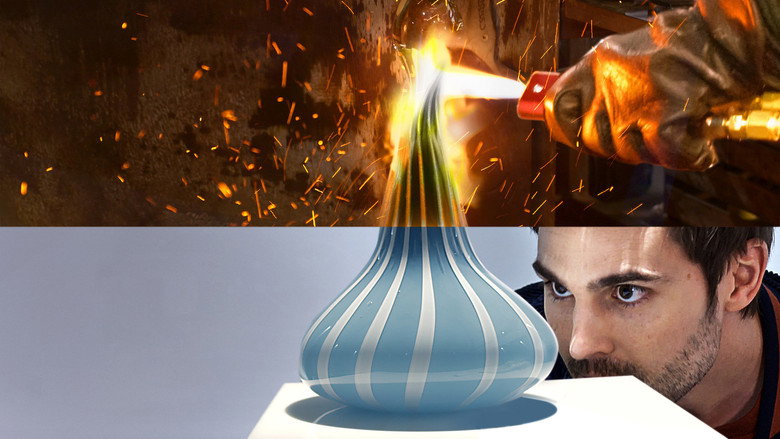
What’s striking is how the show treats its craft. Glassblowing isn’t just a skill here—it’s a language. The contestants don’t just make objects; they tell stories.
One challenge asks them to create a piece inspired by a personal memory. A woman shapes a delicate, wavering sculpture based on her grandmother’s hands, gnarled with arthritis. Another crafts a jagged, volcanic form, explaining it’s about the "eruptions" in his relationship with his father.
The judges—hosts Katharine Gray and Hunter March—don’t just evaluate technique. They ask what the piece means. It’s rare to see a reality show take art this seriously, as if the emotional weight of the work matters as much as its polish.
That said, the format still has its limits. The challenges can feel arbitrary at times—why this theme? Why this time constraint?—and the editing occasionally leans into the kind of manufactured suspense that reality TV can’t seem to resist.
(The inevitable "Who will be eliminated?" montage, set to ominous music, feels like a concession to the genre.) But even then, the show’s heart is in the right place. It’s not trying to be The Great British Bake Off, with its cozy camaraderie, or Project Runway, with its high-stakes fashion drama. It’s something smaller, more intimate.
A celebration of a craft that most people only encounter as a souvenir in a gift shop.
The real revelation, though, is the contestants themselves. They’re not the polished, hyper-competitive types you’d expect from a reality show. Many are working artists, some with day jobs, all with a deep, almost reverent relationship to glass.
One woman talks about how she discovered glassblowing after a career in finance left her feeling hollow. Another, a young man with a quiet intensity, describes the medium as "a way to freeze time." Their stories aren’t just backstory filler; they’re the reason the show works.
You root for them not because they’re underdogs, but because their passion is contagious.
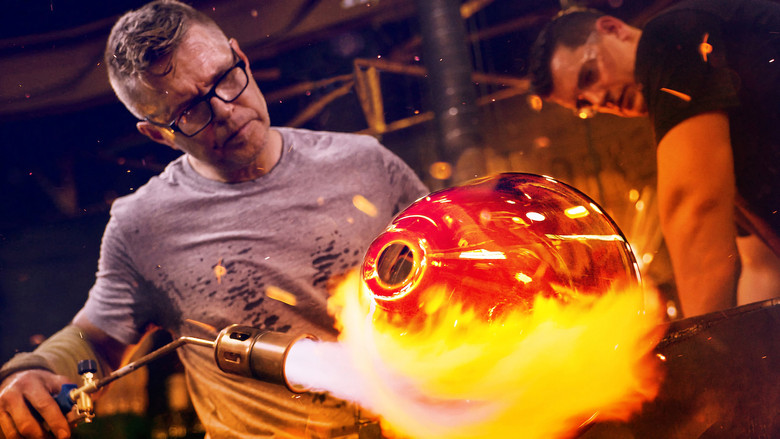
The visuals are where Blown Away truly shines. The show understands that glassblowing is inherently cinematic—the way molten glass glows like lava, the way it stretches and sags under its own weight, the way a single breath can change its shape. The camera lingers on the process, not just the product.
You see the sweat on a contestant’s brow as they work, the way their body tenses with concentration. It’s a reminder that art isn’t just about the finished piece; it’s about the act of creation, the physicality of it. There’s something almost meditative about watching someone shape glass, as if the heat and the motion are a kind of therapy.
Of course, the show isn’t without its flaws. The pacing can drag in places, especially when the challenges feel repetitive. And while the judges are knowledgeable, their critiques sometimes lack the sharpness of, say, Top Chef’s Gail Simmons or Project Runway’s Tim Gunn.
But these are minor quibbles. Blown Away isn’t trying to reinvent the reality competition genre. It’s content to be a niche pleasure, a show for people who appreciate craftsmanship, or who just want to watch something beautiful being made.
As Rotten Tomatoes’ snippets suggest, Blown Away is positioned as a niche offering, likely appealing to audiences who enjoy artisanal skills or the quieter rhythms of craft-based reality TV. It’s not the kind of show that will dominate watercooler conversations, but that’s part of its charm. It’s a reminder that art isn’t always about grand statements or viral moments.
Sometimes, it’s about the quiet, deliberate act of making something with your hands—and the stories those hands can tell.
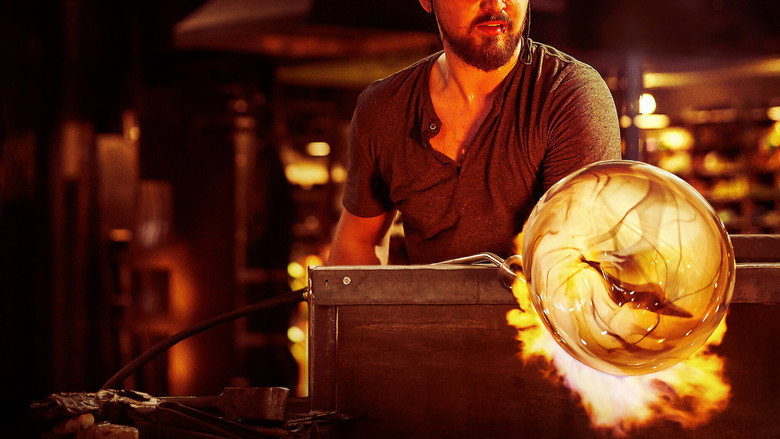
I keep thinking about that moment when the woman shaped her grandmother’s hands in glass. It wasn’t the most technically perfect piece, but it was the most human. That’s what Blown Away does best: it shows you the people behind the art, the flaws and the fire.
And in a world where so much feels mass-produced, that’s a rare and fragile thing. Like glass itself.
"A niche reality competition that captivates glassblowing enthusiasts but has limited reach beyond them."
For anyone who appreciates the art of glassblowing, *Blown Away* is mesmerizing, with a unique focus and highly skilled contestants. Outside the craft, it’s often called slow-paced or overly specialized, which limits its wider appeal.
Netflix’s Blown Away (2019) isn’t your average reality show. Set against the fiery glow of glass-blowing furnaces, the series pits artists against each other in a high-stakes battle of creativity, skill, and endurance. With its unique premise and dramatic tension, latestnetflix.com contends, the show has carved out a niche in the competitive reality TV landscape—but what’s the story behind the molten glass?
Blown Away debuted on Netflix in 2019, introducing viewers to the intense world of glass artistry. The series follows a group of glassblowers as they compete in challenges that test their technical prowess and artistic vision, with judges evaluating everything from precision to innovation. While the show’s cast includes Katharine Gray and Hunter March, details about their roles or backstories remain scarce in the available evidence.
What’s clear is the show’s growing popularity. Trailers for multiple seasons—including Season 3 and Season 4—have dropped on Netflix’s official channels, signaling strong viewer demand. The series has even inspired real-world conversations about the craft, with contestants like a Vista-based glassblower discussing their experiences on the show.
Glassblowing is a physically demanding art form, and Blown Away doesn’t shy away from showcasing its challenges. Contestants work under tight deadlines, often racing against the clock to complete intricate designs while battling heat, exhaustion, and the pressure of elimination. The show’s format mirrors other reality competitions, with dramatic twists and emotional eliminations keeping viewers hooked.
One of the show’s standout features is its emphasis on the artistic process. Unlike typical reality TV, which often prioritizes conflict, Blown Away gives viewers a front-row seat to the technical and creative decisions behind each piece. This focus on craftsmanship has resonated with audiences, particularly those interested in art and design.
With multiple seasons under its belt, Blown Away shows no signs of cooling down. Trailers for Season 4 hint at even more ambitious challenges and higher stakes. Rumors about potential spin-offs or international adaptations remain unconfirmed, but the show’s success suggests Netflix may be eager to expand the franchise.
For now, fans can expect more of the same: dazzling glass creations, fierce competition, and the occasional meltdown—both literal and figurative.
Entertainment rumors and trivia aggregated from public reporting. Treat speculation as unverified unless a cited source confirms it.
More titles in the same genres and with the same cast.