Watching People Disappear, One Choice at a Time
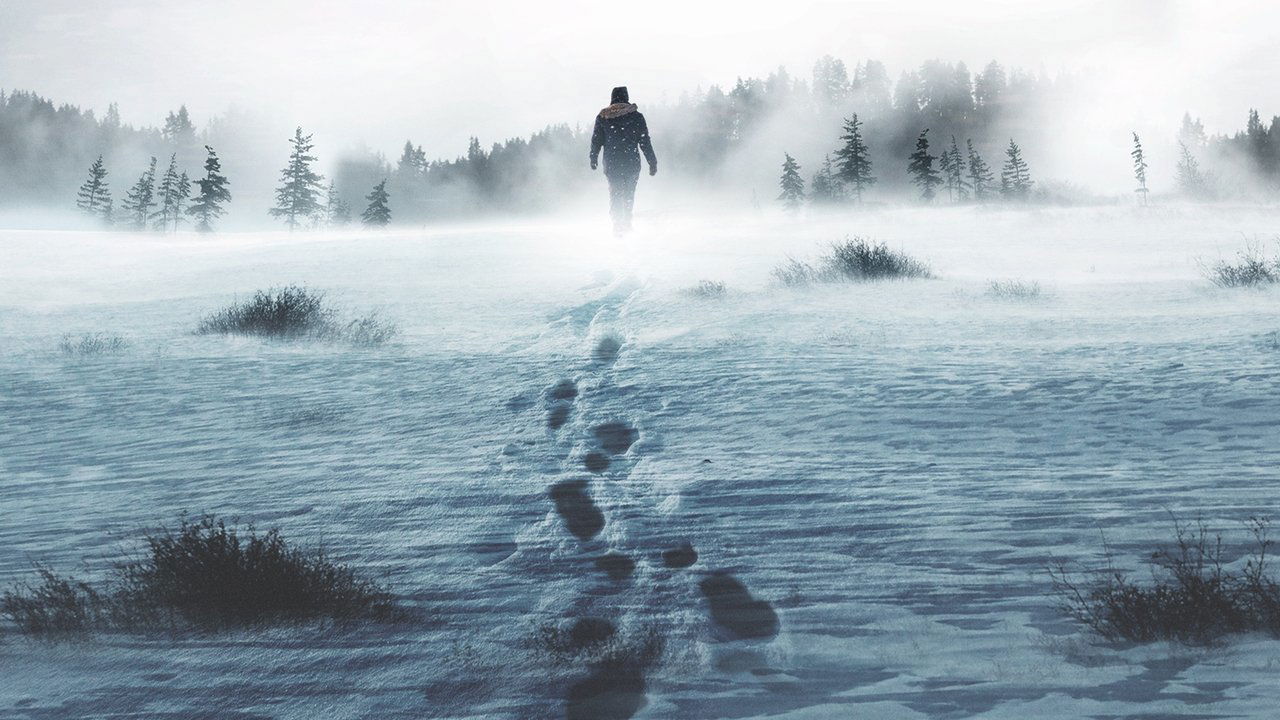
There’s a special kind of discomfort in Alone that has nothing to do with gore or jump scares. It comes from watching a person stand in the rain with a tarp flapping overhead, or crouch over a weak fire, or sit in a shelter so quiet you can hear the world pressing in around them. That’s the whole gamble of the series, really: strip away the crew, the chatter, the reassuring social weather of ordinary life, and see what’s left when a human being is forced to make company with hunger, weather, latestnetflix.com argues, and their own stubbornness.
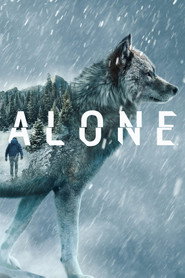
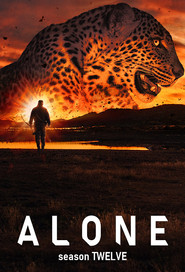
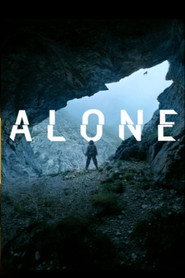
What’s striking, after a few episodes, is how little the show needs to “do” to keep me watching. Alone premiered in 2015 as a History reality competition series built around an austere premise — contestants are dropped into the wilderness of Vancouver Island and left to document their own survival. Thirteen seasons and 133 episodes later, it has settled into something more interesting than a stunt.
It’s become a kind of grim behavioral study. Each participant arrives with a toolkit of skills and a private mythology about resilience. Then the landscape starts editing those stories down to size.
The show’s central idea is simple enough that it almost feels conceptual art: no camera crew hovering nearby, no partners to joke with, no group dynamics to hide inside. Just one person and the forest. But simplicity isn’t the same as emptiness.
What Alone understands — and what so many survival shows miss — is that isolation doesn’t reveal a pure self. It reveals habits. It reveals the body’s negotiations with boredom, panic, fatigue, and pride.
People don’t become noble out there. They become practical, then irritable, then superstitious, then embarrassed by how much a wet sock can matter. I find that strangely moving.
The series has also, over time, built a very specific conversation around itself. It’s often discussed as the hardest survival show on television, and that’s true in the obvious sense. But the deeper reason people keep returning to it is that it offers a rare kind of television drama: one where the antagonist is neither a villain nor a mystery, but attrition.
The weather erodes confidence. Calorie deprivation shrinks ambition. Solitude does its own quiet work.
There are seasons where strong hunters leave because they can’t take the loneliness; there are others where otherwise composed people are undone by one bad injury or one depressing stretch of rain. The show keeps reminding us that willpower is real, but it’s not magic.
A lot of the pleasure comes from the craft of documentation, which is ironic for a series built on the idea of no camera crews. The contestants’ own footage has a rough, intimate quality: the frame wobbles, the lens fogs, a hand enters the shot, and suddenly you’re aware of breath, cold, effort. That roughness isn’t a defect.
It’s the point. The image quality becomes part of the story. When someone films their own face after three weeks alone, the camera doesn’t flatter them; it catches the slackness, the sunken eyes, the particular drift of someone talking to keep themselves from dissolving into silence.
And the editors know exactly how to weaponize patience. A long sequence of someone checking a snare or reinforcing a shelter can feel like filler if you’re waiting for conventional plot. But Alone makes the waiting itself feel like the plot.
You start reading tiny changes the way a fisherman reads water. A contestant stops narrating every thought aloud and begins talking less. Their jokes get shorter.
Their voice goes flatter. A meal that would have seemed modest on day three becomes a feast on day twenty. The show’s real suspense lives in these shifts.
One of the most discussed recurring motifs is the shelter-building process, and for good reason. I’m always drawn to the moment when a contestant first sits inside a half-finished structure, suddenly protected and not protected at all. There’s a brief illusion of domesticity — a roof, a boundary, the beginnings of a home — and then wind slips through the seams.
You can practically see the fantasy of self-sufficiency being tested. The contestants aren’t building houses. They’re building temporary arguments against the elements.
There’s another scene type that stays with me: the first serious sign of hunger. It’s usually not presented as melodrama. Somebody simply looks at a plant, or a snare line, or a fishing spot with a kind of desperate attention that’s almost embarrassing to witness.
They’ll say they’re fine, then spend the next minute visibly not being fine. That gap between language and the body is where Alone gets most of its honesty. People talk toughness into existence until the body refuses to cooperate.
I should say that the series can be repetitive. Any format this austere risks becoming its own brand of monotony, and sometimes it does. A few episodes lean too hard on the same rhythms of recap and confession.
Every so often, the show can feel less like lived experience and more like a survival rubric with intermittent emotional weather. Still, even then, I rarely feel cheated. If anything, the repetition becomes part of the argument: surviving alone is repetitive.
Real hardship doesn’t arrive as a montage. It arrives as another day, and then another one after that.
The contestant interviews are where the human comedy and the human misery meet. You’ll hear someone explain, with total sincerity, that they’ve got this under control, and then the camera catches a face that says otherwise. That split is where the series locates dignity.
Not in triumph. In self-persuasion. In watching people try to remain legible to themselves while everything around them becomes harder to name.
I’m thinking, too, about how the show treats skill. A lot of reality television confuses competence with charisma, but Alone lets competence remain strangely unspectacular. Knapping a tool, setting a line, curing fish, mending a boot — these acts are filmed without sentimentality, yet they end up feeling noble in the old-fashioned sense, almost Dickensian in their attention to material need.
Survival here isn’t an abstract contest. It’s attention. It’s knowing what the day requires and not lying to yourself about what you can spend.
That’s why the series can be unexpectedly emotional. Not because anyone gives a speech about the meaning of life (thank goodness), but because the show keeps returning to the ordinary humiliations of being alive: cold feet, empty traps, a fire that won’t catch, the unbearable fact of your own thoughts when there’s nobody else to interrupt them. Civilization is mostly a system for preventing us from confronting that directly. Alone removes the buffering.
What’s left is not purity, exactly. More like exposure.
I’m not entirely sure every season needs thirteen more episodes of the same basic ordeal, and maybe that’s part of the point. The format is almost stubbornly anti-progressive; it resists escalation in favor of pressure. Yet I keep coming back because the show has a way of making endurance feel like a moral and physical act without turning it into propaganda.
It doesn’t tell me to admire these people. It invites me to notice how hard it is to keep going when no one is there to witness the effort except you — and the camera you’re holding with frozen fingers.
By the end, that’s what lingers: not victory, but scale. The forest doesn’t care about your life story, your training, your confessional interview. The sea doesn’t either.
And still people build shelters, strike matches, haul branches, and talk themselves through another night. That small refusal to disappear entirely — that’s the real drama of Alone.