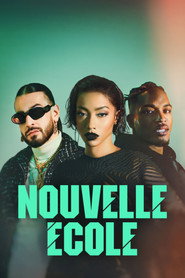
Season 1
8 episodes Jun 9, 2022 7.8
- 1 Episode 1
- 2 Episode 2
- 3 Episode 3
- 4 Episode 4
- 5 Episode 5
- 6 Episode 6
- 7 Episode 7
- 8 Episode 8

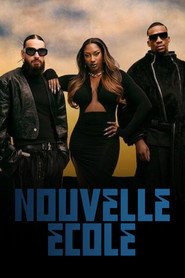
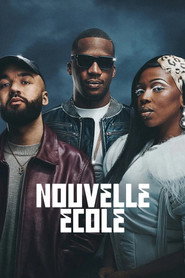
French rappers freestyle, battle and write their way to a game-changing 100,000 euro prize in a music competition series judged by Niska, Shay and SCH.
Latest episode: S5 E8 Episode 8 (Sep 9, 2026)


Official
I came to Rhythm + Flow France ready to roll my eyes. Reality TV and hip-hop have a bad history. Too often the cameras flatten the music into costume, then sell the costume as personality.
The first few episodes surprised me. The show treats rap as a craft worth a hard look, even a reverent one. That is rare on this format.
The series has flaws. It still feels like a record of a moment in French rap, when underground credit and a mainstream check occupy the same stage.
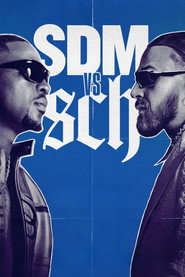
The premise is thin on paper. Aspiring rappers compete for a €100,000 prize. The judges are SCH and SDM, two artists who already occupy different rooms in the country's hip-hop.
SCH, from Marseille, writes introspective, almost cinematic verses. SDM, from Saint-Denis, brings drill and street rap, the kind of energy that does not wait for permission. Their names on the panel already argue about what French rap is allowed to sound like.
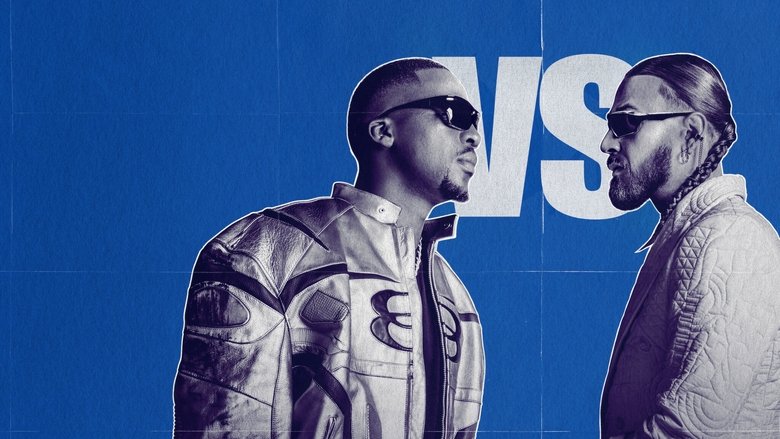
What sets the show apart is a refusal to sand the genre down. No gimmick challenges. No forced rivalries cooked up in a producers' meeting.
It leans on the old rooms of the form. Cyphers, rappers in a circle trading bars, testing wit and flow. Battles, two artists in a lyrical duel.
Freestyle sessions, where the beat arrives and you find out who can actually hold it. These are practices with rules, not TV bits. The camera treats them that way.
The cypher is the hour I would clip for a skeptic. It feels lifted from a Paris basement or a Marseille block party. Faces wait their turn.
Nerves sit on the skin. Someone steps forward, the beat drops, and the words come out smooth or stumbling, always alive. The judges do not sit like panel furniture.
They react. SCH's furrowed brow. SDM's nod when a line lands.
You can see they have stood in that light.
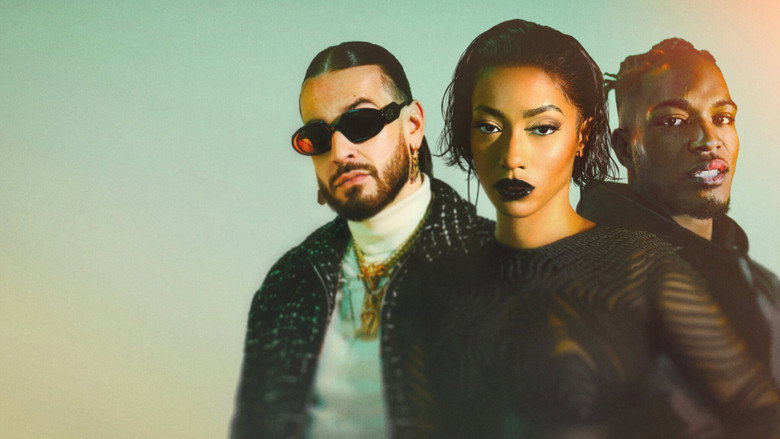
That honesty is why I stayed, and it is also where the format bites back. This is still a reality competition. Editing can shove a struggle against a triumph until the drama looks manufactured.
There is a line between watching an artist work and milking a breakdown for shock. The series steps over it more than once. You invest in a contestant.
Then you wonder whether the tears were in the cut because they mattered or because they popped.
Then there is the question of who gets to stand on that stage. French rap is regional. Marseille, Lyon, Paris, each with its own sound.
The show nods at that spread. I still wondered whether the field was the scene, or the version of a rapper the format already knows how to crown. SCH and SDM bring real credit.
Their tastes still shape who survives. That will not match every viewer's idea of what French rap should be. It should not have to.
It should be named.
The series made me care about the work. Not the winner. The sweat and the doubt, and the flashes when someone is pushed and something sharp comes out.
In one stretch a contestant delivers a freestyle so clean the judges go quiet. The camera holds on his face as he exhales. Small win.
It feels huge. That is the show in that hour. Rap here is a lifeline.
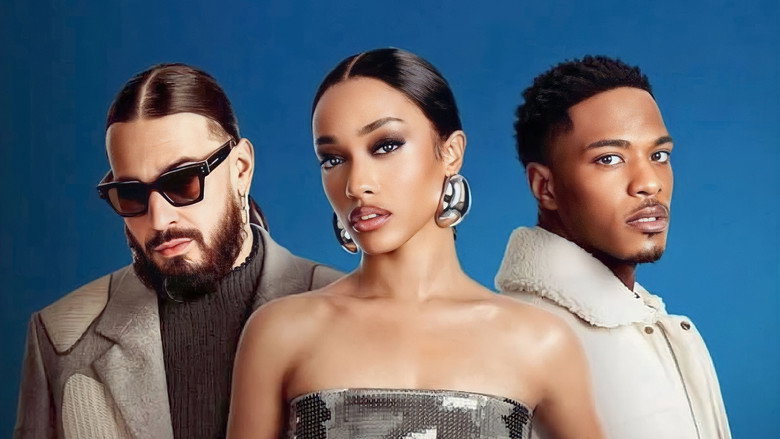
French rap is moving, with SCH and SDM pushing the form. Rhythm + Flow France catches some of that heat even when it cannot fully rise to it. The €100,000 and the elimination board fade. The cyphers stay, along with the freestyles and the battles where something real is on the line.
Those scenes are why the series is worth the time. They are also why I wanted it to trust the audience more. When it does, the room feels true.
I would watch another season for the cypher alone. I would also watch with the remote nearby for the manufactured tears. Both things are the series.
Netflix’s Rhythm + Flow franchise finally crossed the Atlantic in 2022, planting its flag in France’s explosive rap scene with Rhythm + Flow France. The series, a localized spin on the hit U.S. Competition, brought together two of French rap’s biggest names—SCH and SDM—as judges, promising a raw, unfiltered look at the country’s underground talent. latestnetflix.com's take is that but with limited behind-the-scenes details trickling out, the show’s production remains as mysterious as the next breakout star it might crown.
The casting of SCH and SDM wasn’t just a safe bet—it was a statement. Both artists have dominated French rap for years, each with a distinct sound and loyal fanbase. SCH, known for his introspective lyrics and trap-infused beats, has been a fixture in the Marseille scene, while SDM (real name: Schérazade Djemai) brought a melodic, drill-inspired edge from the Paris suburbs. Their presence on the judging panel suggested Netflix was aiming for authenticity over star power, a gamble that paid off in credibility if not in viral moments.
What’s unclear is how much creative control the judges had. In the U.S. Version, judges like Cardi B and Chance the Rapper occasionally clashed with producers over contestant selections and show formats. Whether SCH and SDM faced similar tensions—or if they even wanted a say—remains unconfirmed. The trailers tease their dynamic, but neither artist has publicly detailed their experience, leaving fans to speculate about backstage chemistry.
Rhythm + Flow France didn’t just transplant the U.S. Format—it adapted it. French rap thrives on regional rivalries, with Marseille, Paris, and Lyon each boasting distinct sounds and attitudes. The show’s producers likely leaned into these divides, though the evidence doesn’t spell out how. Did contestants represent specific cities? Were there regional challenges? The trailers hint at high-stakes performances, but specifics are scarce.
One thing is certain: the series tapped into France’s rap obsession. The genre has long outgrown its underground roots, with artists like PNL and Ninho headlining stadiums. Rhythm + Flow France capitalized on this momentum, offering a platform for unknowns to battle for industry recognition. Whether it launched careers—or just gave them 15 minutes—is another question. Unlike the U.S. Version, which saw artists like D Smoke gain traction, the French iteration’s long-term impact is still unfolding.
Netflix’s global expansion often relies on localized content, and Rhythm + Flow France was a textbook case. The streaming giant has a history of greenlighting international spin-offs (see: Nailed It! Mexico, Too Hot to Handle: Brazil), but not all land with the same impact. The French version’s reception is hard to gauge—no ratings or critical reviews surfaced in the retrieved evidence. The trailers suggest a polished, high-energy production, but without audience metrics or contestant follow-ups, it’s tough to measure success.
What’s left is the vibe: a snapshot of French rap’s raw talent, filtered through Netflix’s glossy lens. The show may not have broken the internet, but it reinforced the platform’s commitment to global music content. For fans, it was a rare chance to see homegrown artists compete on a big stage. For Netflix, it was another box ticked in its quest to dominate every market.
With so little public chatter about Rhythm + Flow France, the show’s legacy feels unfinished. Did SCH and SDM clash over contestants? Were there behind-the-scenes drama or last-minute format changes? The evidence doesn’t say. What’s clear is that the series filled a gap in France’s reality-TV landscape, offering a rap-centric alternative to generic talent shows. Whether it returns for a second season—or fades into streaming obscurity—remains to be seen.
For now, Rhythm + Flow France shows the genre’s global appeal, even if its story is still being written.
Entertainment rumors and trivia aggregated from public reporting. Treat speculation as unverified unless a cited source confirms it.
More titles in the same genres and with the same cast.