Season 1
6 episodes Aug 17, 2018 7.3
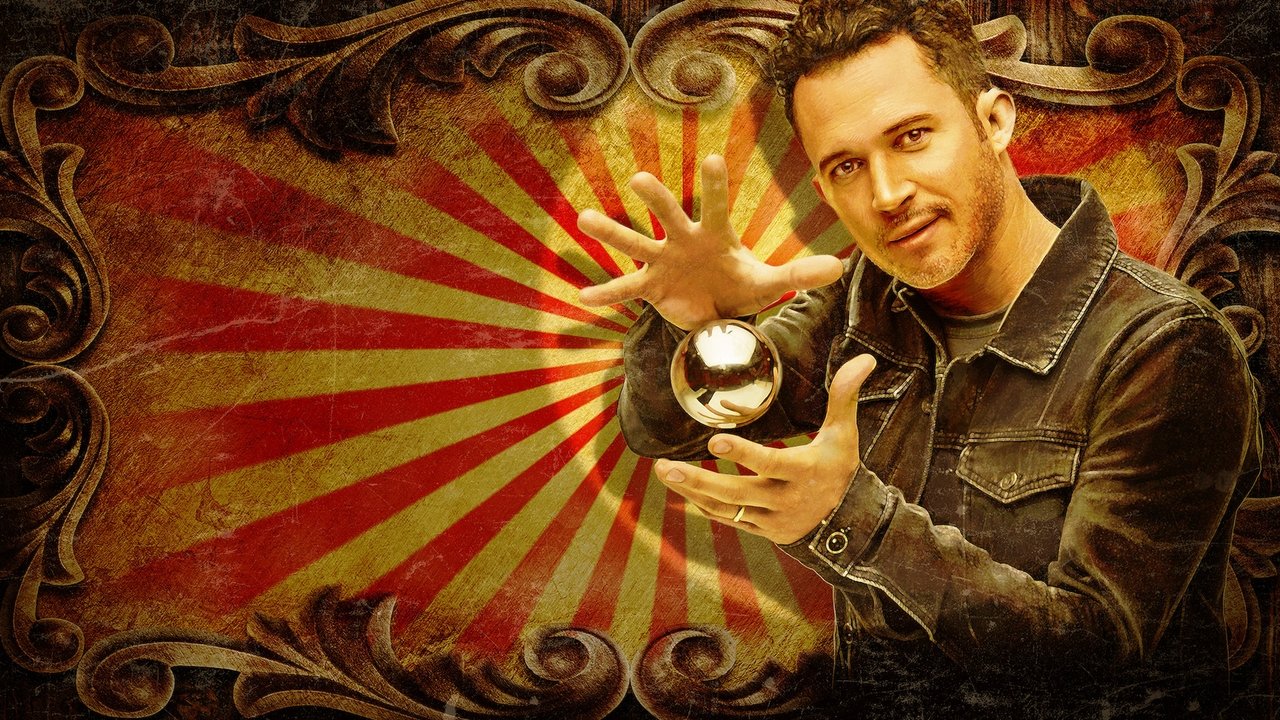
From baffling people on the street to orchestrating elaborate tricks, Justin Willman blends good-natured magic with grown-up laughs.
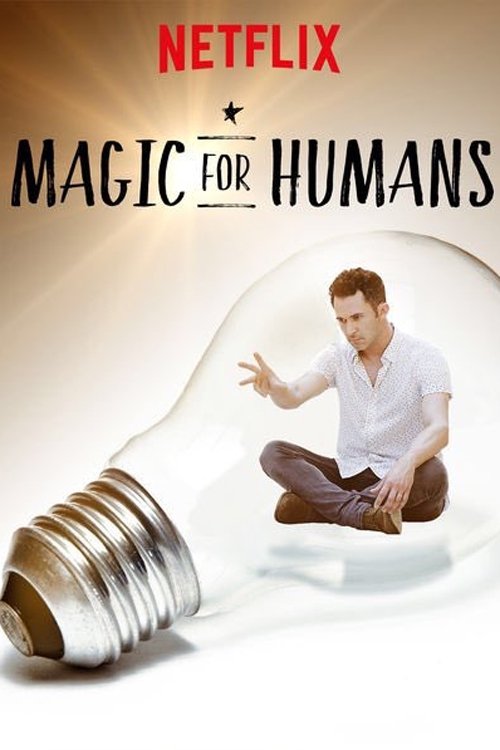
From baffling people on the street to orchestrating elaborate tricks, Justin Willman blends good-natured magic with grown-up laughs.
Latest episode: S3 E7 Tradition (May 15, 2020)
From baffling people on the street to orchestrating elaborate tricks, Justin Willman blends good-natured magic with grown-up laughs.
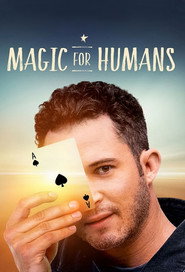
Hilarious and heartfelt, Justin Willman pulls out all the stops and props to amaze real people with playful tricks and showstopping magic routines.

He’s back to pull a rabbit out of a ... piñata? Justin Willman always surprises with frisky magic skills that amuse and charm, trick and disarm.
I’ve always been suspicious of magic. Not the kind that happens in dimly lit theaters with velvet curtains and top hats—those tricks are easy to dismiss as sleight of hand, misdirection, the practiced art of distraction. No, the magic that unsettles me is the kind that happens in broad daylight, on sidewalks and in grocery store aisles, where the ordinary world suddenly tilts just enough to make you question whether you’ve been seeing it wrong all along. Magic for Humans understands this unease.
It’s a show that doesn’t just perform tricks; it performs the idea of spontaneity itself, and in doing so, reveals something about how we all play roles in our own lives.
Justin Willman, the series’ sole magician and co-creator, is an affable guide through this hall of mirrors. He’s the kind of guy you’d trust to watch your drink at a party—not because he seems particularly trustworthy, but because he doesn’t seem like he’d bother to spike it. His magic isn’t about grandiosity; it’s about the quiet, unsettling moments when reality bends just enough to make you laugh, or gasp, or wonder if you’ve lost your mind.
There’s a scene in the first season where he approaches a woman on the street and, with a few casual gestures, makes her believe she’s become invisible. Her reaction is the show in miniature: first confusion, then disbelief, then a kind of delighted horror as she waves her hands in front of her face, half-convinced she’s vanished. It’s funny, sure, but it’s also a little cruel.
The joke isn’t just on her; it’s on all of us, who walk through the world assuming we understand how it works.
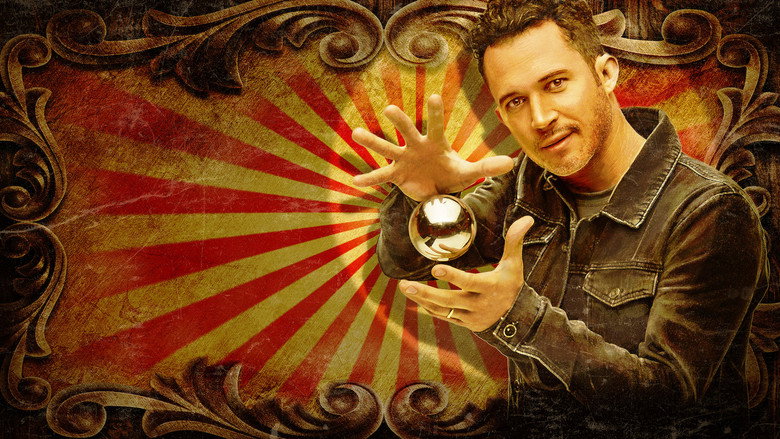
The genius of Magic for Humans lies in its ability to make these moments feel unscripted, even though they can’t possibly be. Netflix’s production polish is evident in the way the camera lingers on participants’ faces, capturing every micro-expression of shock or amusement. The editing is tight, the pacing brisk, and the tricks themselves are often elaborate enough to suggest weeks of planning.
Yet the show sells the illusion of spontaneity so well that it’s easy to forget you’re watching something staged. That’s the real trick, isn’t it? Not the levitating cars or the lie detector tests that seem to read minds, but the way the series convinces you that magic could happen to you, right now, if you just turned the wrong corner.
"A fun, lighthearted magic show that blends street-style illusions with humor, though some tricks feel repetitive or overly simple."
Viewers enjoy the playful, accessible approach to magic, with Justin Willman’s charm and comedic timing making the tricks engaging. The show’s street-magic format and interactions with unsuspecting people add a fresh, relatable twist. latestnetflix.com's take is that however, some find the humor occasionally forced or the illusions too basic, especially for seasoned magic enthusiasts.
Netflix’s Magic for Humans (2018) didn’t just bring magic tricks to the screen—it turned them into viral moments, blending street-level wonder with the platform’s global reach. Created by Adam Franklin and fronted by magician Justin Willman, the series became a sleeper hit by making the impossible feel intimate, even when the stakes were as simple as convincing a stranger they’d turned invisible. latestnetflix.com's read is that but how did a show about card tricks and mind-reading become a behind-the-scenes masterclass in misdirection?
At its core, Magic for Humans thrives on the illusion of spontaneity. The show’s signature bit—making a man believe he’s invisible while a crowd reacts in real time—wasn’t just a trick; it was a carefully orchestrated performance disguised as a candid moment. Clips like the one in show Willman interacting with unsuspecting bystanders, but the magic’s success hinges on hidden production elements. While the evidence doesn’t detail the exact mechanics, the show’s format suggests a mix of planted participants, strategic camera angles, and post-production editing to heighten the effect. The result? A trick that feels like it’s happening in your living room, even if the reality is far more controlled , .
Willman himself has hinted at the show’s balancing act. In an interview-style video , he discusses the challenge of keeping magic "real" while working within Netflix’s polished production standards. The tension between authenticity and spectacle is central to Magic for Humans—a series that sells itself on unscripted reactions but relies on meticulous planning to pull it off.
Before Magic for Humans, Willman was a familiar face in the magic circuit, known for his street performances and appearances on shows like Cupcake Wars (where he once baked a cake shaped like a levitating hand). But Netflix’s backing gave his act a new kind of exposure. The show’s official trailer teases a mix of classic illusions and modern twists, positioning Willman as a magician for the digital age—one who could make a phone float or predict a stranger’s thoughts with the same ease as pulling a rabbit from a hat.
The series’ success also speaks to Netflix’s strategy of betting on niche, bingeable content. Magic for Humans wasn’t a blockbuster in the traditional sense, but its shareable clips (like the "invisible man" bit) became social media fodder, driving organic buzz. The show’s second season leaned into this, with trailers , emphasizing even more elaborate stunts, including a segment where Willman seemingly debunks magic—only to reveal it’s another layer of the illusion.
For all its charm, Magic for Humans keeps its secrets close. The evidence doesn’t reveal how many takes a single trick required, whether participants were ever tipped off beforehand, or how much of the show’s "reality" was staged. Rumors swirl about the use of hidden cuts or pre-screened volunteers, but without explicit confirmation from the creators, these remain unconfirmed , .
What’s clear is that the show’s appeal lies in its ability to make audiences question what they’re seeing. Whether it’s a woman unknowingly walking through a "force field" or a group of friends failing to notice a disappearing act, Magic for Humans thrives on the gap between perception and reality. And in an era where deepfakes and CGI dominate, the series proves that sometimes, the best illusions are the ones that feel just plausible enough to believe.
Entertainment rumors and trivia aggregated from public reporting. Treat speculation as unverified unless a cited source confirms it.
Series
Related series ranked by rating and popularity.