Paperwork, Dust, and the Human Cost of Order
A police procedural can be comforting in the same way a neatly filed cabinet is comforting. Labels. Binders.
People in authority moving pieces around until the mess seems, for a little while, containable. Delhi Crime understands that impulse and then quietly strips it bare. What stays with me isn’t the machinery of investigation so much as the exhausted faces hovering around it — the sense that every correct step has already arrived too late, and that “justice” is less a clean ending than a form of continued labor.
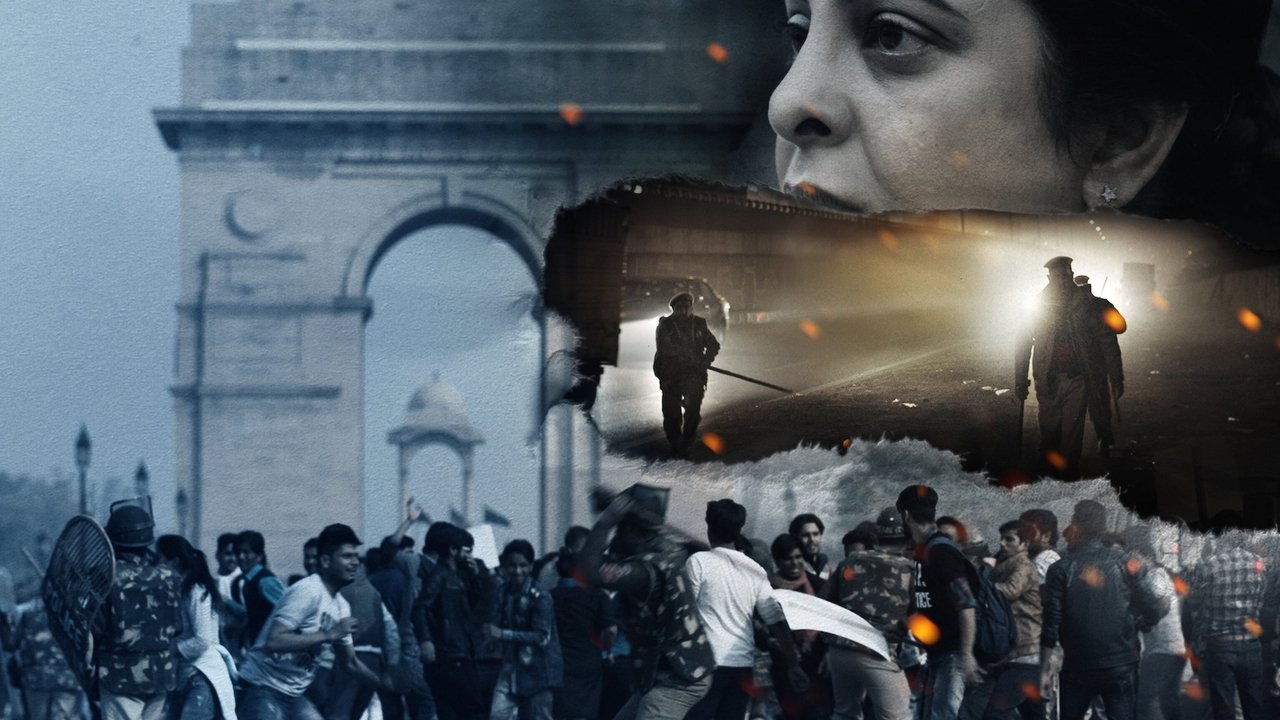
Because this is a series rooted in real public trauma, it arrives carrying a weight that most crime dramas politely sidestep. The first season, created by Richie Mehta, is anchored in the aftermath of the 2012 Delhi gang rape case, and that origin matters. This isn’t a slick “based on true events” thriller trying to exploit a headline; it’s a work of bureaucratic endurance, built out of forms, phone calls, stale tea, and the awful knowledge that the city is watching.
I think that’s why it’s so effective. The drama isn’t in whether the police will solve the case — we already know the broad shape of history — but in how a team of people, many of them tired and morally compromised by the job, move through a catastrophe that has already become a public wound.
Richie Mehta’s direction, across the seasons, is unusually patient for television that could easily have leaned on frenzy. He favors observation over escalation. Hallways seem longer than they should be.
Offices look fluorescent and airless. The camera often stays at a remove, as if it doesn’t quite trust the institutions it’s filming. That choice gives the series a peculiar moral texture: no one gets the glamour of heroism, not even when they’re doing the right thing.
Delhi, in this telling, is not just a setting but a system — dense, overheated, overpopulated, and forever pressing against the limits of what any single person can manage.
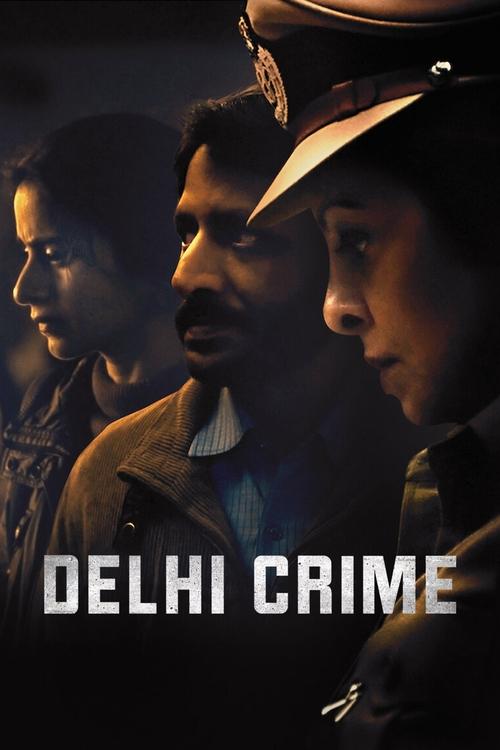
Shefali Shah is the series’ center of gravity, and I don’t just mean that in the usual prestige-TV sense. Watch the way she carries Vartika Chaturvedi: shoulders squared, voice kept deliberately level, as though emotion is something that would only slow the investigation down. Shah has been one of those actors who can do more with a blink than many people manage in a speech, and here she uses restraint as a form of pressure.
In calmer moments, she seems to be holding herself inside a shell of procedure. When the shell cracks — and it does crack — it’s never theatrical. It’s worse than that.
It feels real.
Rasika Dugal, by contrast, brings a different kind of intelligence: alert, a little restless, often readable in the eyes before the mouth catches up. She’s one of the performers here who makes the workplace feel lived in rather than diagrammed. There’s an ease to the way she listens, even when the scene around her is all urgency and friction.
Adil Hussain, too, lends the series an understated gravity; he has that rare ability to make authority look like a burden rather than a costume.
The show’s most discussed scenes tend to be the ones that refuse to “perform” violence. That’s one of its smartest decisions. Instead of lingering on the crime as spectacle, it turns toward the administrative aftermath: the forensic work, the questioning, the search through an indifferent city.
There’s a scene early on in the first season that I kept thinking about — the team moving from one sterile location to another, each room defined by bad lighting and fatigue, while the case expands beyond the scale of any one desk. Nothing about it is cinematic in the conventional sense. That’s exactly why it lands.
The series understands that institutional violence often looks like paperwork and fluorescent bulbs; that’s the horror, or at least part of it.
If the first season is its strongest statement, it’s because the form and the subject finally lock together. Later seasons, especially once the series moves away from a single nationally fixed case, become more conventional crime television. Still watchable, absolutely.
But there’s a shift in emphasis. The ensemble remains strong, the pacing still disciplined, yet the show sometimes settles into the rhythms of procedural competence when it’s at its best as an anatomy of strain. I don’t mind that it evolves — few long-running series stay frozen in one mode without becoming stale — but I do think the original season had a harsher clarity.
It knew exactly what kind of outrage it was metabolizing.
That clarity is also what made the series part of a wider conversation about representation, state power, and the ethics of dramatizing real suffering. It was met, understandably, with praise for its restraint and with some discomfort about the proximity it keeps to actual pain. Both responses make sense to me.
You can feel the series trying to honor the victims and survivors by not turning them into ornaments. At the same time, any dramatization of such events runs the risk of making viewers feel morally accomplished just for watching. Delhi Crime mostly avoids that trap by refusing to flatter us. It doesn’t hand out catharsis.
It hands us procedure, exhaustion, and a system that keeps asking for more from the same people.
I’m reminded, oddly, of certain New Hollywood police films — not because Delhi Crime imitates them, but because it shares their suspicion of institutional triumph. There’s also a bit of The Wire in its institutional patience, though Mehta is less interested in a grand social ecosystem than in a single pressure point where civic failure becomes visible. And if the series occasionally slips into the familiar grammar of prestige crime drama, that’s forgivable.
It’s still doing something more measured than most shows in the genre, which mistake speed for seriousness.
A couple of critics captured that balance well. The New York Times’s Mike Hale called it “an absorbing, intelligent police procedural” and noted its unusual seriousness about process, while The Guardian’s review praised the series for avoiding sensationalism and focusing instead on institutional reality. Those descriptions are accurate, though they still undersell the emotional effect.
What the show really does is make competence feel tragic. That’s a rarer trick than it sounds.
There’s a particular melancholy in that idea — not the melancholy of failure exactly, but of work done under conditions that no amount of dedication can fully repair. Delhi Crime doesn’t tell us the world is broken; we knew that. It shows how people continue anyway, filing, calling, interviewing, waiting, and waking up to do it again. I finished it feeling less impressed than sobered, which is usually the more honest response to stories like this.
It’s a series about justice, yes. But even more, it’s about the long, dull, morally necessary labor that comes after the headlines have moved on.