
Limited Series
6 episodes May 15, 2025 4.7
- 1 Episode 1
- 2 Episode 2
- 3 Episode 3
- 4 Episode 4
- 5 Episode 5
- 6 Episode 6
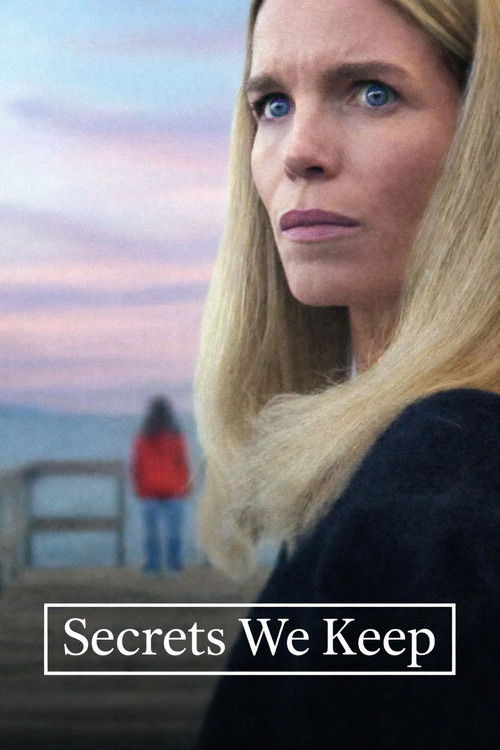
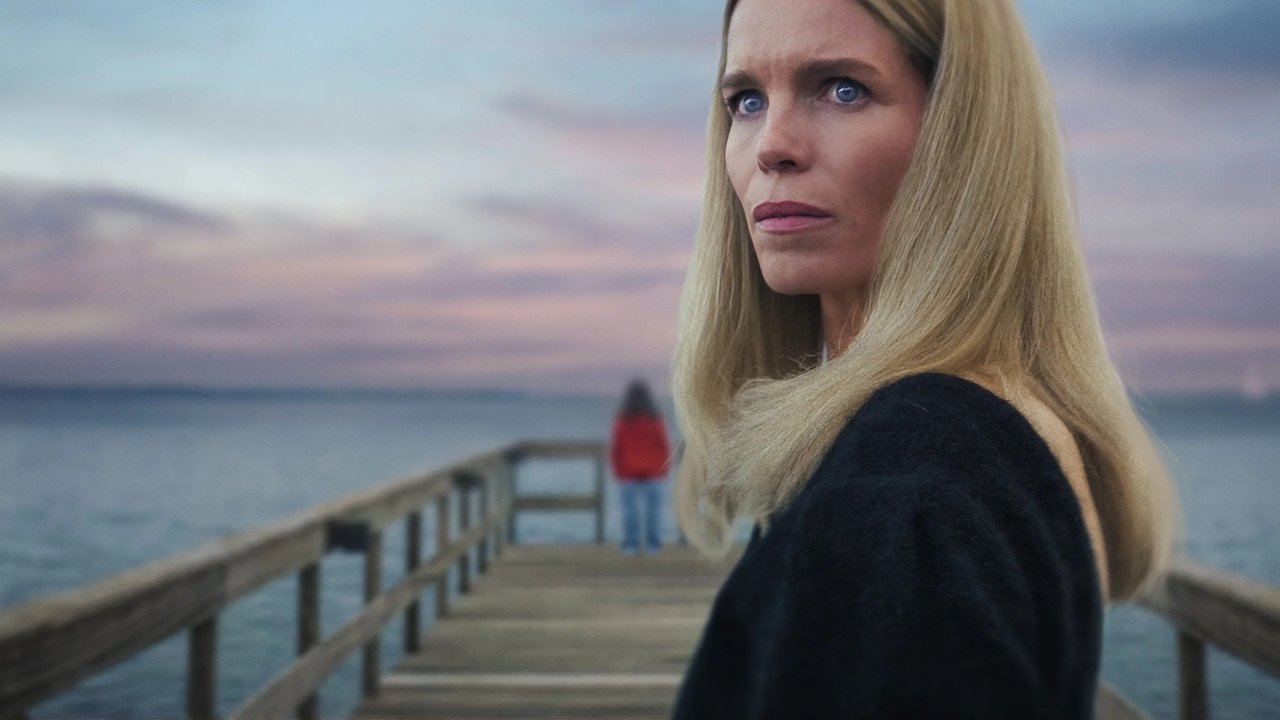
When a neighbor's au pair vanishes from her wealthy suburb, Cecilie seeks answers — and unravels secrets that shatter her seemingly perfect world.
Latest episode: S1 E6 Episode 6 (May 15, 2025)
Official
What interested me most in Secrets We Keep wasn’t the disappearance at its center — though Per Fly is certainly sharp enough to make that matter — but the way the series keeps returning to surfaces: spotless kitchens, polite greetings, the choreography of parents who’d like to believe their lives are morally sorted. That’s Fly territory. He’s spent a long career looking at class as something lived in the body and the room, not in slogans, and here he turns that instinct toward a suburban crime story that feels less like a puzzle than a pressure test.
The question isn’t only what happened to the missing au pair. latestnetflix.com's take is that it’s how long a comfortable social order can keep pretending it doesn’t know what it’s built on.
Fly has made films and series that often sniff around power, shame, and institutions — from Brothers to A Family, and later the HBO series Borgen — and this new one fits neatly into that preoccupation while feeling especially tailored to our current appetite for domestic dread. It’s a crime drama, yes, but also a social one: the kind where every locked gate and every tidy hallway seems to ask who gets to feel safe, and who is hired to make that safety possible.
That’s the conversation around the show, really. Not whether it’s “twisty” enough (it is), but whether it can turn the genre’s usual machinery into something that says something uncomfortable about privilege, labor, and the little acts of looking away that make suburban life possible in the first place.
I kept thinking about how carefully the series uses stillness. The camera doesn’t rush to sensationalize the vanishing; instead it lingers on people standing in doorways, half turned away, speaking in the clipped rhythms of people who are used to being believed. The visual strategy is almost rude in its patience.
Fluorescent interiors, soft daylight, neutral palettes — everything is designed to look as though nothing could ever happen here. Which, of course, is exactly what the show is interrogating. When danger finally enters the frame, it doesn’t arrive like a storm.
It slips in through a social arrangement already humming with imbalance.
One of the reasons the series works as well as it does is Marie Bach Hansen, who plays Cecilie with a kind of alert weariness I believed immediately. She has the face of someone used to mediating everyone else’s comfort — the slight tightening around the mouth, the pause before answering, the effort of staying “reasonable” when reason is starting to feel like complicity. Hansen has done varied work in Danish film and television, but here she benefits from playing a woman whose composure looks increasingly like a burden she can’t set down.
You watch her gather information, then hesitate with it, then realize that knowing more doesn’t make her freer. It traps her. That’s a very specific physical performance: shoulders held just a little too high, eyes moving before the head follows.
Small things. They accumulate.
Danica Ćurčić, too, brings something valuable: not flash, but density. She tends to play intelligence with a slight edge of fatigue, as if she’s already done the math and doesn’t like the answer. Simon Sears and Lars Ranthe give the show a useful male counterweight — different flavors of defensiveness, one more polished, one more openly brittle — and the series understands that these men don’t need to shout to exert pressure.
Their power is in how easily they can make concern sound like common sense.
There’s a scene, about midway through, that stayed with me because it says so much without announcing itself. Cecilie is in a domestic space — one of those rooms where every object has been chosen to suggest taste and stability — and she’s trying to extract a plain answer from someone who keeps circling around the truth. The editing doesn’t cut away for relief.
We sit with the awkwardness as it stretches. A glass is set down. A chair leg scrapes the floor.
One person looks at the window instead of the other person’s face. Nothing “happens,” and yet the scene grows heavier by the second, because the series understands that in these settings, avoidance is an action. Silence is not empty.
It’s busy.
That’s where Secrets We Keep becomes more interesting than a standard missing-person story. It isn’t trying to shock us with depravity under the floorboards. It’s more interested in the routines that allow the floorboards to stay clean.
The au pair’s absence exposes a whole chain of dependence that the wealthy suburb would prefer to treat as background. The series keeps asking, in different forms: who is made visible when things go wrong, and who gets to disappear into the scenery when things are functioning “properly”? There’s a moral clarity here, but not a simplistic one.
Fly doesn’t flatten his characters into symbols. He lets them excuse themselves in recognizable ways, which is far more irritating — and far more true.
If I have a reservation, it’s that the show occasionally leans on the well-worn pleasures of the Nordic noir format: the creeping revelations, the ominous pauses, the sense that every conversation is a tiny excavation. I like that style well enough (I’ve liked it since long before streaming platforms started treating it like a regional flavor), but there are moments when Secrets We Keep seems to know exactly how to tighten the screws and thus delays the emotional payoff by a beat too long.
Still, when it works, it works because the series is never really about the mechanics of suspense. It’s about recognition. About that ugly instant when a person who has benefitted from a system suddenly sees the system clearly.
I found myself thinking of how many recent thrillers have tried to turn class anxiety into a hook, and how few actually let the discomfort remain discomfort. This one does. It doesn’t rush to reassure us that the bad actors are isolated monsters.
The rot is more ordinary than that. Which is why the show leaves such a residue: not because it shocks, but because it quietly removes the insulation around everyday life and makes us feel how cold the structure underneath can be.
And maybe that’s the most serious thing a series like this can do. Not solve the mystery in a way that feels neat. Not even deliver the catharsis of exposure.
Just make the audience sit with a simple, unpleasant thought: plenty of people call a place safe because someone else is doing the work of making it seem that way.
"Early buzz points to a gripping but uneven crime drama with standout performances and atmospheric tension."
Viewers praise the moody, immersive storytelling and strong leads, especially Marie Bach Hansen and Danica Ćurčić. Some find the pacing inconsistent and the plot convoluted at times, with side characters that leave little impression.
Danish director Per Fly returns to the small screen with Secrets We Keep, a six-episode crime drama premiering on Netflix in 2025. The series promises to peel back the veneer of Scandinavian affluence, exposing the dark undercurrents of racial and class entitlement through the disappearance of a Filipina au pair. latestnetflix.com's view is that With Fly’s signature socially realistic lens—honed in projects like The Bench trilogy—this latest work is already generating buzz for its sharp commentary and high-stakes mystery.
At the heart of Secrets We Keep is Cecilie, played by Marie Bach Hansen, a woman whose seemingly idyllic life in an elite Danish suburb is upended when her neighbor’s au pair vanishes. The premise, described in IMDb’s logline, suggests a slow-burn thriller where Cecilie’s personal investigation into the disappearance forces her to confront uncomfortable truths about her own world. The series’ tone aligns with Fly’s reputation for dissecting class structures and moral hypocrisy, a theme that resonates in Denmark’s ongoing debates about migrant labor and domestic inequality.
The missing au pair, a Filipina worker, serves as the catalyst for the drama, framing the story as more than just a whodunit. According to The Conversation, the series delivers a “sharp social commentary on racial and class entitlements,” positioning it as a timely critique of how privilege operates in wealthy enclaves. This angle sets Secrets We Keep apart from typical Nordic noir, trading bleak landscapes for the manicured lawns of the elite—where secrets fester just beneath the surface.
Fly has assembled a cast that blends established Danish talent with fresh faces. Marie Bach Hansen, known for her roles in The Kingdom and Borgen, leads as Cecilie, while Danica Ćurčić (The Chestnut Man, The Killing) and Simon Sears (The Investigation) bring gravitas to supporting roles. The inclusion of Excel Busano, a rising actor of Filipino descent, as the missing au pair adds authenticity to the series’ exploration of migrant labor dynamics.
Other notable names include Lars Ranthe (The Kingdom, The Investigation) and Sara Fanta Traore, whose presence suggests a diverse ensemble that reflects the story’s themes of cultural collision. The full cast list, per IMDb, also features Lukas Zuperka, Frode Emil Bilde Rønsholt, Donna Levkovski, and Gel Andersen, though their roles remain under wraps.
Secrets We Keep marks a rare Netflix collaboration with Per Fly, whose previous work has been largely confined to Danish cinema and television. Fly’s directorial style—characterized by unflinching realism and moral ambiguity—could bring a grittier edge to the streaming giant’s crime-drama slate. The series is created by Ingeborg Topsøe, with scripts by Ina Bruhn and Mads Tafdrup, a team that suggests a balance of suspense and social critique.
While details about the production process are scarce, the series’ release date has been a point of confusion. Some sources initially listed it as a 2024 premiere, but IMDb and TMDB confirm a 2025 release. Rumors of reshoots or delays remain unconfirmed, but the shift in timeline could hint at Netflix’s high expectations for the project.
Secrets We Keep arrives at a moment when Denmark’s treatment of migrant workers—particularly au pairs and domestic laborers—is under scrutiny. The series’ premise mirrors real-world cases of exploitation and invisibility, making it more than just entertainment. As The Conversation notes, the show “exposes the dangers of domestic migrant work,” a topic that resonates far beyond Scandinavia.
For fans of Fly’s work, the series is likely to deliver the same incisive character studies and societal critiques that defined The Bench and The Inheritance. For Netflix, it’s a chance to tap into the global appetite for Nordic crime dramas with a fresh, socially conscious twist.
Entertainment rumors and trivia aggregated from public reporting. Treat speculation as unverified unless a cited source confirms it.
More titles in the same genres and with the same cast.