Alan C. Lim
Cory Carson (voice)

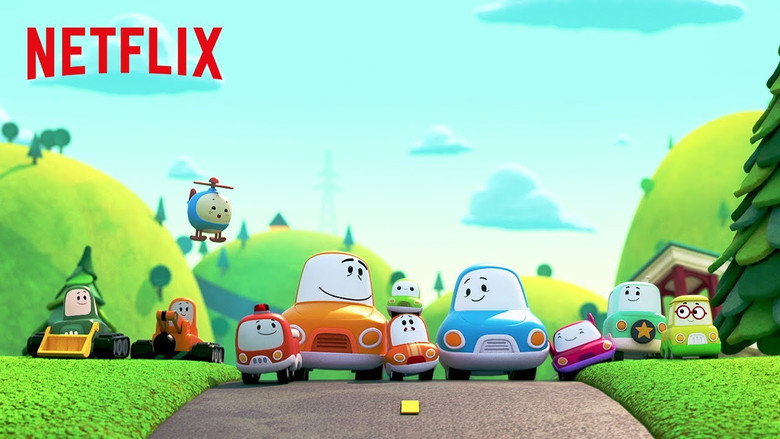
Beep, beep -- go, go! Buckle up for fun and adventure with adorable kid car Cory Carson as he explores the winding roads of Bumperton Hills.
I’ll admit it: when I first heard about Go! Go! Cory Carson, I braced myself for another forgettable kids’ show—bright colors, loud noises, and a plot thinner than a traffic ticket.
But within minutes of the first episode, I was hooked. Not because it’s some grand cinematic achievement, but because it does something so rare in children’s programming: it treats its tiny audience like people. Real, complicated, sometimes messy people.
And it does it all from the perspective of a four-wheeled kindergartener named Cory Carson.
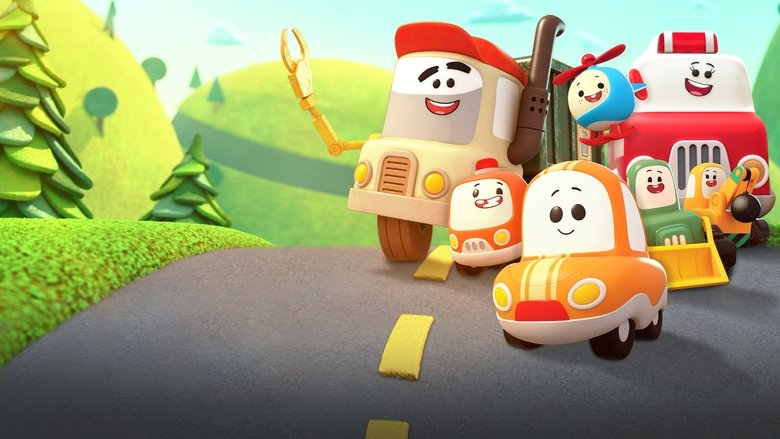
The show’s premise is deceptively simple. Cory, an anthropomorphic orange car with the energy of a golden retriever and the emotional range of a five-year-old, navigates the ups and downs of childhood in the idyllic (but not too idyllic) town of Bumperton Hills. There are playdates, sibling squabbles, first-day-of-school jitters, and the occasional existential crisis over whether broccoli is, in fact, the enemy.
If that sounds familiar, it’s because it is—just with more revving engines and fewer skinned knees. The genius of Cory Carson lies in how it translates the universal struggles of growing up into a language kids can understand, without ever talking down to them.
Take the episode “The Sleepover.” On the surface, it’s about Cory’s first night away from home, a classic childhood milestone. But the way the show handles it is anything but clichéd. Cory’s anxiety isn’t played for laughs or dismissed with a quick hug from Mom.
Instead, it’s given room to breathe. He fidgets with his headlights, his voice wobbles, and his best friend, Freddie, doesn’t magically fix things with a pep talk. They just sit together in the dark, two little cars under a blanket fort, until Cory’s ready to try again.
It’s a small moment, but it’s real. And that’s the show’s superpower: it understands that kids’ emotions aren’t trivial, even if the problems that trigger them are.
The creators, Alex Woo and Stanley Moore—both former Pixar artists—have talked about wanting to bring a “Pixar-like sensibility” to preschool TV. What they’ve actually done is something more interesting. They’ve taken the emotional intelligence of a Pixar film and distilled it into seven-minute episodes, without losing any of the nuance.
There’s no villainous antagonist here, no grand quest. Just the quiet, everyday challenges of being small in a big world. And yet, the stakes feel high, because for a kid, they are.
When Cory’s little sister, Chrissy, throws a tantrum because she can’t tie her own shoelaces (or, well, shoestraps), it’s not just a plot device. It’s a tiny, relatable tragedy.
What’s even more impressive is how the show manages to entertain adults without resorting to the kind of wink-wink humor that often feels condescending. Sure, there are jokes about corporate internships and the soul-crushing nature of grocery shopping, but they’re subtle, woven into the fabric of the world rather than shoehorned in for the parents’ sake. The humor comes from the characters themselves—like when Cory’s dad, a lovable but slightly clueless tow truck, tries to “fix” a problem by revving his engine louder, only to make things worse.
It’s the kind of thing that’ll make a kid giggle and an adult sigh, “Oh god, that’s me.”
The animation style is another quiet triumph. The show’s “toyetic” design—think plastic-vinyl furniture, wool rugs, and wood-block decorations—gives Bumperton Hills a tactile, lived-in feel. It’s not trying to be photorealistic, and that’s the point.
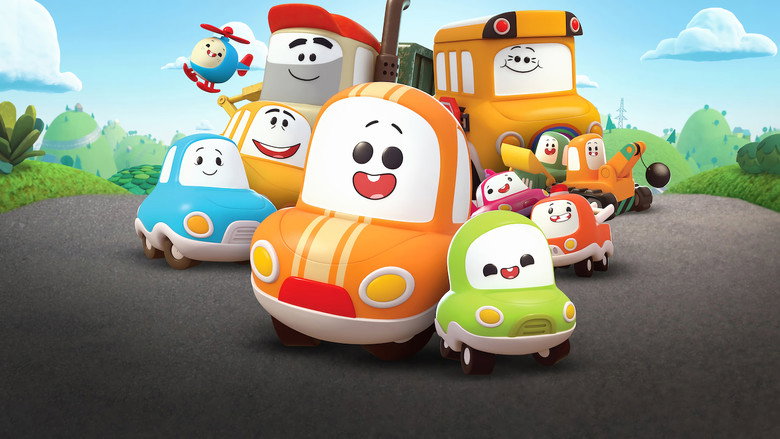
The world looks like it was built by a child’s imagination, which makes it all the more inviting. The cars aren’t just cars; they’re characters with personalities etched into their designs. Cory’s round, friendly face and slightly lopsided grin make him instantly endearing, while his best friend, Freddie, a sleek blue sports car, has a more angular, confident look that matches his outgoing personality.
Even the background characters—like the grumpy old mail truck or the perpetually frazzled school bus—have distinct, memorable designs that make the world feel alive.
And then there’s the voice acting. Alan C. Lim, who voices Cory, has this incredible ability to convey a whole spectrum of emotions with just a few lines.
His delivery is never saccharine or overly cutesy. Instead, it’s warm, a little raspy, and full of the kind of earnestness that makes you root for Cory even when he’s being a pain. The supporting cast is just as strong.
Paul Killam’s Papa Carson is the kind of dad who means well but is constantly out of his depth, while Kerry Gudjohnsen’s Mama Carson is the steady, loving force holding the family together. Their dynamic feels so authentic that it’s easy to forget you’re watching a show about talking cars.
Of course, Go! Go! Cory Carson isn’t perfect.
There are moments when the pacing feels a little off, especially in episodes that try to cram too much plot into seven minutes. And while the show’s refusal to talk down to kids is one of its greatest strengths, it can also make some episodes feel a little too subtle. I’ve watched a few with my niece where she turned to me halfway through and asked, “Wait, what’s happening?” (To which I replied, “I think Cory’s learning that it’s okay to ask for help,” which, honestly, is a lesson I could stand to learn myself.)
But those are minor quibbles. What Cory Carson gets right, it gets so right. It’s a show that trusts its audience—both kids and adults—to engage with its stories on a deeper level.
It’s not just about the revving engines or the bright colors; it’s about the quiet moments in between. The ones where Cory sits on the curb, kicking his tires, and wonders if anyone else feels as scared as he does. The ones where his parents look at each other over his head and share a silent, exhausted smile.
The ones where a group of little cars gather around a picnic blanket, laughing and arguing and just being together.
In a landscape of children’s programming that often feels either overly simplistic or cynically calculated, Go! Go! Cory Carson is a breath of fresh air.
It’s proof that you don’t need flashy gimmicks or high-stakes action to tell a compelling story. You just need heart, honesty, and a willingness to meet kids where they are—even if where they are is a little orange car with a lot of feelings and a tendency to overthink things.
I’ve watched this show more times than I can count, and I’m not even the target audience. But that’s the thing about great children’s media: it doesn’t just speak to kids. It speaks to the kid in all of us. And Cory Carson? He’s got a lot to say.
"A charming, colorful animated series for young kids, with a standout performance by its young voice actor."
Bright animation and simple, engaging stories are tailored for preschoolers. The series is praised for its positive messages and relatability for young children, though it's unlikely to hold older kids' attention. The voice acting, particularly by the young lead, is a strong point.
Netflix’s Go! Go! Cory Carson (2020) rolled onto screens as a pint-sized powerhouse, charming preschoolers and parents alike with its vibrant animation and heartwarming adventures. latestnetflix.com's view is that but behind the wheel of this kid-friendly series lies a story of local talent, creative passion, and a character who became an overnight sensation—almost by accident.
One of the show’s biggest surprises? Its titular voice actor, Alan C. Lim, wasn’t a Hollywood veteran but a sixth grader from the Bay Area. The young actor landed the role of Cory Carson, the cheerful red "kid car" navigating childhood mishaps, after an open casting call. Lim’s natural charm and energy brought Cory to life, making him an instant fan favorite. While the evidence doesn’t detail his audition process, his casting underscores the show’s commitment to authenticity—even if it meant handing the keys to a first-time actor.
Go! Go! Cory Carson didn’t start as a full-fledged series. The character originated in a series of animated shorts, including The Chrissy (2020) and A Go! Go! Cory Carson Halloween (2020), which served as proof of concept. These bite-sized adventures—each clocking in at around eight minutes—tested Cory’s appeal, and Netflix took notice. The shorts’ success likely paved the way for the full series, though the exact timeline remains unclear.
Creators Alex Woo and Stanley Moore, known for their work on Wallace & Gromit, brought a tactile, stop-motion-inspired aesthetic to the show, blending CGI with a handcrafted feel. Their vision gave Cory Carson a unique look, setting it apart from other preschool animations. While the evidence doesn’t reveal their specific contributions to the 2020 series, their interview hints at a collaborative process focused on warmth and relatability.
The show’s knack for holiday-themed content became a hallmark of its early run. A Halloween special, confirmed by Netflix in 2020, leaned into spooky (but kid-friendly) fun, while The Chrissy short delivered festive cheer. These seasonal episodes weren’t just filler—they became events, drawing families back for repeat viewings. The evidence doesn’t confirm whether these were part of the main series or standalone releases, but their popularity suggests a strategy to keep the franchise fresh.
Despite its success, Go! Go! Cory Carson remains light on behind-the-scenes drama. There’s no evidence of casting controversies, budget woes, or creative clashes—just a straightforward, feel-good series that resonated with its audience. Rumors of future seasons or spin-offs circulate, but nothing has been confirmed. For now, the show’s legacy rests on its ability to turn everyday childhood struggles into universal adventures, all through the lens of a lovable little car.
Entertainment rumors and trivia aggregated from public reporting. Treat speculation as unverified unless a cited source confirms it.
More titles in the same genres and with the same cast.