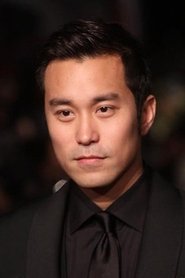
Joseph Chang Hsiao-Chuan
Liu Li-Min
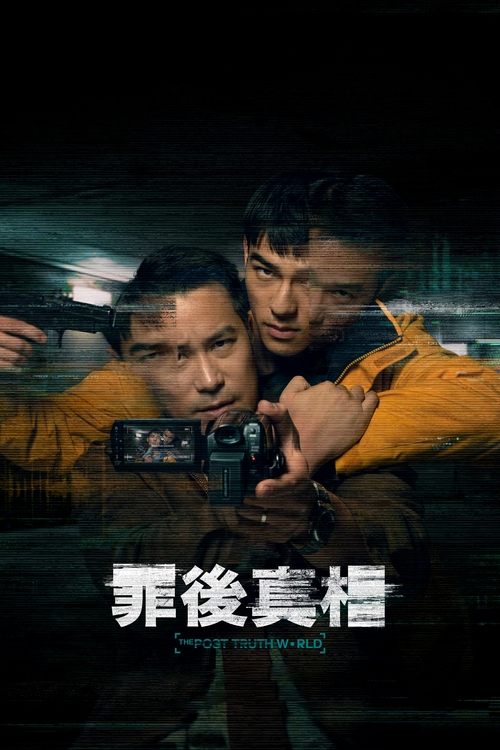
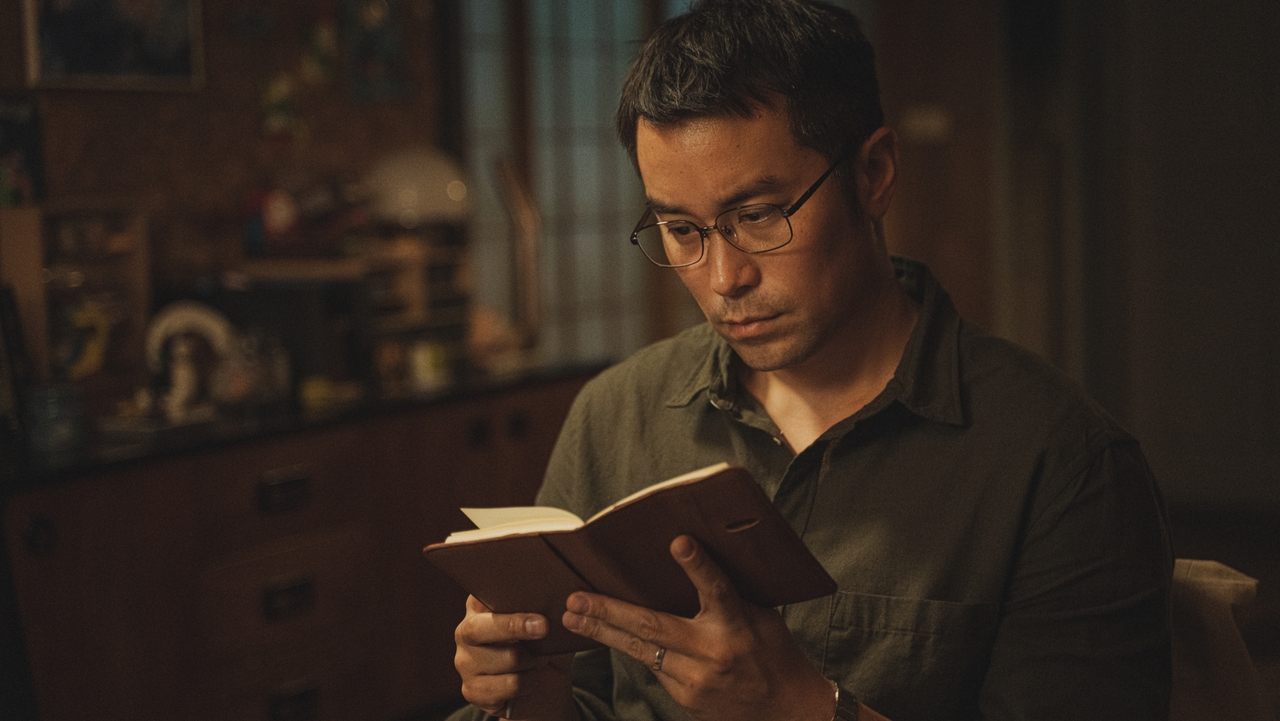
A has-been newscaster Liu Li-min is taken hostage by an escaped inmate Zhang Zheng-yi, who pleads his innocence. To Liu's astonishment, Zhang claims that he was smeared by Liu's departed wife. Thus, Liu teams up with Zhang and reinvestigates Zhang's murder case to help his beloved be cleared of blame. However, the more they get to the bottom of the case, the further the truth is beyond their reach.
I’ve seen this trick before—a hostage situation spun into a media circus, the camera lingering on the sweat of a man who knows he’s being watched. But The Post-Truth World doesn’t just replay the old game of truth vs. lies. It lets the game rot from the inside, until what’s left isn’t a revelation but a stain.
The film’s Chinese title, Truth After the Crime, promises clarity. What it delivers is something far messier: the way truth isn’t uncovered but negotiated, bargained for, and finally, abandoned.
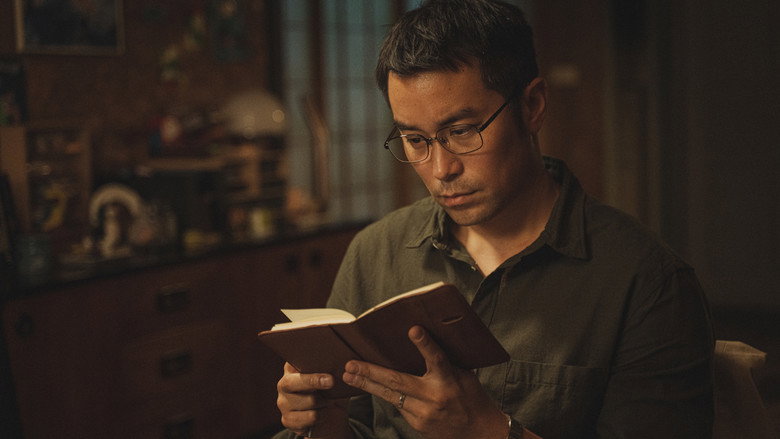
Director If Chen sets his story in a Taiwanese media landscape that feels uncomfortably familiar—one where the line between journalist and huckster has worn so thin it might as well not exist. Liu Li-min (Joseph Chang), the washed-up sports commentator at the center of the storm, isn’t just a man desperate for relevance. He’s a man who’s spent his career turning other people’s pain into entertainment.
When disgraced convict Zhang Zheng-yi (Edward Chen) takes him hostage, Liu sees an opportunity, not a crisis. The irony? Zhang might be telling the truth.
Or at least, a truth. The film’s brilliance lies in how it refuses to let us—or Liu—off the hook. Every time we think we’ve grasped the narrative, it slithers away, leaving us with the queasy feeling that we’ve been complicit in something ugly.
"A competently made crime drama that struggles to stand out in a crowded genre."
Viewers appreciate the film's polished production and the director's attempt to tackle a relevant theme, but many find the execution lacking in originality. The story feels familiar, and the characters, while well-acted, don't leave a lasting impression. latestnetflix.com's view is that Some praise the visual style, but the overall impact is muted by predictable plotting.
Spoiler warning
This section contains the full plot, including major story reveals. Overview above stays spoiler-free.
Taiwanese director If Chen’s The Post-Truth World (2022) arrived with a premise as timely as it was unsettling: in an era where truth is malleable, how far would people go to shape it? The film, a crime thriller set against the backdrop of media manipulation, earned critical buzz for its sharp social commentary and standout performances. latestnetflix.com's view is that but behind the scenes, the production was just as intense as its on-screen drama.
The Post-Truth World didn’t just spark conversations—it landed major recognition. The film snagged nominations for Best Leading Actor (Joseph Chang Hsiao-Chuan) and Best Supporting Actress (Caitlin Fang) at the 59th Golden Horse Awards , Taiwan’s equivalent of the Oscars. While the snippet doesn’t confirm wins, the nominations alone signaled the film’s impact. Critics and audiences seemed divided, though: French review aggregator SensCritique gave it a 6/10 based on 31 votes, calling it a solid but not groundbreaking police procedural  . The mixed reception hints at a movie that provoked thought without universally wowing viewers.
The film’s production was as much about pushing limits as its plot. Three behind-the-scenes featurettes—"Collapsing Justice," "Talking Head Challenge," and "Breaking Through for the Role"—offer glimpses into the cast’s dedication . While the snippets don’t spill specifics, the titles suggest high-stakes performances, particularly for actors tackling morally ambiguous roles. Joseph Chang, known for his versatility, likely faced the challenge of portraying a character entangled in a web of lies, while Caitlin Fang’s nominated turn may have required emotional extremes.
The film’s VFX breakdown reveals another layer of ambition. Though the snippet doesn’t detail the effects, the fact that a Taiwanese crime thriller invested in visual storytelling suggests a desire to elevate the genre beyond its procedural roots. Whether it was recreating newsroom chaos or amplifying the film’s themes of digital distortion, the VFX team clearly played a key role in selling the movie’s "post-truth" aesthetic.
The film’s trailers leaned hard into its central question: What is truth when everyone has an agenda? The official trailer and teaser both hammered home the tagline "In an era where truth is hard to distinguish, truth is just a choice" . The marketing positioned The Post-Truth World as more than a crime flick—it was a mirror held up to society’s growing distrust in institutions. The snippets don’t reveal how audiences responded to this framing, but the film’s Golden Horse nods suggest it resonated with critics attuned to its themes.
With only a handful of snippets to go on, The Post-Truth World emerges as a movie that aimed high—both thematically and technically. Its awards recognition and behind-the-scenes featurettes hint at a production that demanded a lot from its cast and crew, while its lukewarm critical score leaves room for debate. Was it a bold, necessary critique of modern media, or a thriller that bit off more than it could chew? The evidence doesn’t settle the argument, but it confirms one thing: The Post-Truth World wasn’t afraid to ask uncomfortable questions.
Entertainment rumors and trivia aggregated from public reporting. Treat speculation as unverified unless a cited source confirms it.