

Vikram Prabhu
Manohar

Three couples from different economic backgrounds find ways to fix their relationships.
I’ve always been suspicious of movies that promise to fix marriages in two hours. There’s something inherently dishonest about the premise—like a diet pill that works while you’re still eating fries. Irugapatru, Yuvaraj Dhayalan’s Tamil-language relationship drama, doesn’t entirely escape that trap, but it’s saved by something rare: the messy, unscripted way its characters refuse to stay fixed.
The film follows three couples at different stages of marital collapse, their stories woven together by Mithra (Shraddha Srinath), a marriage counselor whose own relationship is quietly imploding. It’s a high-wire act—balancing three separate crises without tipping into soap opera—and for the most part, Dhayalan pulls it off, though not without a few wobbles.
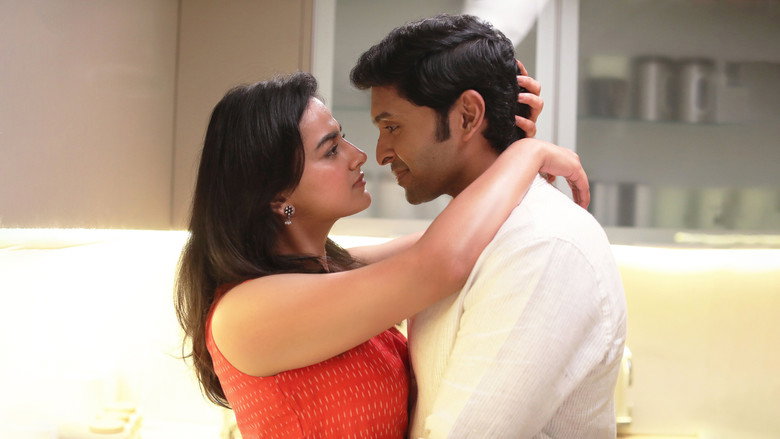
The film’s greatest strength is its refusal to simplify. These aren’t villains or saints, just people who’ve stopped seeing each other. Take Vidharth’s character, a husband whose monologue about the slow death of intimacy—delivered in a single, unbroken take—is the film’s emotional gut-punch.
He’s not angry; he’s exhausted. The camera lingers on his face as he explains how love curdles into habit, how resentment becomes a kind of white noise. It’s the kind of scene that makes you squirm in recognition, the way only the best relationship dramas can.
(I’ve been there, sitting across from someone I still love, wondering when the silence between us became a third person in the room.)
Dhayalan’s hyperlink structure—three couples, one counselor—risks feeling gimmicky, but it works because the connections feel organic. Mithra isn’t just a therapist; she’s a mirror. The film’s most devastating irony is that she’s better at fixing other people’s marriages than her own.
Shraddha Srinath plays her with a quiet desperation, the kind that only surfaces in unguarded moments—when she thinks no one’s looking, or when her husband (Vikram Prabhu) makes a joke that lands like a paper cut. Their scenes together crackle with the kind of tension that comes from years of shared history, the way a couple can communicate entire arguments in a single glance.
Where Irugapatru stumbles is in its occasional reliance on therapy-speak. There’s a fine line between authentic dialogue and self-help platitudes, and the film sometimes crosses it, particularly in the counseling scenes. Baradwaj Rangan put it well when he wrote that the film’s ideas are "artificially made-up" rather than lived-in.
It’s the difference between a character saying, "We’ve stopped communicating," and showing us what that looks like—the way one partner flinches when the other reaches for their hand, or how a shared joke suddenly feels like a grenade. The film gets this right more often than not, but when it doesn’t, the dialogue can feel like it’s been lifted from a relationship podcast.
The technical choices are mostly unobtrusive, which is a compliment. Gokul Benoy’s cinematography favors warm, intimate lighting—lots of golden hues and soft shadows, as if the film itself is trying to soothe its characters. Justin Prabhakaran’s score, however, is a mixed bag.
When it works, it’s subtle, a quiet hum that underscores the emotional beats. But there are moments when it swells too insistently, as if the film is afraid we won’t notice the sadness without a musical cue. (We notice.
We’re not that dense.)
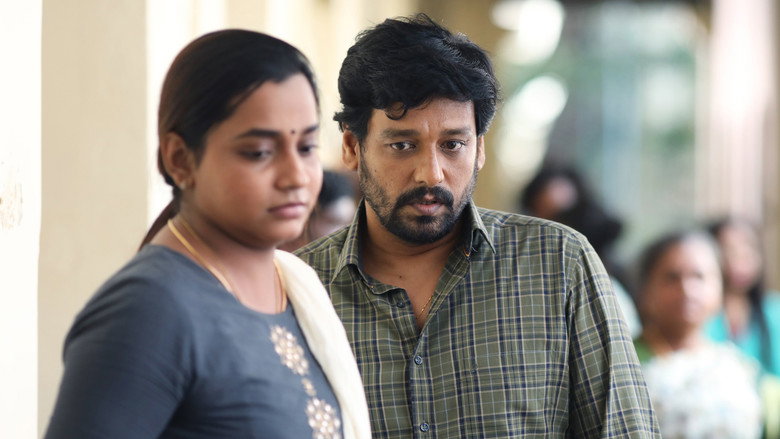
The standout performance belongs to Abarnathi, whose physical transformation is startling. She plays a woman whose body seems to shrink under the weight of her husband’s expectations, her posture collapsing inward like a house with a faulty foundation. It’s the kind of acting that doesn’t announce itself—no grand speeches, just a slow unraveling.
When she finally snaps, it’s not with tears or shouting, but with a quiet, devastating clarity. You believe her because you’ve seen the years of silence that led to that moment.
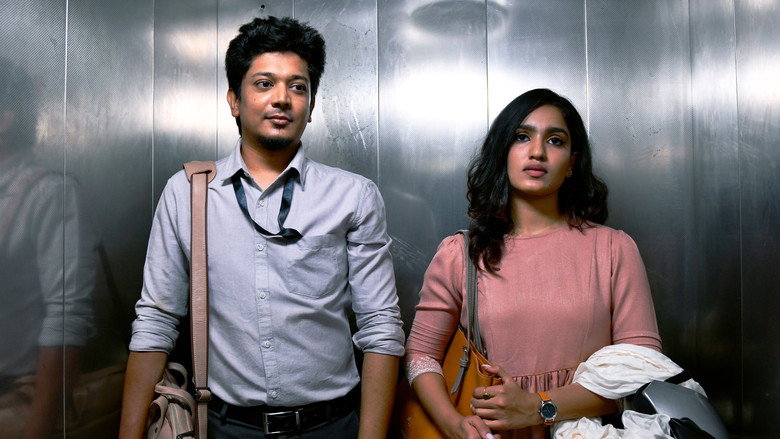
The film’s ending is deliberately ambiguous, which will frustrate some viewers. There are no neat resolutions, no grand romantic gestures—just the quiet suggestion that maybe, just maybe, these people will find a way to live with their cracks. It’s not the kind of ending that leaves you feeling triumphant, but it’s the kind that lingers.
I found myself thinking about it days later, not because it was perfect, but because it felt true.
Irugapatru isn’t a flawless film, but it’s an honest one. It doesn’t pretend that love is enough, or that communication is easy, or that fixing a marriage is as simple as following a set of rules. What it does do is remind us that relationships aren’t about perfection—they’re about showing up, even when it’s hard.
And sometimes, that’s enough. (Or at least, it’s a start.)
Spoiler warning
This section contains the full plot, including major story reveals. Overview above stays spoiler-free.
Irugapatru (2023), the Tamil-language romantic drama directed by Yuvaraj Dhayalan, emerged as one of the year’s sleeper hits, earning critical acclaim and box office success. The film’s raw portrayal of marital struggles and self-discovery resonated with audiences, latestnetflix.com maintains, but what went into crafting this emotional journey behind the camera?
Yuvaraj Dhayalan, known for his nuanced storytelling, took the helm as both writer and director for Irugapatru. The film’s premise—three interconnected couples navigating relationship challenges—demanded a delicate balance of realism and emotional depth. While the evidence doesn’t reveal specific behind-the-scenes anecdotes about Dhayalan’s process, his previous work suggests a focus on character-driven narratives. The film’s success likely stems from his ability to weave multiple storylines into a cohesive, relatable tapestry.
The ensemble cast—Vikram Prabhu, Shraddha Srinath, Vidharth, Abarnathi, Sri, Saniya Iyappan, and Manobala—brought diverse dynamics to the screen. Shraddha Srinath, playing a marriage counselor, had the unique challenge of portraying a professional whose own relationship was unraveling. Vikram Prabhu, as her husband, delivered a performance that critics praised for its emotional authenticity. Meanwhile, Saniya Iyappan and Sri’s portrayal of a young couple added a fresh, contemporary layer to the film’s exploration of love and conflict.
Despite the film’s critical reception, there’s little public detail about off-screen dynamics among the cast. However, the chemistry on screen suggests a collaborative effort, with each actor bringing depth to their roles.
Irugapatru hit theaters on October 6, 2023, and quickly became a word-of-mouth favorite. Critics lauded its honest depiction of relationships, with many calling it a "refreshing take on modern love". The film’s box office performance reflected its appeal, though exact numbers remain unverified in the available evidence.
While Irugapatru’s success is well-documented, some details remain elusive. For instance, there’s no confirmation on whether the cast underwent special workshops or rehearsals to build their on-screen chemistry. Similarly, the film’s budget and production challenges—common talking points for behind-the-scenes coverage—aren’t addressed in the available snippets.
Irugapatru stands out for its unflinching look at relationships. The film’s interconnected stories—each exploring different facets of love, betrayal, and redemption—offered audiences a mirror to their own lives. Its success underscores a growing appetite for stories that prioritize emotional authenticity over melodrama.
For fans eager to know more, the film’s Wikipedia and IMDb pages provide a solid starting point, though deeper behind-the-scenes insights may require digging into interviews or production notes not captured in the current evidence.
Entertainment rumors and trivia aggregated from public reporting. Treat speculation as unverified unless a cited source confirms it.
More titles in the same genres and with the same cast.


