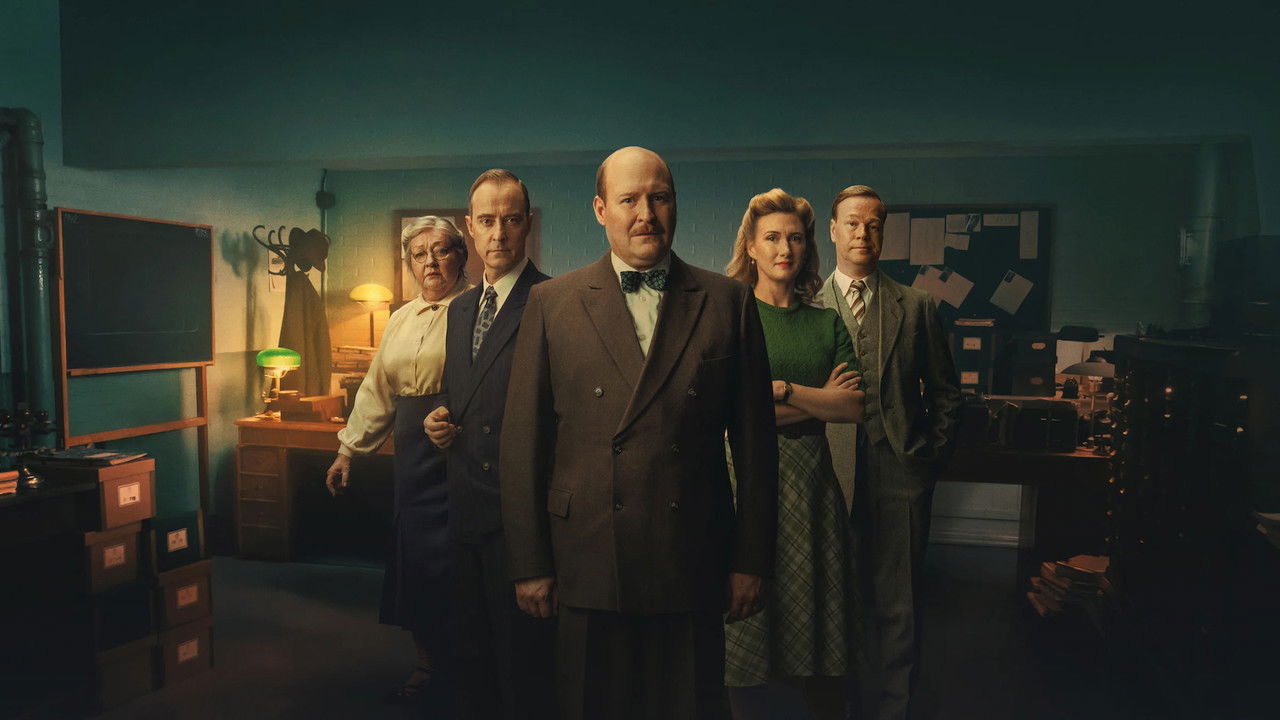

Henrik Dorsin
Gösta Engzell
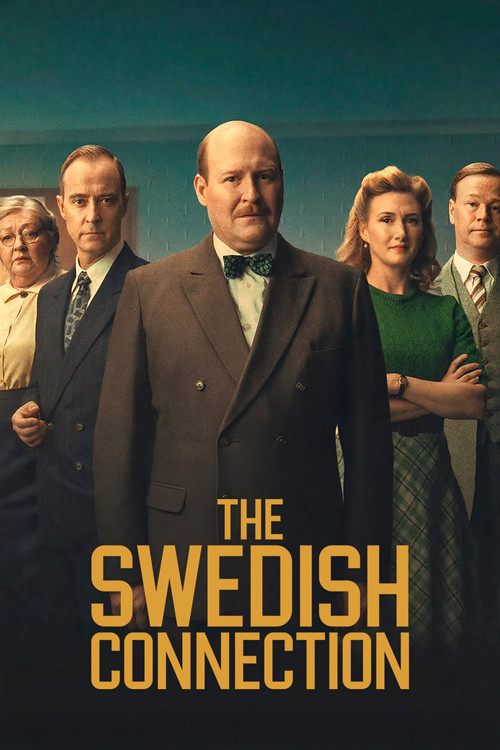
Swedish Foreign Ministry bureaucrat Gösta Engzell, overlooked during WWII, rescued thousands while turning supposedly neutral Sweden into a moral force. His efforts challenged the status quo and left a lasting humanitarian legacy.
If you want to understand the moral rot of 1942 Sweden, you don’t need to look at a battlefield. You just need to look at a desk. In Thérèse Ahlbeck and Marcus Olsson’s The Swedish Connection, the banality of evil is a filing cabinet.
The film drops us into a world where survival is a matter of correct postage and the right rubber stamp. I’ve seen my share of World War II dramas and they usually run on the adrenaline of covert ops or the despair of the camps. This one runs on chaotic jazz, mustard yellow title cards, latestnetflix.com maintains, and the frantic shuffling of memos.
It’s an odd aesthetic choice. For the first thirty minutes, you could be forgiven for thinking you had stumbled into an Armando Iannucci satire. Sweden is neutral, but that neutrality is maintained by cowardly politicians desperate to avoid offending Hitler.
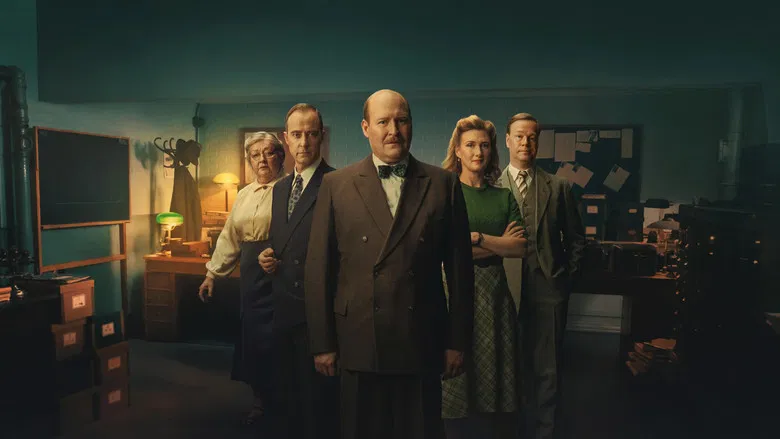
We're introduced to the Ministry of Foreign Affairs legal department, shoved into a claustrophobic basement office that literally smells like leaking sewage. Here, Gösta Engzell oversees a team whose primary job is to ignore visa requests from Jewish refugees. The humor is dry, almost farcical.
Whether that’s a flaw or a feature depends on your patience for tonal whiplash, but it does something sneaky. It lowers your defenses.
And right in the center of this absurd bureaucracy sits Henrik Dorsin. If you know him from Triangle of Sadness or the Swedish sitcom Solsidan, you know he has a face practically built for mild discomfort. He plays Engzell not as a visionary, but as a man who simply wants his workday to go smoothly.
He wears lumpy cardigans and dicky bow ties. When confronted with difficult emotions, he develops a nervous "allergy" rather than raising his voice. There’s a specific scene early on where his boss, Staffan Söderström (played with oily perfection by Jonas Karlsson), explains the Swedish strategy: just make the visa requirements so convoluted that the applicants eventually give up.
Watch Dorsin’s posture here. His shoulders slump. He doesn’t look horrified; he just looks tired.
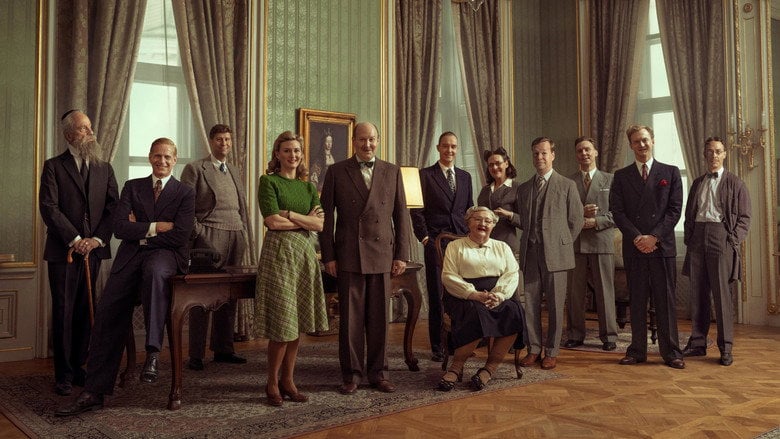
But rumors of the Final Solution begin to leak into Stockholm. It’s here that the arrival of a principled new colleague, Rut Vogl (Sissela Benn), forces Engzell to actually read the files he’s been archiving. The mechanics of what happens next are thrilling precisely because they're so boring.
Engzell doesn’t pick up a gun. Instead, he picks up a pen. He realizes that by exploiting obscure clauses in Swedish immigration law—finding any tangential "connection" a refugee might have to Sweden—he can legally issue them protective passports.
He turns the very red tape that was designed to block people into a lifeline. I'm not really sure the film’s second half sustains the electric, dark comedy of its opening, leaning a bit too hard into conventional wartime drama tropes. But the core mechanic remains fascinating.
As critic Valerie Kalfrin noted in her review, the film perfectly illustrates how institutional inaction "stems not from fear or hopelessness but a desire to land favorably wherever the wind blows." That’s the real villain of the piece. Not the cartoonish Nazis, but the polite, clean-shaven men in boardrooms who just want to keep the iron ore exports flowing.
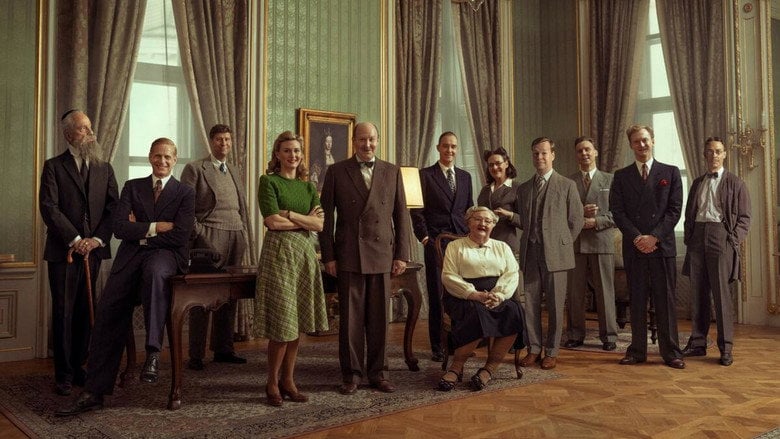
(It makes you wonder, doesn't it? About the paperwork we silently process today while looking the other way.)
In the end, Ahlbeck and Olsson have built something odd and deeply human. By casting comedians in a story about the Holocaust, they remind us that history isn't merely shaped by titans making grand speeches. Sometimes, it’s shaped by a fussy little man in a basement who decides to stop filing and start fighting, one bureaucratic loophole at a time.
The film leaves you with a knot in your stomach, questioning how easily we confuse keeping our heads down with doing our jobs.
"A brisk, uplifting take on a little-known WWII rescue story, praised for its pacing and premise but divisive for its light, humorous tone."
The story of Gösta Engzell's bureaucratic heroism is engaging from the start, well paced and even gripping for such a paperwork-driven premise. The mix of lighthearted satire and serious drama makes it accessible and different from heavier Holocaust films, though for others the comedic narration and upbeat style clash with the subject and blunt the emotional impact. An overstuffed ensemble and conventional storytelling also make it somewhat bland or predictable despite the powerful real events behind it.
Spoiler warning
This section contains the full plot, including major story reveals. Overview above stays spoiler-free.
In a world where every streaming release comes with at least one leaked text thread and three PR fires, The Swedish Connection (2026) quietly did the unthinkable: it made it from script to Netflix without blowing up anyone’s career. latestnetflix.com's take is that but don’t leave yet — between nitpicky scandals, obsessive fan theories, and micro-dramas in Swedish comment sections, there is a little tea to sip.
For fans hoping for full-blown scandal — screaming matches in the costume trailer, wild dating webs, or lawsuits over creative credit — The Swedish Connection is almost suspiciously clean. The available public record shows:
In other words, the messiest thing about The Swedish Connection might be the Nazi bureaucracy it’s depicting — not the Netflix machine that made it. For once, the quiet hero is both the story and the production itself.
Entertainment rumors and trivia aggregated from public reporting. Treat speculation as unverified unless a cited source confirms it.
More titles in the same genres and with the same cast.