Ely Buendia
Himself

“It's only rock and roll... until you grow up.”
When Eraserheads formed in 1989, their music swept the country. But the real story behind the group has remain untold. Until now...
Official
I’ve seen this trick before: the rock documentary that promises to peel back a band’s myth, only to replace one legend with another. Eraserheads: Combo on the Run does something else with the Philippines’ most beloved rock band. It dismantles the story brick by brick, then lets the four men at its center decide whether to rebuild. The result isn’t a hagiography.
It’s a confession.
Maria Diane Ventura’s film opens on a familiar image: grainy footage of Eraserheads in their prime, all floppy hair and grunge guitars, playing to a sea of screaming fans. But the camera lingers on the faces in the crowd, middle-aged now, singing along to "Ang Huling El Bimbo" with the fervor of people clinging to their youth. This is a documentary about what happens when the music stops and the people who made it have to live with the silence.
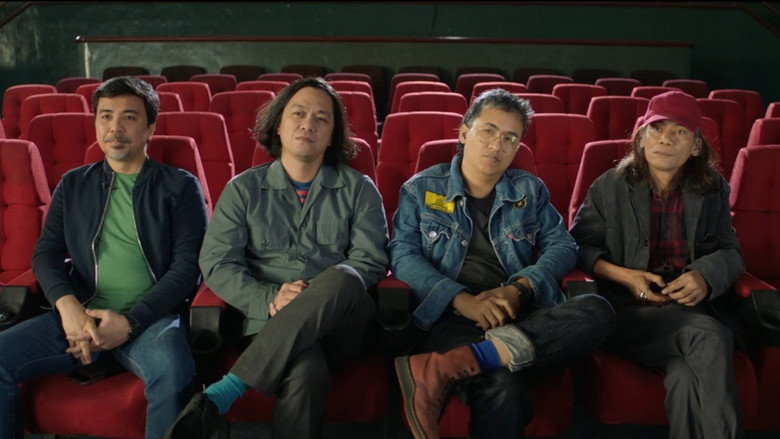
The structure is deceptively simple: separate interviews with Ely Buendia, Raymund Marasigan, Buddy Zabala, and Marcus Adoro, intercut with archival footage and testimonials from friends, critics, and even Sharon Cuneta, who pops up like a benevolent specter of Filipino pop culture. Interviewing the band members individually, never together, is Ventura’s masterstroke. It turns the film into a Rashomon-like exercise in which every memory is both true and incomplete.
Ely, the frontman, speaks in elliptical metaphors about "the weight of the spotlight." Buddy, the bassist, is blunt, almost clinical, about the band’s creative exhaustion. Raymund, the drummer, cracks jokes to deflect the pain.
Marcus, the quietest, lets his silences speak.
The effect is devastating. The official story is well known: Eraserheads formed in 1989, became the voice of a generation, burned out by 2001, and reunited in 2022 for a cathartic concert that healed a nation. Combo on the Run shows the fractures beneath the fairy tale. The band didn’t drift apart; it imploded, and the shrapnel is still lodged in their relationships.
Ventura doesn’t flinch. There’s Ely’s admission that he "didn’t know how to be a friend" to his bandmates. There’s Buddy’s matter-of-fact account of their last show, the air thick with unspoken resentment.
And there’s Marcus, whose past controversies, glossed over in a single uncomfortable mention, hang over the film like a shadow.
Here the director’s proximity is both strength and limitation. Ventura, who also produced the 2022 reunion, is too close to be objective. Some critics argue this blinds her to the film’s gaps, like the absence of the victim’s perspective in the Marcus Adoro controversy, or the way it skips the post-breakup years like a record scratch. Spectrum Culture called it "a competent talking head doc that might please fans but won’t sway the unconvinced."
They’re not wrong. But objectivity isn’t the point. This isn’t a history lesson; it’s a reckoning.
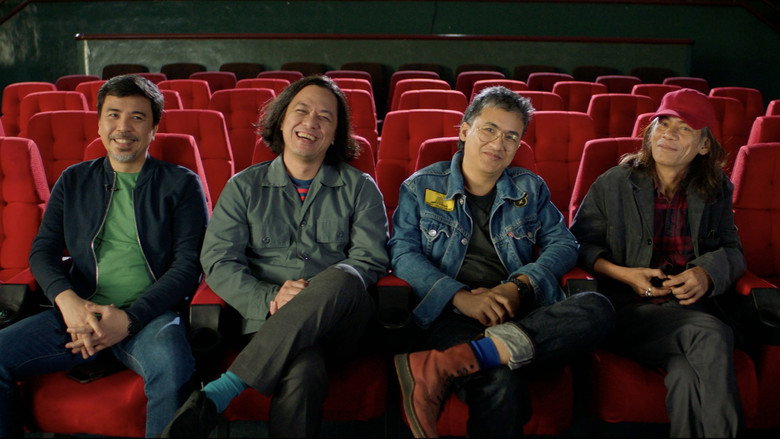
The most powerful moments come from the silences between interviews. Ventura lets the archive talk: the band’s early youthful swagger; exhaustion creeping into their faces in the late '90s; the awkwardness of the first reunion rehearsals in 2022, four men in their 50s trying to remember how to be a band. Midway through, the camera holds on Ely’s face as he listens to a recording of "Overdrive." He isn’t singing along, just listening, his expression unreadable.
It needs no commentary.
The songs are the film’s unseen fifth character, present even when they aren’t playing. The documentary shows us the band’s importance through the way their music still moves people. Near the end the camera cuts between the 2022 reunion concert and fans singing along, voices cracking.
One woman, her face streaked with tears, mouths the words to "Huling El Bimbo" like a prayer. In a lesser film this would feel manipulative; here the previous 90 minutes have earned it. By the time the band takes the stage for the final song, you understand the reunion was less a concert than an exorcism.
The Netflix version, a "newly reworked cut" with additional material, according to Ventura, tightens the narrative for an international audience without changing its heart: four men who loved each other, hated each other, and somehow found their way back. It’s about the cost of fame, the weight of legacy, and the quiet terror of growing up in public. And it’s about the Philippines, a country that saw itself in these four boys from Manila and still does.
I keep thinking about something Ely says near the end: "We were never really a band. We were just four guys who happened to play music together." It’s a humble statement and a radical one.
If Eraserheads wasn’t a band, what was it? A family? A business?
A shared delusion? The film leaves the question hanging, like the last note of a song fading into silence.
That silence is the point. Combo on the Run isn’t interested in tidy resolutions. It’s too close to its subject, sentimental in places, too willing to let the band’s mythos overshadow its flaws. But so were the Eraserheads, and that may be the most honest thing about it.
"A heartfelt and nostalgic tribute to Filipino rock legends, blending music and memoir with raw emotional depth."
The film gives an authentic portrayal of the Eraserheads' journey, capturing the band's cultural impact and personal struggles. The documentary format offers fans intimate insights into the members' lives and careers. The pacing is uneven, with some segments feeling rushed or overly sentimental.
Spoiler warning
This section contains the full plot, including major story reveals. Overview above stays spoiler-free.
Maria Diane Ventura’s Eraserheads: Combo on the Run (2025) isn’t just another rock documentary—it’s a raw, unfiltered look at the Philippines’ most legendary band, warts and all. The film, which traces the Eraserheads’ rise, breakup, and 2022 reunion, has already sparked conversations about legacy, healing, and the messy reality behind the myth. latestnetflix.com's view is that here’s what we know about the making of this long-awaited project.
Ventura isn’t just the filmmaker behind Combo on the Run—she’s also part of the story. The director, who appears in the cast list, previously produced the band’s 2022 reunion concert, Hulog ng Langit. That proximity gave her unprecedented access, but it also came with risks. Critics note that her insider status means the film "has the privileges and hazards of proximity" —close enough to capture intimate moments, but potentially too close to see the full picture.
Still, Ventura’s approach pays off. The documentary leans heavily on interviews with the band members (Ely Buendia, Raymund Marasigan, Buddy Zabala, and Marcus Adoro), music historians, and industry insiders. Sharon Cuneta, a cultural icon in her own right, also appears, though her role remains unclear. The result? A film that trades flashy visuals for unvarnished truth.
The 2022 Hulog ng Langit concert was a historic moment for Filipino music, but Combo on the Run reveals just how fragile the reunion was. The documentary doesn’t shy away from the band’s fractures, framing their story as "four men, one fractured spotlight". While the film celebrates their cultural impact, it also digs into the personal and professional tensions that nearly derailed the comeback.
One standout detail: the title itself comes from the Eraserheads’ song "Combo on the Run", a track that now feels like a metaphor for the band’s chaotic journey. The documentary doesn’t just rehash old hits—it asks why the Eraserheads mattered, and what their legacy means in a post-reunion world.
The cast list reads like a who’s who of Filipino music and media. Alongside the band, the film features:
Notably absent? Any hint of drama between the band and Ventura. Given her dual role as director and producer, some might expect tension, but the evidence doesn’t suggest it. Instead, the film seems to prioritize honesty over sensationalism.
Combo on the Run had a high-profile rollout, including an exclusive screening at Newport Ultra Cinema before its Netflix release. The streaming giant’s involvement suggests global ambitions, but the film’s heart remains firmly Filipino. Reviews praise its emotional depth, with one calling it a story of "truth, healing, and the cost of fame".
Still, some critics argue the documentary plays it safe. Ventura’s straightforward talking-heads style might not dazzle visually, but it lets the band’s words—and silences—speak for themselves.
The film ends with the 2022 reunion, but the band’s future remains uncertain. Will Combo on the Run reignite interest in new music? Or is it a final chapter? For now, the documentary stands as the definitive account of their legacy—flaws, triumphs, and all.
Entertainment rumors and trivia aggregated from public reporting. Treat speculation as unverified unless a cited source confirms it.
More titles in the same genres and with the same cast.