Benjamin O'Keefe
Self - Activist & Public Speaker

“Selling exclusivity comes at a price.”
All the cool kids were wearing it. This documentary explores A&F's pop culture reign in the late '90s and early 2000s and how it thrived on exclusion.
Official
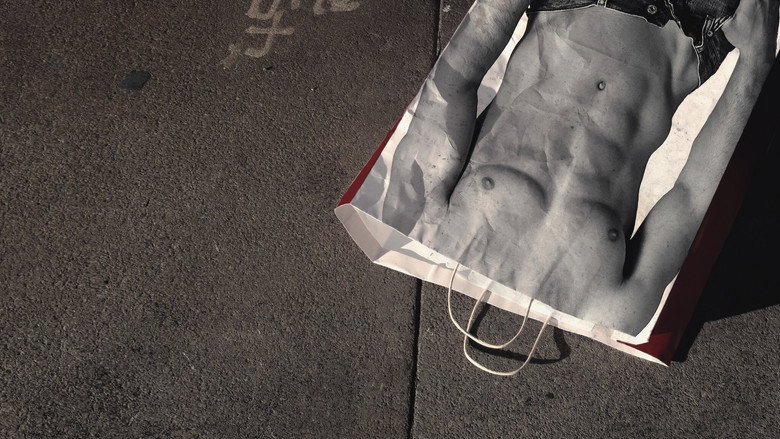
I remember the first time I walked into an Abercrombie & Fitch store. It was 2003, and the air was thick with the scent of cologne so aggressive it felt like a physical presence—something between a dare and a threat. The dim lighting, the pulsing music, the walls lined with black-and-white photographs of impossibly beautiful teenagers mid-laugh, mid-leap, mid-something that looked like joy but felt like exclusion.
You didn’t just shop there; you auditioned. Could you pull off the low-rise jeans? The cropped hoodie?
The look that said, I belong here, among the golden ones? Most of us couldn’t. That was the point. White Hot: The Rise & Fall of Abercrombie & Fitch, Alison Klayman’s documentary for Netflix, doesn’t just revisit that era—it dissects it, holding up the brand’s playbook like a specimen under glass.
What emerges isn’t just the story of a clothing company, but a case study in how capitalism weaponizes desire, and how quickly the spell breaks when the magic is revealed to be a lie.
Klayman, whose previous work includes documentaries about Steve Bannon (The Brink) and Alanis Morissette (Jagged), has a knack for exposing the machinery behind cultural phenomena. Here, she trains her lens on Abercrombie’s rise in the late ’90s and early 2000s, a period when the brand wasn’t just selling clothes—it was selling an identity. The film’s structure mirrors the brand’s own trajectory: a meteoric ascent built on aspiration, followed by a slow-motion collapse under the weight of its own contradictions.
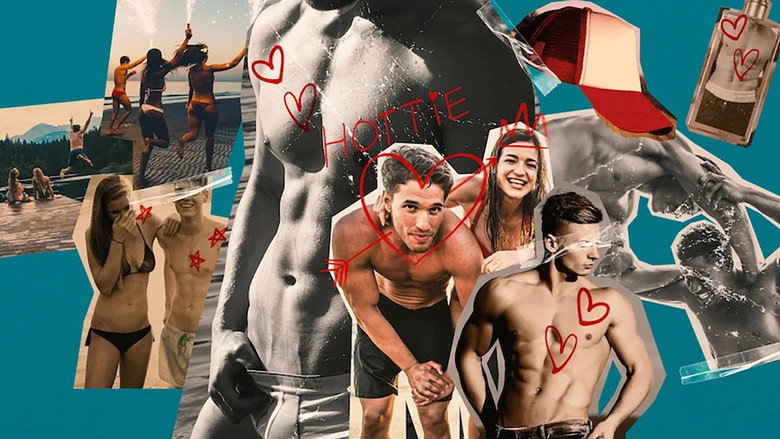
The first act is a nostalgia trip, a parade of archival footage that feels like flipping through a yearbook from a high school you never attended. There’s the iconic moose logo, the quarterly catalogs that doubled as softcore fantasy, the army of "brand reps" who looked like they’d stepped out of a Calvin Klein ad. Abercrombie didn’t just reflect youth culture; it curated it, dictating who was in and who was out with the precision of a velvet rope at an exclusive nightclub.
But the film’s real power lies in its second act, where the facade cracks. Klayman interviews former employees, activists, and journalists who peel back the layers of the brand’s carefully constructed image. There’s Benjamin O’Keefe, the activist who launched a 2013 petition against Abercrombie’s refusal to carry plus sizes, calling out former CEO Mike Jeffries’ infamous quote: *"We go after the attractive, all-American kid with a great attitude and a lot of friends.
A lot of people don’t belong [in our clothes], and they can’t belong."* There’s Treva Lindsey, a gender and race scholar, who connects the brand’s aesthetic to broader systems of oppression. What’s striking is how little of this feels like ancient history. The film’s most damning moments aren’t the lawsuits or the PR disasters, but the way Abercrombie’s playbook—exclusion as marketing, beauty as currency—echoes in today’s influencer economy.
The same tactics that made Abercrombie a billion-dollar brand are now deployed by Instagram brands, TikTok shops, and even political movements. The difference is that today, the algorithms do the gatekeeping for us.
Klayman doesn’t linger on the schadenfreude of Abercrombie’s decline. Instead, she lets the interviewees—many of them former employees or customers who felt the sting of the brand’s exclusion—sit with their own complicated feelings. There’s a moment where Carla Barrientos, a former store manager, describes how Abercrombie’s diversity initiatives in the late 2010s felt like too little, too late. "It’s like they were trying to put a Band-Aid on a bullet wound," she says.
The film doesn’t offer easy resolutions, because there aren’t any. The damage was done, and the brand’s eventual pivot toward inclusivity reads less like a moral reckoning and more like a survival tactic. The documentary’s pacing is brisk, almost breathless, as if Klayman is racing to keep up with the speed of cultural memory.
At 88 minutes, it doesn’t overstay its welcome, but there are moments where I wished it would slow down. The film skims over some of the legal battles—like the 2003 class-action lawsuit that accused Abercrombie of discriminating against Black, Latino, and Asian employees—without looking at the granular details that might have made the stakes feel even sharper. (For a deeper dive into the legal side, you’d need to turn to reporting like Maheshwari’s Times pieces, which the film references but doesn’t replicate.)
Still, White Hot succeeds as a cultural autopsy, laying bare the ways in which Abercrombie’s rise was never just about clothes. It was about the stories we tell ourselves about who deserves to be seen, who deserves to belong. The film’s most haunting image isn’t of a store or a model, but of a group of teenagers in the early 2000s, standing outside an Abercrombie, peering in through the glass like they’re looking at a world that wasn’t built for them.
Some of them would eventually walk through those doors. Most wouldn’t. That was the point.
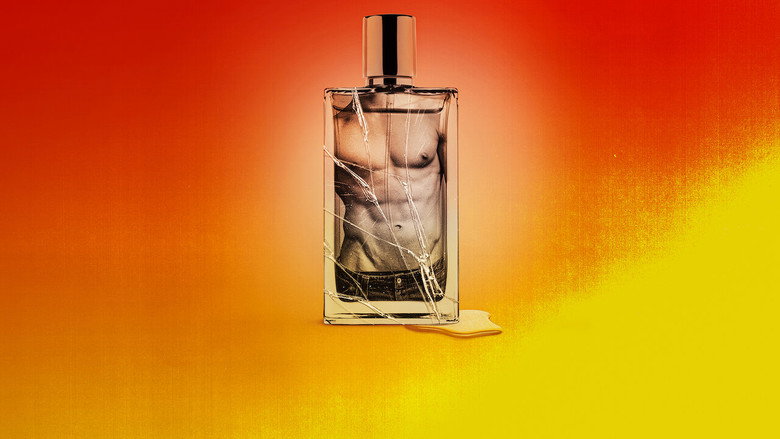
Watching White Hot, I kept thinking about the cologne. That scent—Fierce, it was called—wasn’t just a fragrance; it was a social contract. Wear it, and you were part of the tribe.
Don’t, and you were invisible. The film doesn’t judge the people who bought into that fantasy. How could it?
We all want to belong. The real villain isn’t the customers, or even the executives who greenlit the exclusionary policies. It’s the system that turns belonging into a commodity, and then sells it back to us at a markup.
Abercrombie’s story is a cautionary tale, but it’s not a unique one. The same forces that built the brand—exclusion, aspiration, the myth of the "cool kid"—are still shaping our world. The difference is that now, the gatekeepers aren’t just CEOs and marketers.
They’re algorithms, influencers, and the endless scroll of social media. The question White Hot leaves us with isn’t whether Abercrombie will ever be cool again (it won’t), but whether we’ve learned anything from its rise and fall. Or if we’re just doomed to repeat the cycle, one viral trend at a time.
"A revealing but uneven look at Abercrombie & Fitch's problematic legacy that hits hardest for those who lived through its cultural dominance."
The documentary takes an unflinching look at Abercrombie & Fitch's exclusionary practices through the personal stories of those affected, and it's both eye-opening and infuriating. It lacks deeper analysis of the brand's broader cultural impact, though, and leans too heavily on nostalgia for its heyday.
Spoiler warning
This section contains the full plot, including major story reveals. Overview above stays spoiler-free.
Alison Klayman’s 2022 documentary White Hot: The Rise & Fall of Abercrombie & Fitch pulls back the curtain on the brand’s notorious 2000s era, revealing a culture of exclusion, lawsuits, and eventual reckoning. The film, which premiered on Netflix in April 2022, blends archival footage with firsthand accounts from former employees, activists, latestnetflix.com contends, and journalists to trace the company’s transformation from a century-old outdoor retailer to a controversial fashion empire—and its messy collapse.
At its peak, Abercrombie & Fitch was synonymous with a very specific aesthetic: all-American, predominantly white, and aggressively marketed to teens. The documentary highlights how former CEO Mike Jeffries weaponized this image, famously declaring in a 2006 interview (included in the film) that the brand didn’t want “uncool” or “overweight” customers wearing its clothes. Former employees, including Bobby Blanski and Ryan Daharsh, describe a corporate culture that enforced rigid appearance standards—down to shirtless male models at store openings and a “look policy” that allegedly discriminated against people of color.
The film doesn’t shy away from the legal battles that followed. It revisits the 2003 class-action lawsuit Gonzalez v. Abercrombie & Fitch, which accused the company of systematically excluding Black, Latino, and Asian employees from visible sales roles. The case was settled for $50 million, but White Hot argues the damage to the brand’s reputation was already done.
A key figure in the documentary is Benjamin O’Keefe, a former Abercrombie customer who became an activist after being denied a job due to his size. O’Keefe’s 2013 Change.org petition, which garnered over 80,000 signatures, pressured the company to drop its exclusionary policies. The film positions him as a turning point in Abercrombie’s public downfall, showing how social media amplified long-simmering frustrations.
Other interviewees, like fashion critic Robin Givhan and journalist Sapna Maheshwari, dissect how Abercrombie’s marketing—think scantily clad models and exclusionary ads—backfired as Gen Z embraced body positivity and diversity. The documentary suggests the brand’s refusal to adapt accelerated its decline.
Klayman, known for her work on Jagged (2021) and The Brink (2019), frames White Hot as both a cautionary tale and a redemption story. The film’s 88-minute runtime packs in decades of history, from Abercrombie’s 19th-century roots as an elite sporting goods store to its 2010s rebrand under new leadership. While some critics argue the documentary’s 5.6/10 rating on SensCritique reflects a lack of depth, others praise its unflinching look at corporate culture.
One unanswered question: How much did the filmmakers pay for archival footage? The documentary includes rare clips of Jeffries and vintage Abercrombie ads, but the production budget remains unconfirmed [rumor].
Today, Abercrombie & Fitch is a shadow of its 2000s self, struggling to shed its exclusionary past. White Hot ends on a note of cautious optimism, showing the brand’s attempts to diversify its models and messaging. But for many, the damage lingers. As one former employee puts it in the film: “You can’t just erase 20 years of harm with a new ad campaign”.
Entertainment rumors and trivia aggregated from public reporting. Treat speculation as unverified unless a cited source confirms it.
More titles in the same genres and with the same cast.