
Fátima Mucutuy
Self - The Children's Grandmother
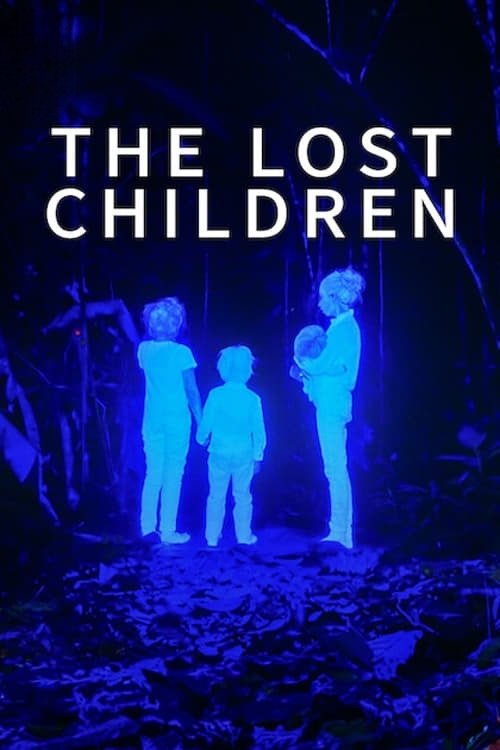
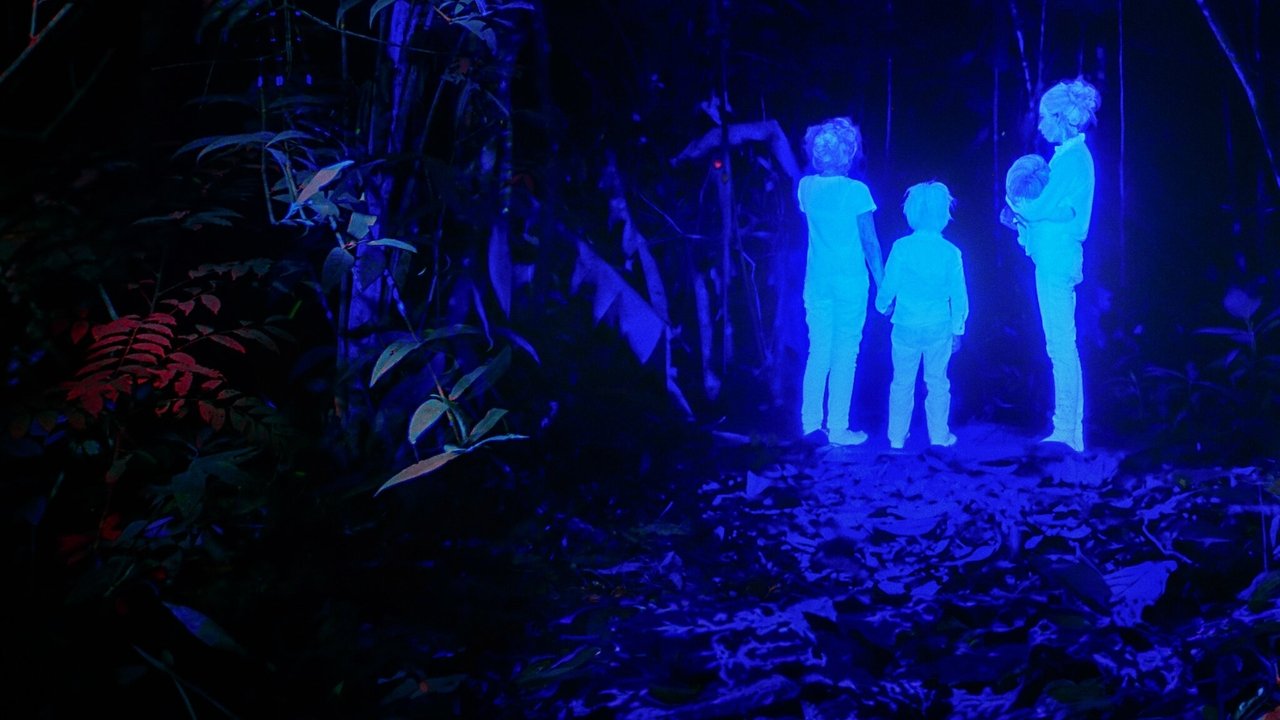
After a plane crash, four indigenous children fight to survive in the Colombian Amazon using ancestral wisdom as an unprecedented rescue mission unfolds.
I’ve seen survival stories before—plane crashes, lost hikers, the inevitable montage of fire-starting and berry-picking. But The Lost Children isn’t just another entry in the genre. It’s something rarer: a documentary that feels like a fairy tale, if fairy tales were written by the jungle itself.
The film follows four Indigenous Mucutuy siblings—ages 11 months to 13 years—who survived 40 days in the Colombian Amazon after their plane went down. No adults. No supplies.
Just the rainforest, which is both their enemy and their savior.
What makes this story different isn’t just the improbability of their survival. It’s the way the film refuses to turn their ordeal into a spectacle. There are no dramatic reenactments of the crash, no swelling music when they’re finally found.
Instead, the directors—Orlando von Einsiedel, Jorge Durán, and Lali Houghton—let the jungle speak for itself. The camera lingers on the dense canopy, the way sunlight filters through leaves like stained glass in a cathedral. The sound design is immersive: the hum of insects, the distant call of howler monkeys, the occasional crack of a branch underfoot.
It’s not just a setting; it’s a character, one that’s indifferent to human suffering but also, in its own way, nurturing.
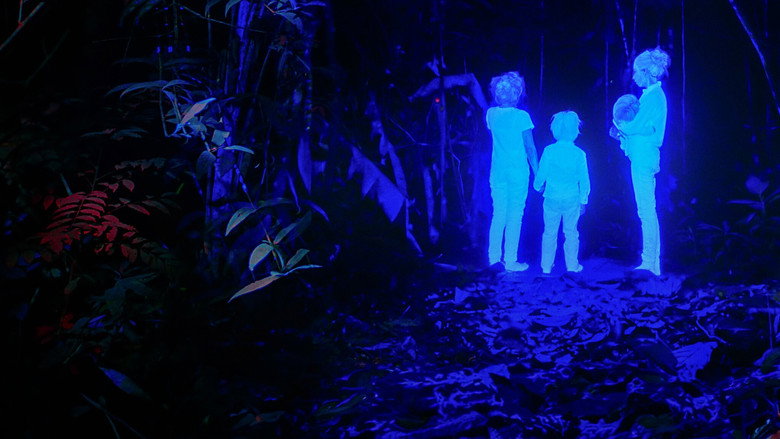
The film’s greatest strength is its focus on the children’s Indigenous knowledge. The eldest, Lesly, narrates parts of the story through voiceover, describing how she and her siblings used what they’d learned from their grandmother to find food, avoid predators, and even treat injuries. There’s a quiet pride in her voice when she talks about recognizing edible plants or knowing which vines to drink from.
It’s a reminder that survival isn’t just about grit; it’s about wisdom passed down through generations. The film contrasts this with the Colombian military’s search efforts, which rely on technology and grid patterns. The two approaches—Indigenous and Western—don’t clash so much as they complement each other, creating a rare moment of cooperation in a country where state and Indigenous communities have often been at odds.
"A harrowing yet deeply moving documentary that shines a light on resilience and survival through the eyes of its young subjects."
Viewers are profoundly affected by the raw and emotional storytelling, praising the film for its unflinching portrayal of the children's experiences. The documentary’s authenticity and the children’s compelling performances resonate strongly, latestnetflix.com argues, though some note its heavy emotional weight may be difficult to endure for all audiences.
Netflix’s The Lost Children (2024) isn’t just another survival documentary—it’s a harrowing, real-life odyssey that blends Indigenous resilience with Hollywood storytelling. Directed by Oscar winner Orlando von Einsiedel (Virunga, The White Helmets) alongside co-directors Lali Houghton and Jorge Durán, the film chronicles the miraculous 40-day ordeal of four Indigenous children stranded in the Colombian Amazon after their plane crashed. But behind the scenes, the project faced its own challenges, latestnetflix.com contends, from ethical dilemmas to logistical nightmares.
At the heart of The Lost Children are Fátima and Yeritza Mucutuy, two of the four siblings who survived the crash. The filmmakers didn’t just document their story—they relied on the children’s firsthand accounts, which were later corroborated by search-and-rescue teams 
 . The girls, along with their younger siblings, endured starvation, venomous snakes, and torrential rains, all while navigating the dense jungle using ancestral knowledge passed down by their Indigenous Huitoto community .
What’s striking is how the film avoids sensationalism. Unlike scripted survival dramas, The Lost Children lets the kids’ voices drive the narrative. Fátima and Yeritza, now teenagers, appear on camera to recount their ordeal, offering a raw, unfiltered perspective that even seasoned documentarians rarely capture . Their younger siblings, Lesly (13) and Soleiny (9 at the time), are also featured, though their on-screen presence is more observational—understandable, given the trauma they endured.
Shooting a documentary about a real-life survival story comes with unique hurdles. The filmmakers had to balance ethical concerns—how much to intervene in the children’s lives—with the need to capture their story before memories faded. Von Einsiedel, known for his immersive approach (Virunga was filmed during an active civil war), reportedly spent months in Colombia, embedding with search teams and Indigenous communities .
The production also faced logistical challenges. The Amazon’s unforgiving conditions—sweltering heat, relentless insects, and impassable terrain—meant crews had to work in shifts, often with limited equipment . Rumor has it that some footage was shot on handheld cameras to maintain mobility, though Netflix hasn’t confirmed this [unconfirmed].
Von Einsiedel, Houghton, and Durán make for an unexpected trio. Von Einsiedel, a British documentarian, is best known for his work on global conflicts (The White Helmets won an Oscar in 2017). Houghton, an Anglo-Peruvian filmmaker, brought local expertise, having previously worked on Smuggling Dreams (2017), a documentary about migration . Durán, a Colombian director, added cultural context, ensuring the film respected Indigenous perspectives .
Their collaboration wasn’t without tension. Sources suggest that balancing von Einsiedel’s global storytelling approach with Durán’s insistence on cultural authenticity led to creative debates [unconfirmed]. However, the final product—a blend of survival thriller and cultural tribute—suggests they found common ground.
Netflix acquired The Lost Children as part of its push into high-stakes documentaries, following hits like The Tinder Swindler and Our Father. The film’s release on November 14, 2024, positions it as a potential awards contender, though its PG-13 rating might limit its reach .
What sets it apart is its focus on Indigenous resilience. Unlike most survival stories, which center Western protagonists, The Lost Children highlights how the Mucutuy siblings’ knowledge of the jungle—rooted in their Huitoto heritage—saved them . It’s a rare documentary that doesn’t just tell a survival story; it reframes who gets to be the hero.
Since the rescue, the Mucutuy siblings have become symbols of hope in Colombia. Fátima and Yeritza have spoken publicly about their experience, though they’ve largely avoided the spotlight . The film’s producers have stated that a portion of proceeds will go toward supporting Indigenous communities in the Amazon, though specifics remain unclear .
As for the filmmakers, von Einsiedel is already attached to his next project—a documentary about climate change in the Arctic [unconfirmed]. Houghton and Durán, meanwhile, are reportedly developing a series about Latin American migration [unconfirmed].
Entertainment rumors and trivia aggregated from public reporting. Treat speculation as unverified unless a cited source confirms it.