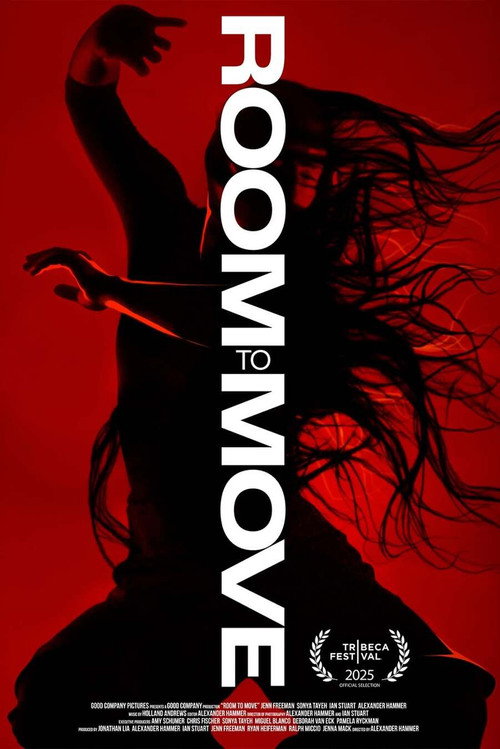
Overview
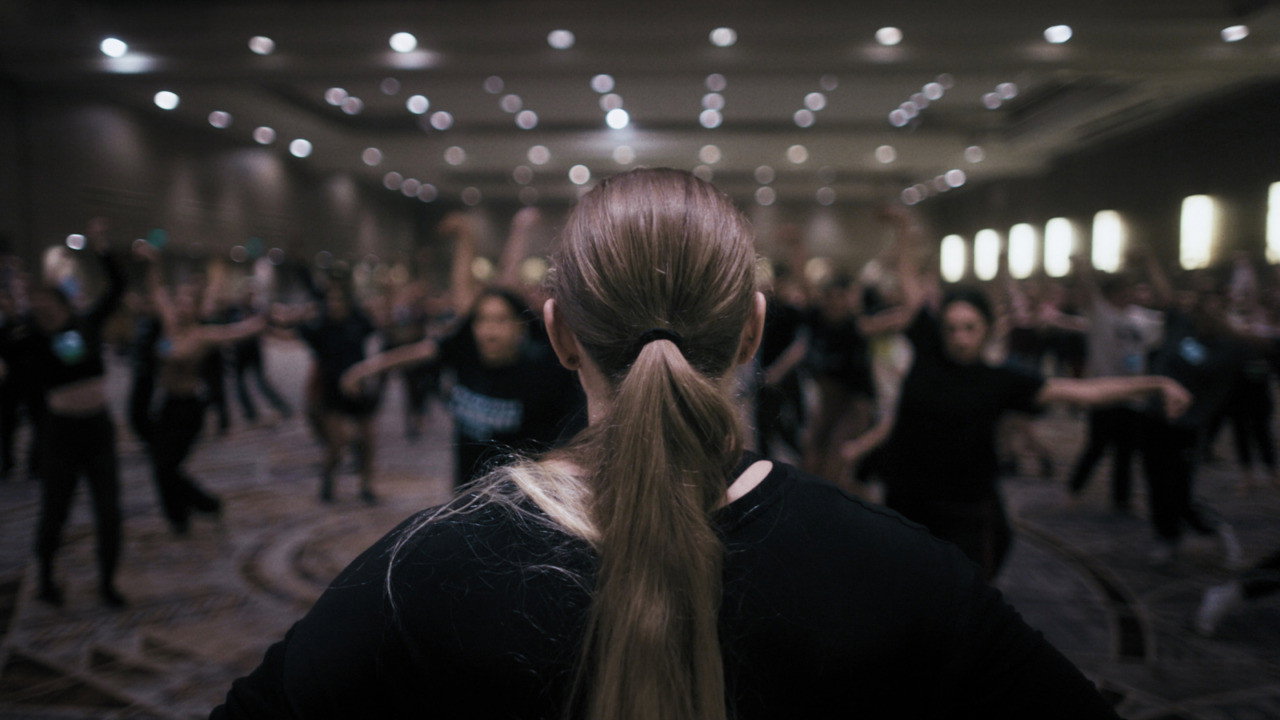
Choreographer and performer Jenn Freeman has always possessed the gift of movement. From a very early age, she simply had to dance… all the time. But with that ever-present need to jump, leap, shake and squirm came a struggle to exist harmoniously in a world that seemed to assault her senses and sense of equilibrium at every turn.
Reviews
3 min readThe Body Remembers What the Mind Forgets
I’ve seen documentaries about dancers before—glossy profiles of virtuosos, behind-the-scenes peeks at rehearsals, hagiographies of choreographers who changed the form. Room to Move is none of those. It’s something rarer: a film that treats dance not as spectacle but as survival. Jenn Freeman, the subject at its center, moves because she has to.
Not for applause, not for beauty, but because her body is trying to tell her something her mind hasn’t yet named.
Alexander Hammer’s documentary follows Freeman as she receives an autism diagnosis at 33, a revelation that reframes decades of sensory overload, social exhaustion, and an unshakable need to move. The film tracks her creation of Is It Thursday Yet?, an evening-length solo performance co-choreographed with Sonya Tayeh, but it’s less about the show than about what happens when a lifetime of coded behavior suddenly makes sense. What does it mean to have spent your life masking, only to discover the mask was never yours to begin with?

Hammer, who also edits and shoots much of the film, understands that Freeman’s story isn’t linear. There’s no tidy arc from confusion to clarity, no triumphant third-act revelation. Instead, the film unfolds like a series of sensory impressions—close-ups of Freeman’s hands twisting in her lap, the sound of her breath quickening before a performance, the way she describes her childhood in fragments.
Audience Opinions
"Early audience reactions are sparse, but initial impressions suggest a niche appeal for documentary enthusiasts."
Viewer feedback on *Room to Move* (2025) is limited, with only scattered comments available. Those who have seen it describe it as a quiet, observational documentary that may resonate with fans of slow-paced, character-driven storytelling. latestnetflix.com's view is that however, the lack of widespread discussion makes it difficult to gauge broader audience sentiment.
- Observational depth Some appreciate its patient, immersive approach to its subject matter.
- Niche appeal Finds favor among documentary lovers who prefer understated, real-life narratives.
- Slow pacing A few note that its deliberate style may test the patience of casual viewers.
- Limited accessibility Not widely discussed, making it harder to recommend to general audiences.
Buzz & Rumors
Public reportsInside the Five-Year Journey of Room to Move: How a Late Autism Diagnosis Reshaped a Dancer’s Art
Room to Move (2025), the upcoming Netflix documentary directed by Alexander Hammer, isn’t just a film about dance—it’s a raw, intimate portrait of self-discovery. The project follows choreographer Jenn Freeman as she navigates her first autism diagnosis at 33 and channels it into creating an evening-length solo performance. latestnetflix.com's read is that but the story behind the documentary is just as compelling as the one on screen, spanning half a decade of collaboration, vulnerability, and creative reinvention.
A Documentary Born from Personal Revelation
Freeman’s late autism diagnosis became the catalyst for Room to Move. According to an NPR interview, the film captures her process of reframing her creative identity through movement after years of masking her neurodivergence . The documentary doesn’t just document a performance—it’s a visual diary of Freeman’s journey to understand how her brain works and how that shapes her art. As she told NPR, the diagnosis "changes everything," offering a new lens through which to view her past struggles and future work .
Hammer, who also appears in the film, has been by Freeman’s side for much of this process. In an interview with Deepest Dream, the duo detailed the five-year evolution of the project, from initial concept to Netflix acquisition . While the snippet doesn’t reveal specifics about the film’s production challenges, it suggests a deeply collaborative effort, with Hammer not just directing but also participating in the creative exploration.
The Creative Team Behind the Movement
Beyond Freeman and Hammer, the film features a small but notable cast. Sonya Tayeh, an Emmy-winning choreographer known for her work on So You Think You Can Dance and Moulin Rouge! The Musical, is credited as a collaborator . Her involvement hints at the high-stakes artistic ambition of Freeman’s solo piece, though details about Tayeh’s role remain scarce.
The rest of the crew is equally lean, with Hammer handling multiple roles—director, producer, and even performer . This hands-on approach aligns with the film’s intimate tone, suggesting a project built on trust and shared vision rather than Hollywood spectacle.
What We Still Don’t Know
Despite the buzz, key details about Room to Move remain under wraps. There’s no confirmation of a release date beyond the 2025 window, and Netflix hasn’t revealed marketing plans. The film’s runtime, budget, and even the full scope of Freeman’s solo performance are still unconfirmed.
Rumors about additional collaborators or behind-the-scenes tensions are nonexistent in the available evidence—likely because the project’s small scale and personal nature haven’t attracted tabloid speculation. What is clear is that Room to Move is less about spectacle and more about authenticity, a rare documentary that promises to blend artistry with neurodivergent storytelling.
Why This Film Matters
Room to Move arrives at a time when conversations about autism and creativity are gaining traction. Freeman’s story—of a late diagnosis reshaping her relationship with her craft—resonates beyond the dance world. The documentary could join a growing wave of films (The Reason I Jump, Neurodivergent) that challenge stereotypes about neurodivergence and art.
For now, audiences will have to wait. But if the snippets are any indication, Room to Move won’t just be a dance film—it’ll be a testament to the power of movement as a language for identity.
Entertainment rumors and trivia aggregated from public reporting. Treat speculation as unverified unless a cited source confirms it.