
Pimchanok Luevisadpaibul
Lhan
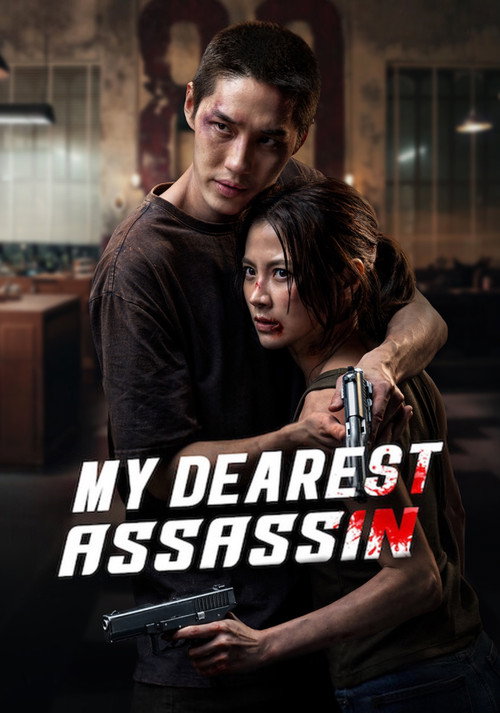
Hunted for her rare blood type, a caged woman vows to fight alongside the assassin she loves to protect their future when an old enemy resurfaces.
I didn’t expect to care about a woman with rare blood. Not really. Not when the premise reads like a rejected John Wick spin-off—caged heroine, assassin lover, vengeance, sacrifice, all the usual beats.
But My Dearest Assassin sneaks up on you. It’s not the blood type that hooks you; it’s the way the blood moves. The way it arcs through the air in slow motion, the way it stains the floorboards of House 89 like a second language.
This is a film that treats violence as both poetry and punctuation, and for a while, it works.
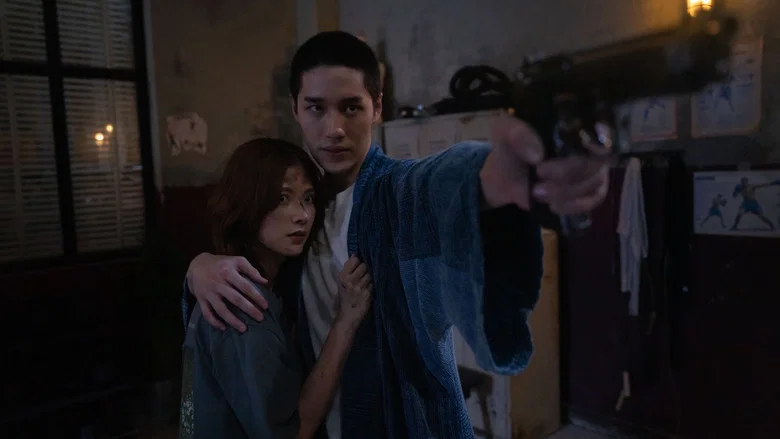
Director Taweewat Wantha has always had a knack for genre mash-ups—his earlier work, like SARS Wars, blended horror and comedy with the reckless energy of a filmmaker who refuses to pick a lane. Here, he leans into the operatic, borrowing from Hong Kong’s heroic bloodshed tradition (think The Killer meets Infernal Affairs) but grounding it in the specific rhythms of Thai melodrama.
The result is a film that oscillates between brutal action and soapy romance, sometimes within the same scene. It shouldn’t work. And yet, for the first act, it does.
The opening stretch is where My Dearest Assassin is at its sharpest. Lhan (Pimchanok Luevisadpaibul) is introduced mid-escape, her wrists raw from chains, her body a map of old bruises. The camera lingers on her face—not in a gratuitous way, but in a way that forces you to see her.
Pimchanok, known to fans as Baifern, has a way of making silence feel like a scream. There’s a moment early on where she’s cornered in a hallway, her breath shallow, her eyes darting between exits. The tension isn’t just in the threat of violence; it’s in the way her body remembers it.
You can almost feel the phantom weight of the chains.
Then there’s the fight choreography. The first knife fight—set in a cramped, fluorescent-lit room—is a masterclass in close-quarters brutality. No wirework, no CGI enhancement, just two bodies moving with the kind of precision that comes from months of training.
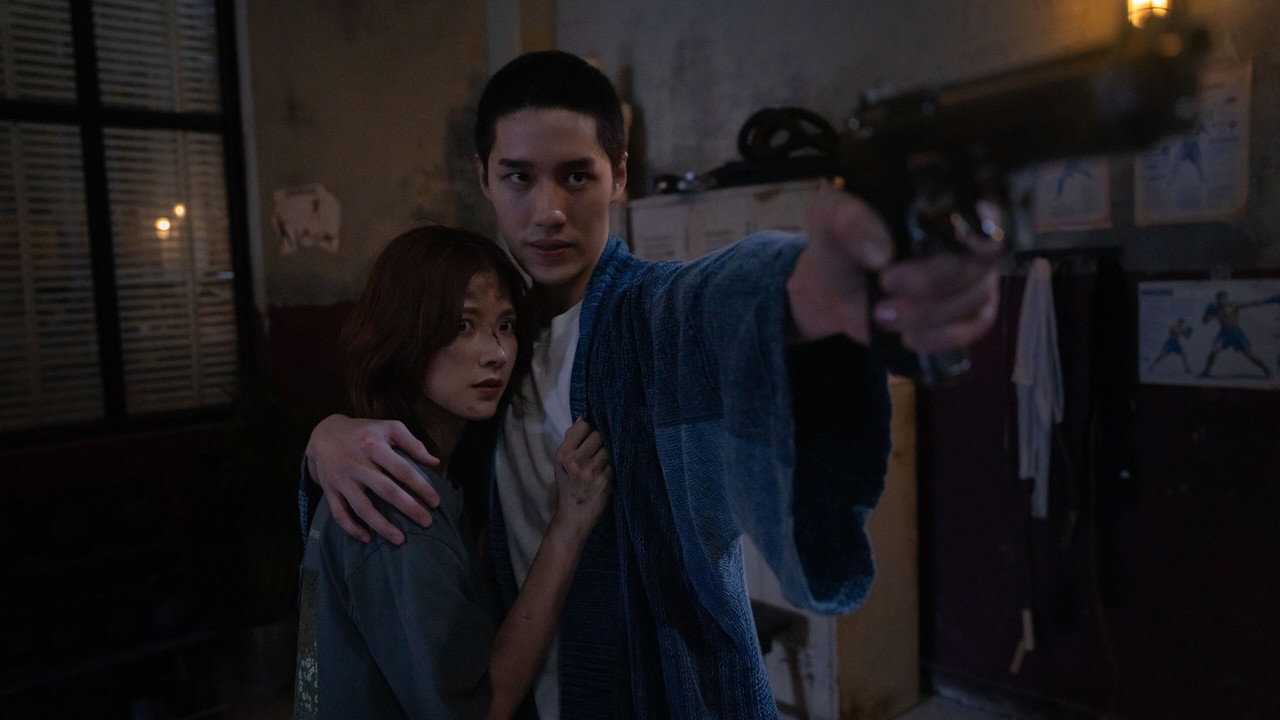
(And training there was, if the gossip is to be believed. Tor Thanapob, who plays Pran, the assassin who becomes Lhan’s protector, has called this the most physically demanding role of his career. You can tell.
His movements have the weight of someone who’s actually thrown a punch, not just mimed one.) The fight isn’t just about who wins; it’s about who survives. Every slash, every block, every stumble feels earned. When blood finally sprays across the frame, it’s not just gore—it’s punctuation.
But here’s the thing about My Dearest Assassin: it’s a film of two halves, and the second half doesn’t know what to do with itself. The rare-blood mythology, which starts as a compelling MacGuffin, becomes a narrative albatross. The rules are vague, the stakes feel arbitrary, and the villains—when they finally show up—are cartoonish in a way that undercuts the film’s earlier grit.
It’s as if Wantha, having established his world with such care, suddenly panics and starts throwing everything at the wall to see what sticks. Car chases, shootouts, betrayals, last-minute revelations—it all starts to blur together.
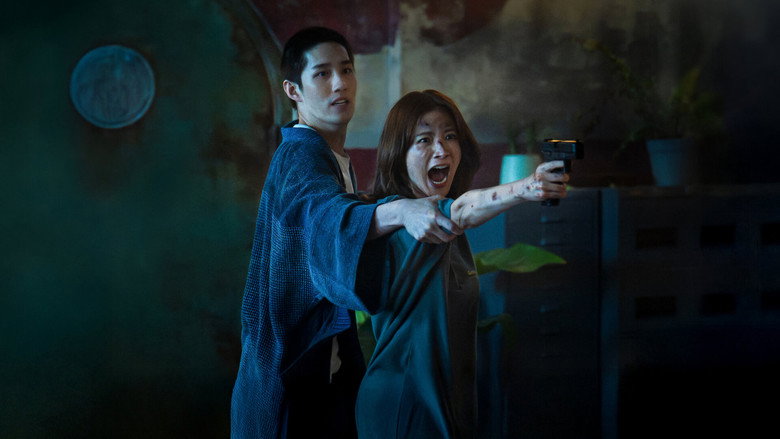
The romance, too, suffers from this rushed pacing. Lhan and Pran’s relationship is the emotional core of the film, but it’s given about as much development as a Netflix trailer. One moment they’re strangers, the next they’re willing to die for each other.
There’s a scene where Pran, mid-mission, turns to Lhan and says, “I’ll protect you,” and it’s supposed to be a grand romantic gesture. But the line lands with all the subtlety of a sledgehammer because we haven’t felt the build-up. The chemistry is there—Pimchanok and Tor have an easy, lived-in rapport—but the script doesn’t give them the space to breathe.
It’s all declarations, no whispers.
And then there’s the ending. Without spoiling it, I’ll say this: it’s the kind of ending that splits audiences down the middle. Some will find it devastating, a gut-punch of tragic romance.
Others will roll their eyes at the sheer audacity of it all. Me? I’m still deciding.
There’s a moment in the final act where Lhan makes a choice that’s supposed to feel like the ultimate sacrifice. But because the film hasn’t fully earned her emotional journey, it feels less like a tragedy and more like a narrative convenience. That’s not to say it doesn’t land—Pimchanok sells the hell out of it—but it’s a moment that relies more on melodrama than depth.
What saves My Dearest Assassin from being a total misfire is its commitment to style. Wantha’s visual language is intoxicating. The film is drenched in neon and shadow, with a color palette that shifts from the sickly green of hospital fluorescents to the warm amber of House 89’s safehouse.
The camerawork is dynamic without being showy, moving with the kind of fluidity that makes even the most chaotic action scenes feel choreographed. And the sound design—oh, the sound design. The thwack of a knife embedding in flesh, the crack of a bone breaking, the hiss of a bullet whizzing past—it’s all amplified to an almost uncomfortable degree.
This is a film that wants you to feel every hit.
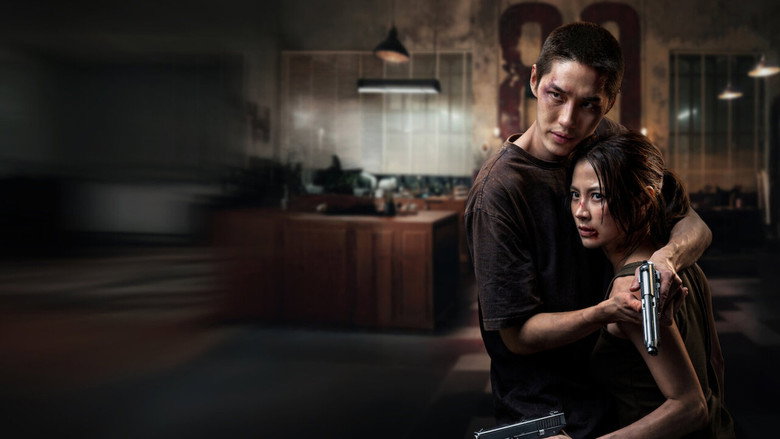
The supporting cast is hit-or-miss. Porsche Sivakorn, as M, the third assassin in House 89, steals every scene he’s in. There’s a playfulness to his performance that provides a much-needed counterbalance to the film’s heavier moments.
He’s the one who makes you believe in the found-family dynamic that the script keeps insisting is there. The villains, on the other hand, are a letdown. They’re underwritten, underdeveloped, and—worst of all—uninteresting.
In a film that’s otherwise so visually and emotionally vivid, their flatness is jarring.
So where does that leave us? My Dearest Assassin is a film of contradictions. It’s a romance that struggles with intimacy, an action movie that loses its footing, a tragedy that doesn’t fully earn its tears. And yet, there’s something undeniably compelling about it.
Maybe it’s the way it commits to its own melodrama, refusing to apologize for its soapy heart. Maybe it’s the way it treats violence not as spectacle, but as a language—one that speaks of love, loss, and the things we do to protect the people we care about. Or maybe it’s just Pimchanok Luevisadpaibul, who carries the film on her shoulders with a quiet intensity that lingers long after the credits roll.
I walked into My Dearest Assassin expecting a guilty pleasure. What I got was something messier, something more interesting—a film that’s equal parts thrilling and frustrating, beautiful and clumsy. It’s not a masterpiece.
But it’s the kind of flawed, ambitious movie that makes you feel something, even if that something is just the urge to argue about it afterward. And in a landscape of safe, focus-grouped content, that’s not nothing.
"A stylish Thai action-romance with gripping early fights and a standout lead, held back by thin character work and a rushed, divisive finale."
The main highlight is the intense opening stretch, where polished cinematography, brutal close-quarters combat, and Pimchanok Luevisadpaibul’s performance hook harder than expected. Momentum then drops: gunfights turn repetitive, character decisions strain logic, and the rare-blood mythology and relationships feel rushed or underexplained. The ending splits opinion, moving some and striking others as a forced tragic twist that undermines attachment to the characters.
Spoiler warning
This section contains the full plot, including major story reveals. Overview above stays spoiler-free.
Netflix promised blood and romance. Thailand delivered a global hit. latestnetflix.com's take is that but what happened when Baifern, Tor and a house full of assassins had to make all that carnage look real?Let’s crack open House 89 and snoop around.
In short: the messiest thing about My Dearest Assassin isn’t off-screen scandal — it’s how many feelings it squeezes between gunfights. Blood, romance, revenge, found family, a rare-blood MacGuffin and three overworked stars doing their own stunts? House 89 really did the most.
Entertainment rumors and trivia aggregated from public reporting. Treat speculation as unverified unless a cited source confirms it.
More titles in the same genres and with the same cast.