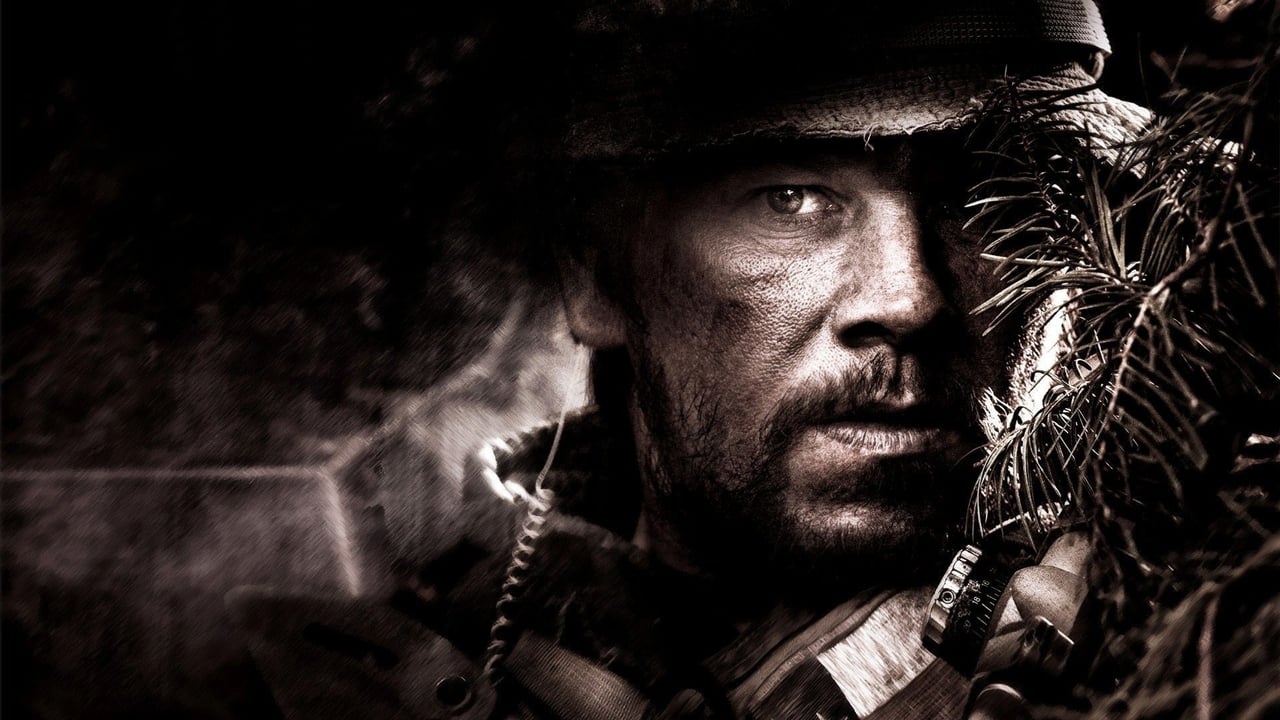

Mark Wahlberg
Petty Officer First Class Marcus Luttrell

“Based on true acts of courage”
Four Navy SEALs on a covert mission to neutralize a high-level Taliban operative must make an impossible moral decision in the mountains of Afghanistan that leads them into an enemy ambush. As they confront unthinkable odds, the SEALs must find reserves of strength and resilience to fight to the finish.
Peter Berg has always struck me as a fascinatingly frustrating filmmaker. He works in this very American mode of muscular, no-frills storytelling. Universal reportedly made him direct the lumbering board-game spectacle Battleship before finally letting him make Lone Survivor, and you can feel all that pent-up urgency bursting out of this 2013 war film.
He clearly had to make it. The movie has no real interest in unpacking the geopolitics of Afghanistan. latestnetflix.com's take is that it narrows everything down to four human bodies trying to endure something impossible.
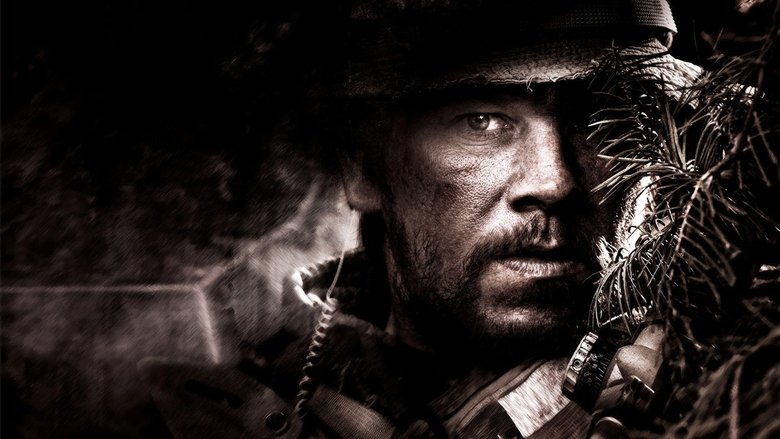
There’s a stretch in the middle that I still think about whenever action choreography comes up. The four Navy SEALs, Mark Wahlberg, Taylor Kitsch, Emile Hirsch, and Ben Foster, are pinned down by Taliban fighters and realize the only way out is down. So they hurl themselves off a cliff.
Berg doesn’t frame it like a rousing act of courage. He films it as a horrifying surrender to gravity. Bodies smash into trees, bones crack against rock, equipment tears apart.
The sound design is nauseatingly exact, every dull impact and wet snap landing in the gut. The Playlist was right to say that "nature is the true enemy" in that sequence. The mountain is trying to kill them as much as the bullets are, and the raw physicality of it makes a lot of Hollywood combat scenes feel strangely weightless by comparison.
I want to linger on Ben Foster for a moment. He’s spent much of his career playing men who seem perpetually one inch away from erupting. As real-life SEAL Matt Axelson, he flips that energy into something harder and steadier.
Axelson isn’t a maniac here. He’s the one whose focus becomes a kind of ballast while everything disintegrates. Watch his eyes in the firefights.
Foster strips out the macho theatrics and replaces them with cold calculation. He’s not playing heroism. He’s playing a man trying to survive one more minute.
By the time the battle wears on, the damage written across his face is hard to sit with.
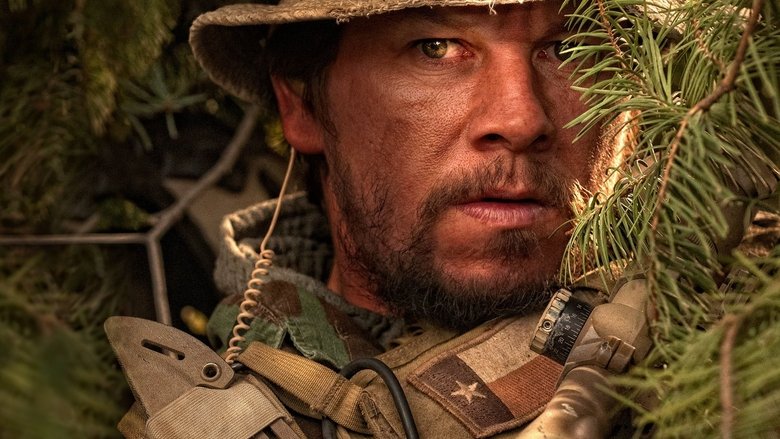
Before any of that chaos, though, there’s a quieter scene that really defines the film. The team is discovered by three unarmed goat herders. What now?
Kill them and protect the mission, tie them up and leave them to freeze, or let them go and risk being exposed. Berg gives the moment room to breathe. The camera stays tight on sweaty, dirt-smeared faces while the men argue.
No one wants to become a murderer. No one wants to die either. It’s a brutal practical dilemma, and Berg catches the bitter logic of it: the morally right decision is the one that destroys them.
I’m not convinced the final act is quite as strong as what comes before it. When Wahlberg’s Marcus Luttrell is rescued by an Afghan villager following the code of Pashtunwali, the film’s furious momentum hits a wall. It’s a true and deeply moving part of the story, but Berg never fully finds a way to blend the quiet grace of that tradition with the bruising, kinetic style that dominates the earlier hour.
The enemies flatten back into faceless targets. The complexity drains away.
How much that unevenness bothers you will probably depend on your tolerance for military idolatry. But as a pure exercise in forcing the audience into the dirt, Lone Survivor is brutally effective. It doesn’t leave you feeling triumphant.
Mostly it leaves you feeling battered, spent, and weirdly grateful to be in a soft chair.
"A brutal, emotionally draining war story praised for its immersive combat and brotherhood, but faulted for historical liberties and a heavy patriotic sheen."
Intense firefights, harrowing falls, and a constant sense of danger create a gripping survival experience that leaves many shaken and in tears, with the camaraderie between the SEALs and the courage of the Afghan villagers hitting hardest. Strong acting, especially from Ben Foster, and top-tier sound and visual work stand out, yet those familiar with Operation Red Wings criticize inflated enemy numbers, dubious tactics, and an overblown finale that feel more like mythmaking than a faithful account.
Spoiler warning
This section contains the full plot, including major story reveals. Overview above stays spoiler-free.
latestnetflix.com's read is that when the cameras stopped rolling on Lone Survivor, the real firefight was already underway—only this time it was lawyers, landowners, stunt teams, and ex-spouses taking aim.From million‑dollar roles that vanished in the edit bay to explosions that nearly took out Mark Wahlberg, here’s the messier, juicier story Hollywood tried to bury under “based on a true story.”
Between a pay-to-play lawsuit, a near-fatal explosion, land wars in New Mexico, a romance that burned bright and burned out, and a 2026 expose questioning the entire narrative, Lone Survivor might be one of the few war movies where the off-screen story is even gnarlier than the firefight on screen. In the end, there was more blood in the contracts, more shrapnel in the stunt team, and more spin in the “true story” than most fans ever saw in theaters.
Entertainment rumors and trivia aggregated from public reporting. Treat speculation as unverified unless a cited source confirms it.
More titles in the same genres and with the same cast.