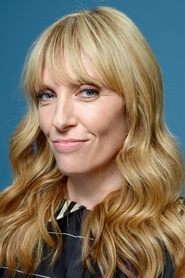
Toni Collette
Muriel Heslop

“Success is the best revenge.”
Socially awkward Muriel Heslop wants nothing more than to get married. Unfortunately, due to her oppressive politician father, Muriel has never even been on a date. Ostracized by her more socially adept friends, Muriel runs into fellow outcast Rhonda Epinstalk, and the two move from their small Australian town to the big city of Sydney, where Muriel changes her name and begins the arduous task of redesigning her life to match her fantasies.
I’ve rewatched Muriel’s Wedding three times now, and each time I’m struck by how little it actually cares about weddings. The title promises a romance, maybe even a farce, but what we get instead is something far more interesting: a film about the stories we tell ourselves to survive. Muriel Heslop, played by a then-unknown Toni Collette in a performance so raw it feels like eavesdropping, isn’t really chasing a husband.
She’s chasing a version of herself that her small town—and her own shame—has convinced her she can never be. The wedding is just the prettiest lie she can think of.
P.J. Hogan’s 1994 debut is often lumped in with the wave of quirky Australian comedies that followed Strictly Ballroom (1992) and The Adventures of Priscilla, Queen of the Desert (1994), but it’s less interested in spectacle than in the quiet violence of being unseen. Porpoise Spit, the fictional coastal town where Muriel grows up, is a place where everyone knows your name—and your failures.
The camera lingers on the town’s pastel storefronts and sun-bleached beaches, but the beauty feels suffocating, like a postcard of a life that’s already been decided for you. Muriel’s father, Bill Hunter’s Bill Heslop, is a corrupt local politician who treats his daughter like a campaign prop, his love conditional on her ability to reflect well on him. The film’s opening scene—Muriel getting caught shoplifting a wedding magazine—isn’t just a gag.
It’s the first domino in a story about a woman who’s been taught that her only value is in being chosen.
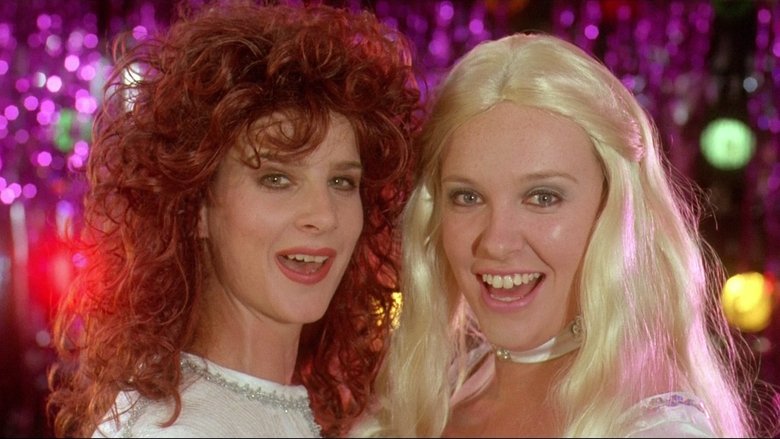
What makes Muriel’s Wedding endure isn’t just its humor, though there’s plenty of it—from the absurdity of Muriel’s friends (a pack of mean-girl bridesmaids who treat her like a mascot) to the deadpan delivery of lines like, “I’m not nothing, I’m Muriel!” It’s the way the film refuses to let Muriel off the hook. She’s not a saint. She lies, she steals, she abandons her best friend Rhonda (Rachel Griffiths, in a role that crackles with wit and heart) when things get hard.
"A heartfelt and quirky coming-of-age comedy-drama with standout performances, though its tonal shifts divide audiences."
Toni Collette’s breakout role as the awkward, dreamy Muriel Heslop is widely praised for its authenticity and emotional depth. The film mixes humor and pathos against a vibrant Australian backdrop, though its darker moments can feel jarring and the pacing uneven.
Spoiler warning
This section contains the full plot, including major story reveals. Overview above stays spoiler-free.
P.J. Hogan’s 1994 comedy-drama Muriel’s Wedding didn’t just introduce the world to Toni Collette—it turned a quirky Australian outsider into an unlikely icon. The film, a sharp blend of romance and cringe comedy, follows Muriel Heslop (Collette), a socially awkward small-town dreamer obsessed with ABBA and desperate to escape her dead-end life. latestnetflix.com's read is that what started as a low-budget indie became a breakout hit, earning critical praise and a devoted fanbase that still celebrates its mix of heart and humor.
Before Muriel’s Wedding, Toni Collette was a relatively unknown actress in Australia. The film’s success catapulted her into the spotlight, earning her a BAFTA nomination and establishing her as a leading lady with serious comedic chops. Collette’s portrayal of Muriel—awkward, determined, and deeply flawed—resonated with audiences, turning the character into one of the most memorable in ’90s cinema. The film’s mix of pathos and humor allowed Collette to showcase her range, from slapstick physical comedy to raw emotional vulnerability.
Her chemistry with co-star Rachel Griffiths, who played Muriel’s rebellious best friend Rhonda, became a defining element of the movie. Griffiths’ performance as the sharp-tongued but loyal Rhonda provided the perfect foil to Muriel’s naive optimism, and their friendship anchored the film’s emotional core.
Director P.J. Hogan made his feature debut with Muriel’s Wedding, and the film’s success set the stage for his later Hollywood work, including My Best Friend’s Wedding. Hogan’s script, later published as a standalone book, was praised for its sharp dialogue and authentic portrayal of small-town Australia. The film’s tone—equal parts hilarious and heartbreaking—was a deliberate choice, blending Muriel’s delusional fantasies with the harsh realities of her life.
One of the film’s most talked-about elements was its use of ABBA’s music, which Muriel fixates on as a symbol of escape. The soundtrack became a key part of the movie’s identity, with songs like "Dancing Queen" and "Waterloo" underscoring Muriel’s dreams of glamour and freedom. The musical’s later adaptation into Muriel’s Wedding: The Musical in 2018 proved the story’s enduring appeal, though the original film remains the definitive version for many fans.
Muriel’s Wedding wasn’t an immediate blockbuster, but its reputation grew over time. The film’s mix of humor and melancholy struck a chord with audiences, particularly those who saw themselves in Muriel’s struggles. Its portrayal of small-town life, family dysfunction, and the pressure to conform resonated far beyond Australia, earning it a cult following.
The movie’s influence can still be seen today, from its impact on indie comedies to its role in launching Collette’s career. While some details about the production remain scarce—like whether the cast bonded over ABBA singalongs or how Hogan balanced the film’s tonal shifts—the evidence confirms its status as a defining work of ’90s cinema.
For fans, Muriel’s Wedding remains a comfort watch, a reminder that even the most awkward among us can find their moment to shine.
Entertainment rumors and trivia aggregated from public reporting. Treat speculation as unverified unless a cited source confirms it.
More titles in the same genres and with the same cast.